What to Do If a Guest Won't Leave: Legal Guide
Issues at check-out? Discover what to do if a guest refuses to leave your vacation rental. Legal protocol and effective prevention. Learn more today!
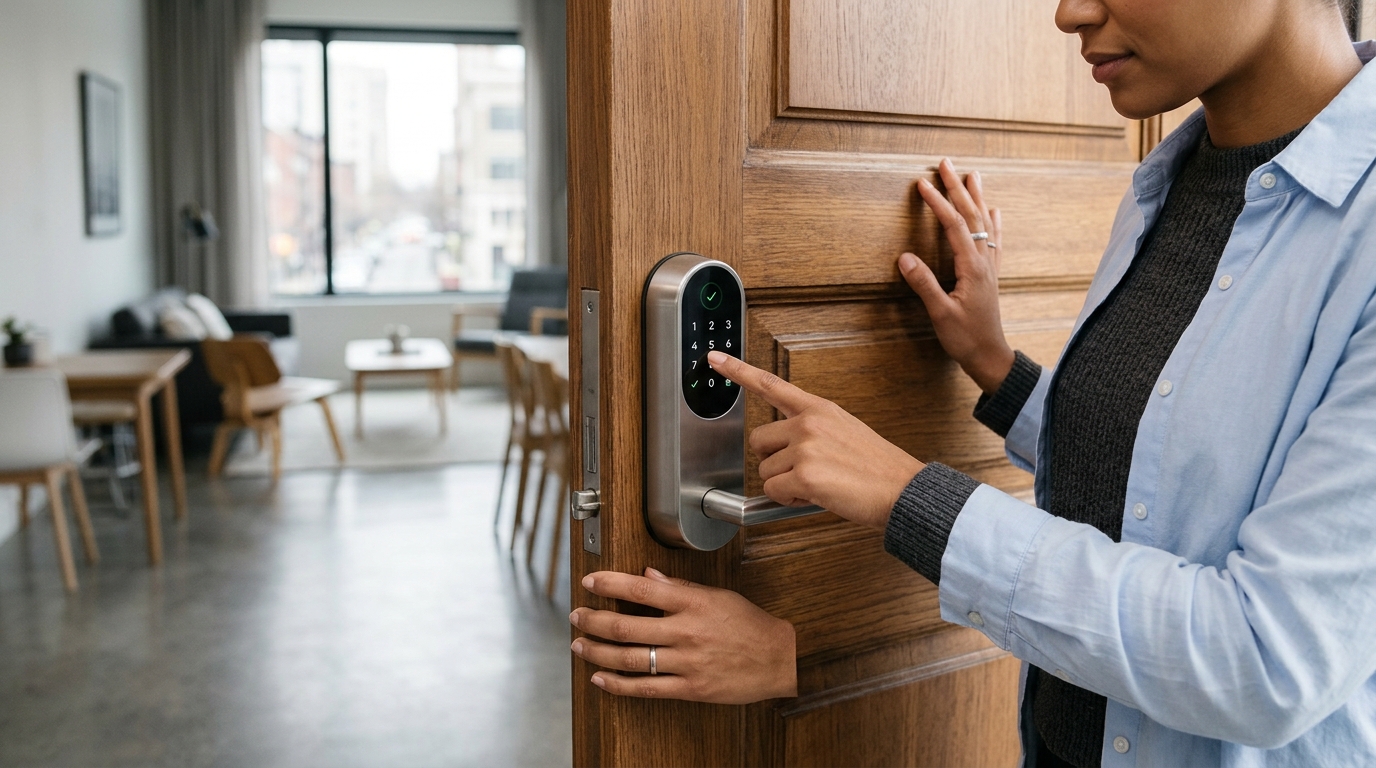
Managing vacation rentals occasionally means dealing with unexpected situations, and finding out what to do if a guest won't leave at the agreed check-out time is one of the most stressful scenarios for any host or property manager. When a visitor delays their departure without permission or shows an explicit intention not to vacate the property after their accommodation agreement has ended, acting calmly, swiftly, and within a rigorous legal framework is essential to prevent legal liabilities and avoid disrupting upcoming bookings.
Key Takeaways
- An isolated delay is usually due to a logistical oversight, but a firm refusal requires a legal protocol.
- Never cut off utilities or enter by force, as you could be charged with coercion or unlawful entry (trespassing).
- Access control enables you to revoke entry permissions remotely without physical confrontation.
- Documenting events on booking platforms and reporting the incident to the police speeds up the eviction process.
What to Do If a Guest Won't Leave: First Steps
The most common scenario of a late departure (commonly referred to as an overstay) rarely stems from deliberate fraud or squatting intentions; it is typically caused by transport issues, a canceled flight, or confusion regarding the agreed schedule. Consequently, the first step is to maintain professional, direct, and well-documented communication.
Contact them immediately through the official messaging channels of your booking platform. Inquire politely yet assertively whether they have encountered any logistical setbacks and remind them of the agreed check-out time. Keeping a written record of all communications protects your rights in the event of any subsequent disputes.
Logs as Evidence
Cloud-based access logs conclusively show when the door was last opened, providing irrefutable evidence for booking platforms and authorities without requiring physical confrontation with the guest.
Furthermore, integrating smart lock systems with complementary sensors, such as a noise monitor for holiday rentals, helps detect unusual activity patterns or unauthorized parties before they escalate into an overstay or neighbor complaints.
Prevention: How to Set Up Your Listing and House Rules
The best defense against overstays is to safeguard your terms and conditions from the moment a reservation is confirmed. Clearly outlining operational terms and the consequences of non-compliance deters opportunistic behavior before keys or access codes are handed over.

- Clear Rules State the exact check-out time and late departure penalties in your listing's house rules.
- Scheduled Reminders Send automated messages the evening before and the morning of departure with clear check-out instructions.
- Security Deposits Collect security deposits to cover emergency cleaning fees or third-party compensation if delays occur.
- Expiring Access Explicitly state that digital access codes expire precisely at the designated check-out time.
Beware of Left-Behind Belongings
Guests often vacate the property but leave their luggage behind to pick up later. Make it clear in your house rules that doing so without prior agreement is considered unauthorized occupancy.
Protect the Profitability of Your Vacation Rentals
Preventing an overstay incident from disrupting your day-to-day operations requires combining legal diligence with perimeter access technology. In 2026, remote management has become an industry standard. If you want to eliminate the risks of physical key handovers and automatically schedule expiring permissions for every booking, explore Raixer's smart locks for vacation rentals. Installing a Raixer Pro allows you to keep comprehensive control over your doors from anywhere, handling unexpected incidents with unparalleled efficiency.
Frequently Asked Questions
Can I enter the vacation rental if the guest won't leave?
You must not force the lock or enter the premises if the occupants are inside, as you could face criminal charges for coercion or trespassing. The proper legal recourse requires the presence or formal intervention of law enforcement authorities.
What should I do with luggage if the guest left but left their bags behind?
If the check-out deadline has passed and the occupants have vacated the property, you can remove their belongings after creating an itemized inventory supported by photos and witnesses. Store the items in a secure place and message the guest via the platform detailing the conditions and timeframe for retrieving them.
Does Airbnb cover financial losses resulting from an overstay?
Yes, host protection programs generally cover unauthorized stays by billing additional fees for unapproved extra nights and reimbursing reasonable expenses incurred to find alternative accommodations for incoming guests, provided that all communication logs are submitted.
Is it legal to revoke digital access on a smart lock?
It is completely legal. Digital credentials represent temporary access permissions governed by the terms of the accommodation agreement; once the contracted booking expires, terminating those credentials does not violate civil regulations, functioning under the exact same principle as hotel keycards.