Access Control for Contractors in Residential Buildings | Guide
Discover how to implement keyless access control for contractors and vendors in residential buildings. Boost property security. Learn more now!
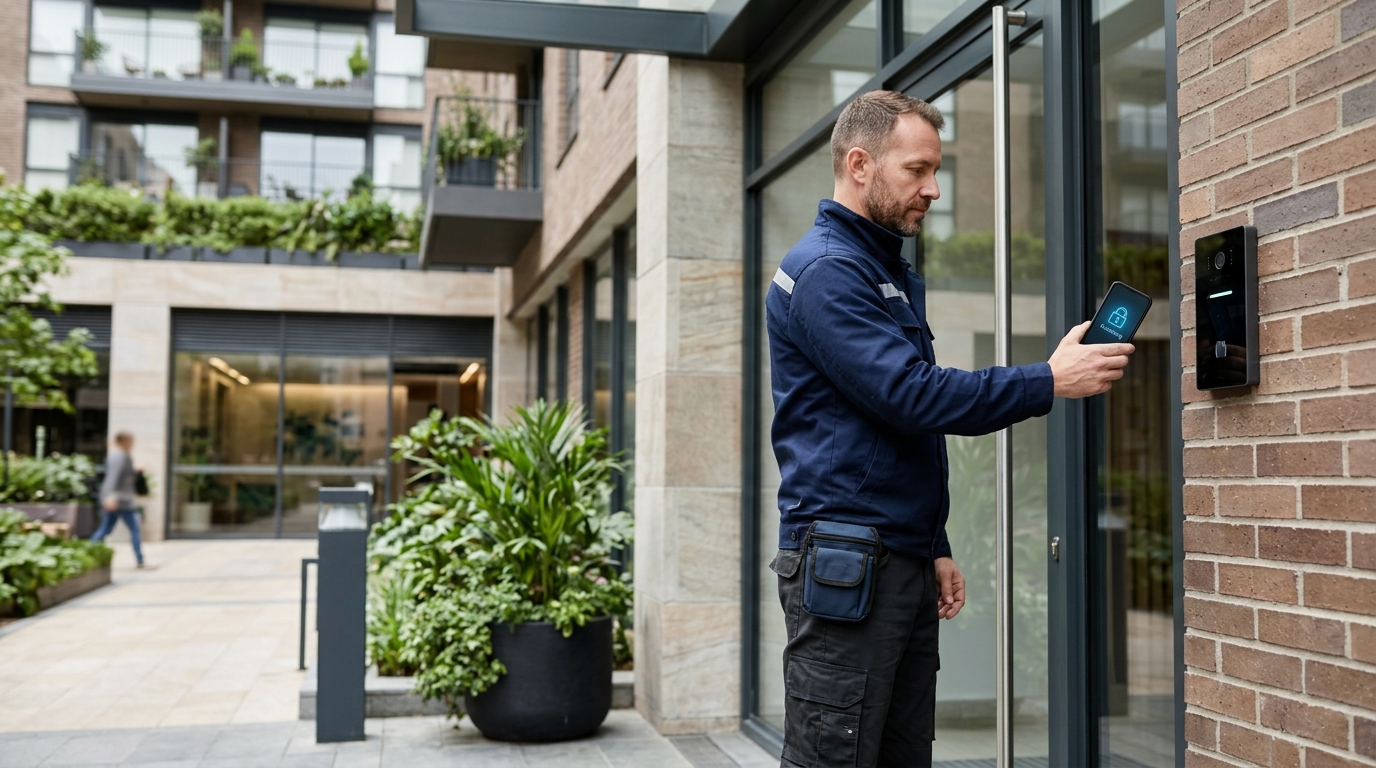
Managing access for technicians, delivery drivers, cleaning companies, and other contractors in a residential building or private estate has always been a headache for property managers and HOAs. The traditional bunch of keys held at the front desk, verbal permissions granted to residents, and uncontrolled key duplicates lead to obvious security vulnerabilities. Fortunately, today it is possible to implement an access control system for contractors and vendors in residential buildings that eliminates the need to hand out a single physical key, while maintaining a detailed, tamper-proof log of who enters and exits the premises.
Key Takeaways
- Say goodbye to shared keychains: vendor entry permissions are granted and revoked instantly right from your smartphone.
- You can assign access strictly limited by hours or days (for instance, to the elevator technician or cleaning crew).
- Keep a digital audit trail (access history) of who opens the building's main entrance, ensuring compliance with relevant regulations.
What is access control for contractors in residential buildings?
It is a comprehensive system that enables the temporary, secure, and remote management of entry permissions for the main entrance, utility rooms, or garage of a residential property. In 2026, you no longer need to hide keys under the doormat or coordinate inconvenient meeting times to let in the painter or the gas inspector. A solid access control system for service providers relies on connected devices, smart locks, and a cloud-based administration panel that centralizes all operations.
These systems go far beyond traditional CCTV installations in the lobby or foyer. They involve installing smart locks, electronic cylinders, or devices like relays wired into connected intercoms that release the latch, sliding door, or perimeter gate only for individuals holding a valid digital credential or "virtual key" on their smartphone. This communication typically takes place via wireless technologies such as Bluetooth Low Energy (BLE), Wi-Fi, or GSM. A great hardware solution for this scenario is a smart lock for apartment buildings that integrates these connections seamlessly and reliably.
Security Tip
Avoid RFID proximity key fobs (plastic badges or tags) if you truly want strict vendor control. These tags are easily handed off among subcontractor employees without property management ever knowing. Requiring technicians to use their personal or corporate smartphone guarantees far superior traceability.
Support Protocols and Incident Management
Implementing access control for external contractors requires foresight. What happens if a maintenance technician's phone battery dies right as they arrive at the building? Or what if there is unexpected staff turnover at the cleaning company and they send a replacement worker who hasn't downloaded the app?
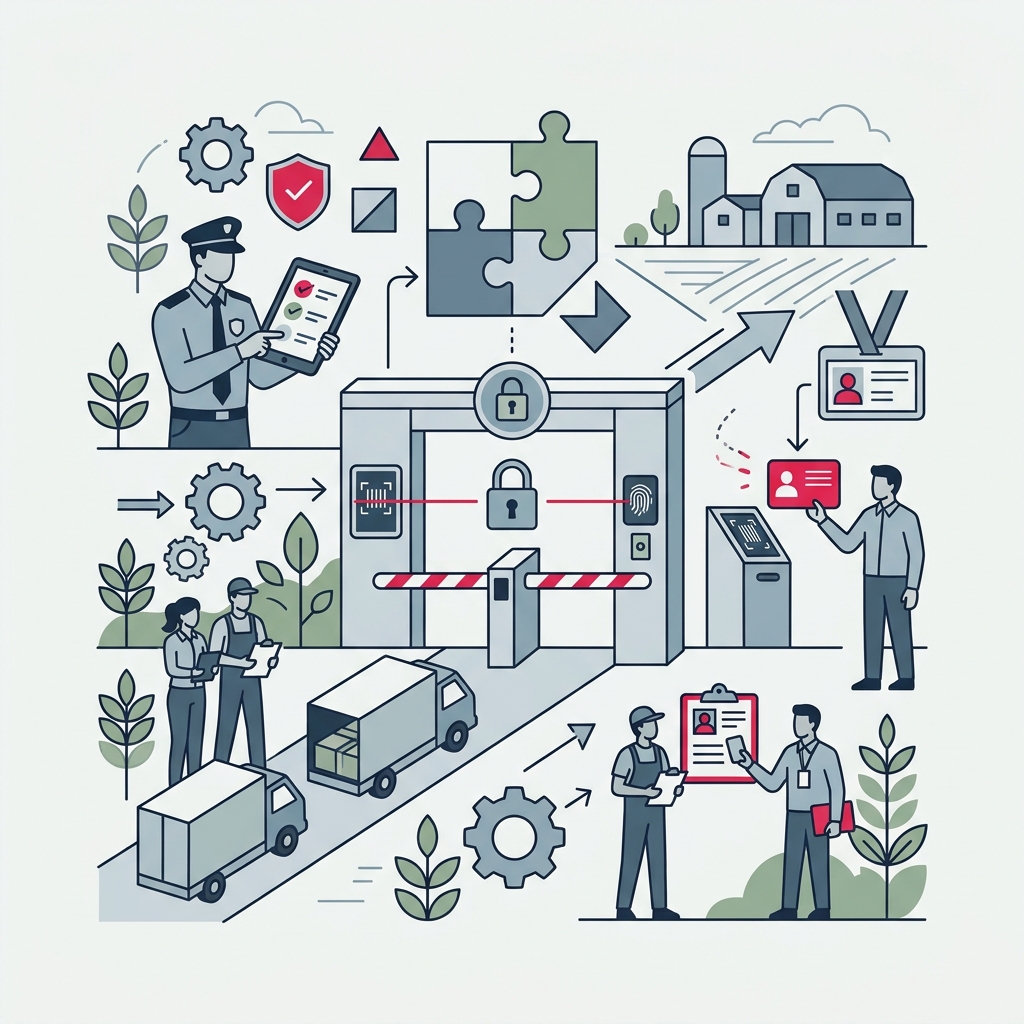
To prevent the system from becoming a bottleneck, property managers must establish clear support workflows. A recommended best practice is ensuring the central dashboard allows "emergency remote unlocking." This way, if a technician is outside the main entrance and unable to open it with their phone, they can call the property manager or concierge, who verifies their identity and clicks a button in their software to instantly release the lock remotely. Professional systems like Raixer incorporate these features into their web dashboard, ensuring no one gets locked out of the premises due to an unexpected technical hiccup.
Keep an Eye on Staff Turnover
It is vital to require service providers to immediately report any leaves of absence or dismissals of workers who held access credentials for your building. Even though you can revoke permissions in seconds, you need to know when to act to keep your security airtight.
How to Implement Contractor Access in 3 Steps
Moving from disorganized, high-risk key management to a truly professional, bulletproof setup is much faster and cleaner than most HOAs anticipate. Community regulations often require that installed systems preserve building aesthetics and allow continued use by elderly residents who prefer physical keys—and this is precisely where non-intrusive smart technology excels.
- Audit and assess critical entry points. Don't try to digitize every door at once. Start with the main entrance, the vehicle ramp (using garage access control solutions), and the most sensitive utility rooms, such as meter rooms and elevator machinery spaces.
- Choose and install the right hardware. Opt for an intelligent relay module that installs out of sight inside the existing intercom panel, or an electronic lock for interior communal doors. These solutions don't require replacing the door and won't affect the standard physical keys used by residents.
- Issue temporary credentials and provide instructions. Using the management software (via web or app), create dedicated profiles for the cleaning, landscaping, or elevator maintenance companies, setting their allowed days and working hours. Share a quick guide with external vendors so they know how to operate their new "digital key."
Long-Term Financial Impact on the Building Budget
Beyond the obvious security upgrade, vendor access control delivers a tangible, measurable economic return. Homeowners associations spend significant amounts each year on emergency locksmiths, master key copies, lock cylinder replacements following lost keys, and manual call-outs just to open doors for inspectors or insurance adjusters.
Digitizing external professional access cuts physical key duplication costs down to zero. Maintenance work becomes more efficient because contractors waste no time picking up or returning keys. Furthermore, if vandalism occurs inside a utility room, the digital access log reveals exactly who accessed the space and at what time, streamlining insurance claims and protecting residents from unjustified special assessments.
Frequently Asked Questions about Contractor Access Control
Does this eliminate traditional physical keys for residents?
No, not at all. A quality access control system for residential communities allows standard metal keys and traditional garage remotes (for residents who still prefer them) to coexist seamlessly alongside encrypted digital mobile access (for contractors, cleaners, and maintenance technicians). The installation is complementary, not exclusionary.
What happens if the building loses power or the Wi-Fi goes down?
Reliable door entry and smart lock setups incorporate multiple backup fail-safes. If the intercom panel loses power, the mechanical locking mechanism continues to function using standard keys. If the building's Wi-Fi drops, devices equipped with Bluetooth (BLE) allow proximity unlocking via the technician's smartphone without needing an active internet connection, while smart relays can operate locally to ensure critical services are never interrupted.
Is it legal to log who enters and exits communal areas?
Yes. Data protection laws permit maintaining access activity logs for legitimate security interests in common areas or restricted technical facilities. This remains fully compliant as long as private spaces are respected (e.g., cameras are not pointed inside private dwellings), proper signage informs visitors, and service agreements document that temporary access data is collected solely for managing the contracted building services.
Can I provide permanent access to the property manager?
Yes. The administrative platform allows you to configure different roles or non-expiring user profiles, which are ideal for property managers, HOA board presidents, or full-time building concierges. This differs fundamentally from the temporary access granted to an ad-hoc contractor, which can be scheduled to expire automatically at an exact date and time without requiring manual revocation.