How to Prevent Guests from Disturbing Neighbors
Learn how to prevent guests from disturbing neighbors in your vacation rental using noise monitors and access control. Protect your business today!
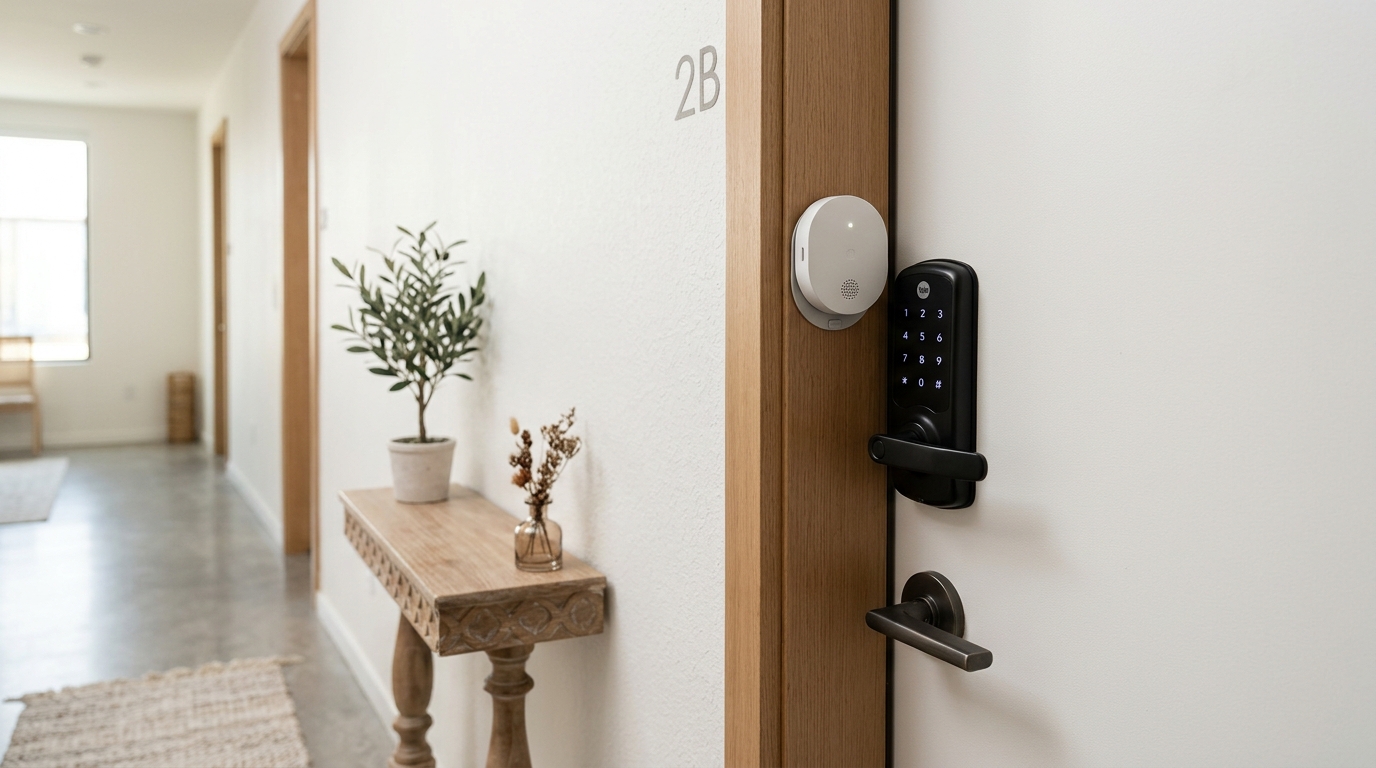
Managing vacation rentals requires a steady balance between booking profitability and maintaining peace in the building. Learning how to prevent guests from disturbing neighbors has become a crucial operational priority for any property owner or short-term rental manager looking to prevent fines, license revocations, or disputes at homeowners' association meetings.
Key Takeaways
- Real-time noise monitoring alerts you before guests exceed permitted noise thresholds.
- Controlling occupancy via digital access logs prevents unauthorized parties on the premises.
- Pairing IoT hardware with automated messaging resolves 90% of noise incidents without requiring in-person visits.
Key Strategies on How to Prevent Guests from Disturbing Neighbors
The most common friction in residential buildings with vacation rentals doesn't stem from bad intentions, but from a lack of awareness and missing technical boundaries. Guests slip into holiday mode and often forget that people are resting or working right on the other side of the wall. To nip this issue in the bud before the first formal complaint arises, active prevention far outperforms retroactive fines.
Frequencies and Protocols
Modern sensors utilize Wi-Fi, Zigbee, or sub-GHz protocols (such as 868 MHz) to deliver low power consumption, excellent range through thick walls, and instant push notifications.
Many of these devices integrate directly with property management systems (PMS), automatically triggering an SMS or WhatsApp message to the traveler when sound levels breach property thresholds. Guests usually quiet down right away, eliminating the need to dispatch a concierge or show up in person.
Access Control and Occupancy: The Ultimate Barrier Against Unauthorized Parties
Excessive noise rarely comes from a couple quietly watching TV; it is almost always the result of impromptu gatherings and unregistered visitors entering the property after a night out. Because of this, mastering how to keep guests from disturbing the neighbors requires monitoring your entry points.

Replacing traditional keys with a smart lock for vacation rentals removes the lack of control caused by key duplication or physical key handoffs. By utilizing systems that handle temporary credentials encrypted via Bluetooth Low Energy (BLE) or cloud connectivity (IP/Wi-Fi), managers know the exact moment a door opens.
- Repeated Openings Spot irregular access patterns during unusual late-night hours.
- Temporary Codes Unique access codes that expire automatically right when checkout ends.
- Remote Revocation Instantly revoke guest credentials if a severe violation is confirmed.
- Time-Stamped Auditing A verifiable activity log to confirm whether outside visitors arrived in the early morning hours.
By streamlining operations with robust access control, tech solutions like Raixer smart locks allow you to monitor entry events at both the main building gate and the apartment door. If the access log reveals 12 continuous entries within half an hour at two in the morning, property managers can intervene long before a gathering disturbs adjacent neighbors.
Strict occupancy control prevents 90% of noise issues before the first neighbor complaint is ever made.
Step-by-Step Operating Protocol to Neutralize Neighbor Disturbances
Smart hardware alone is not enough without a rapid escalation procedure. Your response time between the first noise alert and your actual intervention determines the outcome.
- Threshold configuration. Calibrate noise sensors based on daytime versus nighttime hours, taking the property's soundproofing into account.
- Automated initial alert. Once sustained noise is detected, the system sends an automated direct message asking the guest to lower the volume.
- Cross-reference with entry logs. Inspect the smart lock's activity feed to identify potential overcrowding or unauthorized guest entry.
- Direct phone call. If noise levels don't drop after 15 minutes, the support team calls the primary guest to warn them of potential penalties.
- Formal on-site intervention. In cases of outright non-compliance, on-duty personnel visit the unit or procedures tied to security deposit forfeiture are initiated.
Beware of False Complacency
An alert left unresolved for more than 30 minutes frequently leads building neighbors to contact local police. Acting swiftly is crucial.
Managing Building Community Relations: Transparency and Ground Rules
Preventing friction also requires building bridges with long-term residents in the building. A significant portion of neighbor frustration comes from feeling helpless, with nobody to turn to when a disturbance breaks out late at night.
Providing a dedicated 24/7 emergency contact line exclusively for building neighbors transforms community relations. When neighbors see that the rental unit uses certified sound monitors, keyless entry without duplicable keys, and has a responsive manager on call, common tensions surrounding vacation rentals drop dramatically.
Frequently Asked Questions
Do noise sensors record guest conversations?
No. Certified vacation rental noise monitors only measure sound pressure levels in decibels (dBA) and track frequency spectrum patterns. They never capture intelligible audio, record conversations, or process speech, ensuring strict compliance with privacy regulations like the GDPR.
How does a smart lock help detect an unauthorized party?
Electronic locks log every door opening and closing with an exact timestamp. A rapid sequence of unlock events or repeated code entries late at night indicates a high probability of unauthorized visitors and exceeding occupancy limits.
What decibel levels are considered disruptive at night?
While local municipal ordinances vary, acceptable indoor sound levels in bedrooms at night typically cap around 30–35 dBA. Smart sensors usually notify managers when sustained living room noise reaches 55–65 dBA, allowing them to step in before noise penetrates neighboring walls.
Is it legal to evict a guest who refuses to respect neighbor quiet hours?
Yes, provided your house rules and booking contract clearly prohibit parties, loud gatherings, and exceeding registered occupancy. Sensor records combined with time-stamped access logs provide indisputable evidence to defend against booking platform disputes.