Self-Guided Property Showings for Real Estate Agencies
Discover self-guided property showings for real estate agencies. Save time, automate access, and boost your sales today. Learn more now!
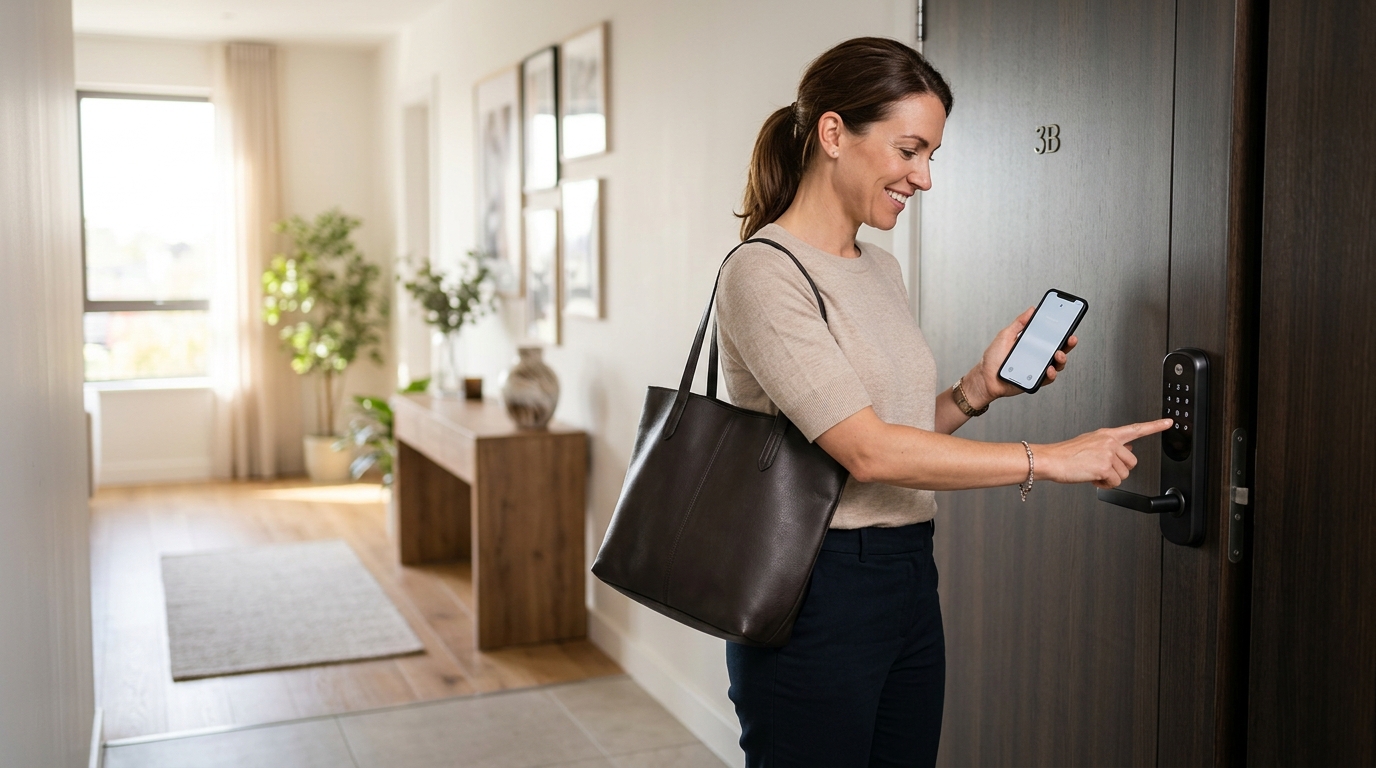
The real estate sector demands agility and rapid responses, but coordinating schedules, dealing with traffic, and wasting hours commuting to show a home remains the primary bottleneck. Self-guided property showings for real estate agencies have ceased to be a mere option and have become the operational standard of 2026. By replacing outdated keyrings with remote opening systems and temporary credentials, agencies can multiply their sales capacity, reduce operating costs, and deliver a seamless experience to both prospective tenants and buyers.
Key Takeaways
- Showing properties remotely eliminates downtime and travel expenses.
- Smart systems allow you to generate virtual keys with scheduled expiration dates.
- Complete traceability ensures you know who enters and leaves the property in real time.
Self-guided property showings for real estate agencies: the industry revolution
Historically, managing a property portfolio involved complex logistics centered on physical key custody. This traditional model not only drains financial resources, but it also limits the number of showings an agent can conduct in a single day. Implementing digital access control completely transforms this dynamic.
By outfitting properties with smart locks, real estate professionals can grant access to visitors directly from their mobile phones or by sending a temporary code. This is especially useful for vacant properties, model apartments, or during renovation projects involving multiple contractors and technical specialists.
Key Fact
Adopting smart locks in the real estate sector enables agencies to manage a significantly larger volume of properties without needing a proportional increase in their agent headcounts.
How to show rental or sale properties remotely?
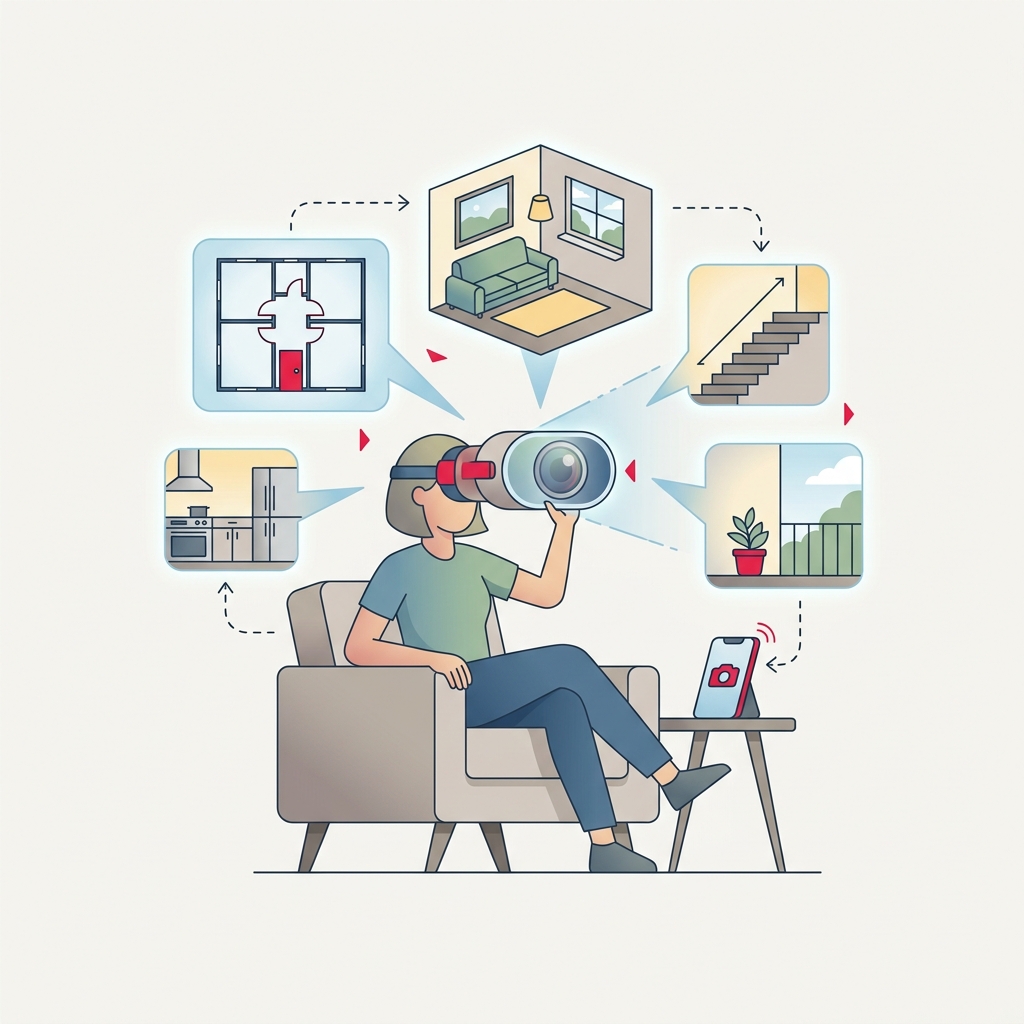
Automating property showings is straightforward when equipped with the right technology. Modern solutions integrate directly with the building's intercom system and the apartment's main door, allowing both to be operated securely and in sync. The typical workflow is structured as follows:
Structural benefits of adopting this technology
Leaving physical key dependence behind translates not only into convenience, but also positively impacts agency profit margins. Centrally managing multiple geographically dispersed assets demands tools designed to scale.
- Time savings Eliminate hours lost in traffic jams and waiting outside building entryways.
- Total traceability The digital activity log records the date, time, and user of every opening or access attempt.
- No more lost keys Digital credentials cannot be copied fraudulently, misplaced, or stolen by third parties.
- Faster renovations Grant hassle-free access to painters, plumbers, or electricians without requiring an agent to travel on-site to unlock the door.
The technology behind remote openings in 2026
For the system to run reliably, the technical infrastructure must be robust. Today's devices leverage Wi-Fi connectivity, Bluetooth Low Energy (BLE), and home automation protocols like Zigbee, Z-Wave, or the Matter standard, ensuring clean integrations and broad compatibility.
When a developer or agency installs a lock for real estate and renovations, they look for dependable hardware that avoids replacing the original cylinder whenever possible. Advanced devices like the Raixer Pro connect electronics directly to the intercom and electric door strike, keeping the building's aesthetic intact and operating reliably in the background—even via cellular connectivity or radio frequency (868MHz) in areas with poor network coverage.
Invisible Installation
Be sure to select systems that integrate inside the door frame or within the intercom unit itself. This avoids disputes with neighbors over aesthetic alterations in communal hallways.
Security against traditional risks
A longstanding hesitation among traditional agencies has been the fear of relinquishing physical control over a property. However, a digital key is mathematically more secure than a physical one. A traditional mechanical key can be molded or duplicated at any hardware store without leaving a trace. A digital credential, by contrast, expires at the exact programmed minute.
Security no longer depends on the weight of metal in your pocket, but on the intelligence of the software controlling the door.
Furthermore, because access can be revoked immediately from a cloud-based dashboard, the agency can react instantly to any anomaly. This ensures the property remains protected against unauthorized intrusions or unlawful occupation during turnover periods between tenants.
Frequently asked questions
What happens if the property has no internet connection?
A lack of Wi-Fi in vacant apartments is common. Many modern systems generate codes or links based on cryptographic algorithms validated via Bluetooth directly between the visitor's smartphone and the lock, without requiring the door device to be connected to the internet at that moment.
Is it legal to open the communal building door this way?
Yes. As long as the system is installed within the property's perimeter (inside the apartment's intercom handset) and does not modify or alter the common areas or the outdoor street panel, regulations permit this integration as a standard extension of the owner's existing functions.
What if the client's phone runs out of battery during the showing?
It is always advisable to keep a backup access method available. Some locks feature exterior keypads for entering temporary PINs, while the agency always maintains the option to use a physical emergency key in exceptional situations.
Is it expensive to equip an entire property portfolio?
The cost should be viewed as an investment with a rapid operational return. The per-property installation cost typically pays for itself within a few weeks when accounting for savings on fuel, staff hours, courier fees for physical keys, and lock replacement costs due to lost keys.