How to Prevent Illegal Parties in Holiday Apartments: A Practical Guide
Discover how to prevent illegal parties in holiday apartments using technology, access control, and clear house rules. Protect your property today.
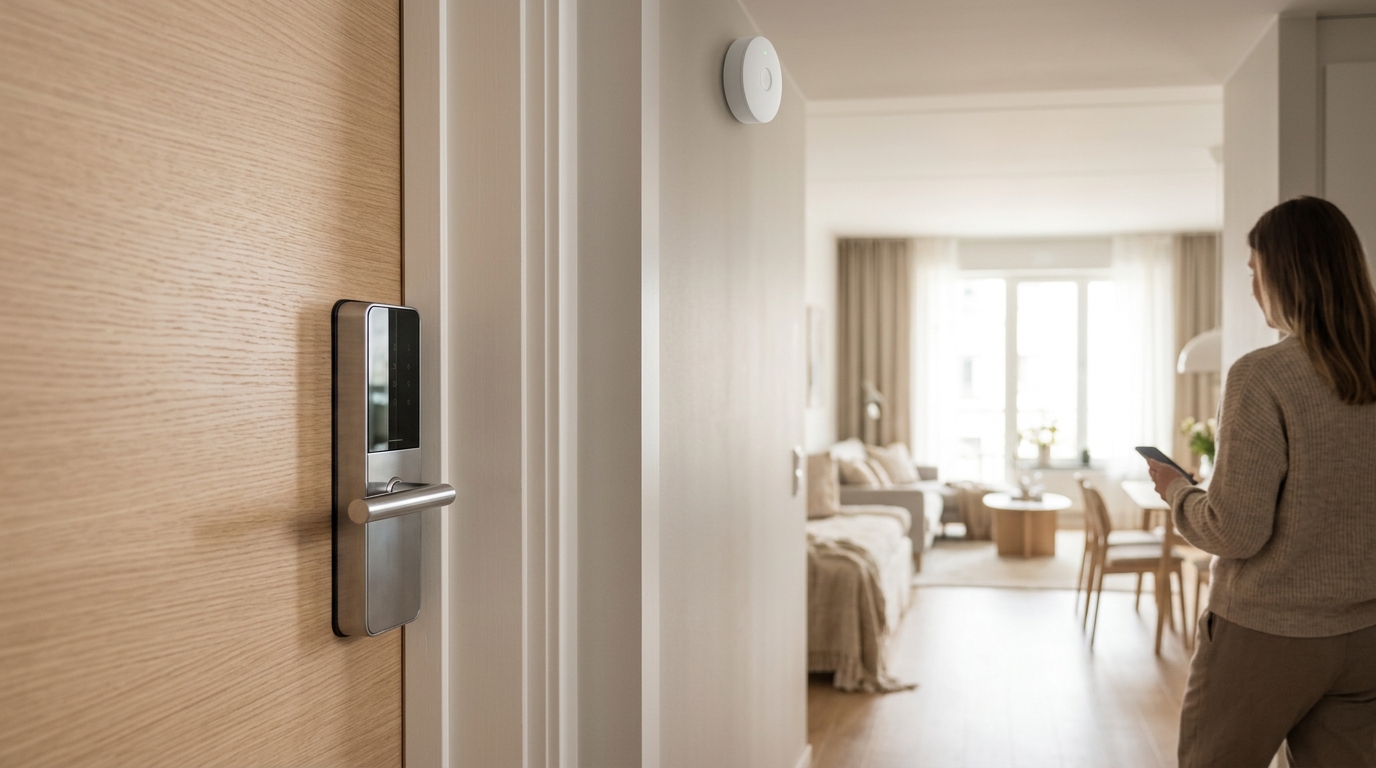
Managing a holiday rental or vacation apartment involves a delicate balance: you want to provide the best possible experience for your guests while simultaneously protecting your property and ensuring peace and quiet for the neighbours. One of the biggest fears for any host or property manager is dealing with an unauthorised gathering. Learning how to prevent illegal parties in holiday apartments is essential for maintaining profitability and complying with local regulations, which are becoming increasingly strict regarding neighbourhood quiet hours.
Key Takeaways
- Prevention is key: guest screening and crystal-clear house rules deter the vast majority of issues.
- Technology is your best ally: noise sensors and smart access control prevent unwanted surprises.
- Acting promptly prevents costly fines and severe conflicts with building communities.
Why Are Unauthorised Parties Such a Serious Issue?
The fallout from an unauthorised party in a short-term rental goes far beyond temporary noise. It often results in significant property damage to furniture, fixtures, and the building structure itself. Furthermore, hosts face severe risks of heavy fines from local councils or formal complaints from the homeowners' association. Knowing how to prevent illegal parties in holiday apartments is not an afterthought—it is a top-tier operational necessity.
The Power of Activity Logs
A detailed access history gives you context. Multiple door unlocks in a short span late at night are a clear sign of abnormal activity.
Pre-Check-in Prevention Strategies
While technology is vital, it must be paired with solid operating procedures and clear communication right from the moment a booking is made.
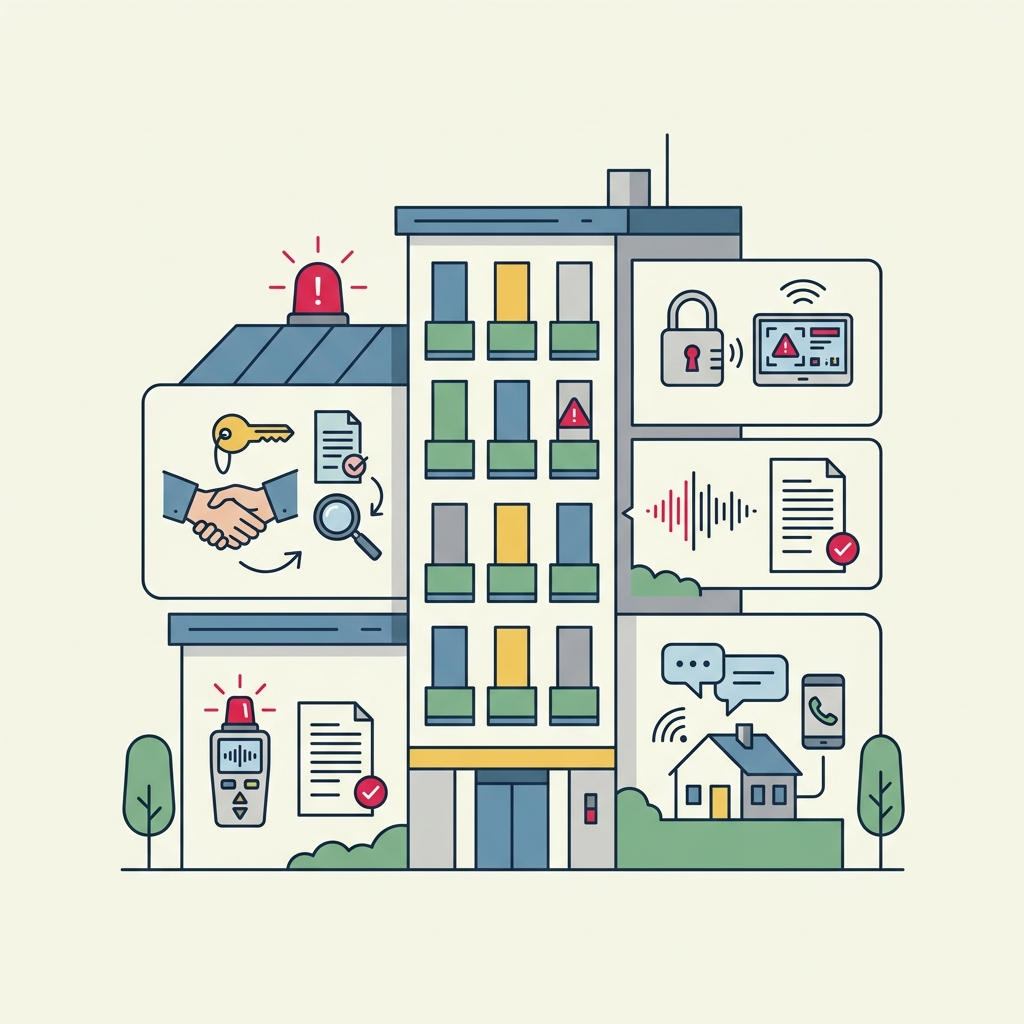
- Clear, Prominent House Rules State explicitly in your listing and automated messages that parties are strictly prohibited and will result in immediate eviction.
- Signed Rental Agreement Require guests to sign a short-term rental agreement that outlines penalties for excessive noise or unauthorised gatherings.
- Security Deposit Requiring a reasonable deposit discourages guests looking for a venue to throw wild parties.
- Identity Verification Ensure that the booking holder's details match their official government ID.
What to Do if You Detect a Party in Progress
Even with the best preventive measures, issues can still arise. If your noise monitors alert you or you notice unusual activity on your smart lock, act swiftly but calmly.
- Verify the situation. Check the noise sensor logs and smart lock history to confirm the alert is real and sustained, rather than an isolated spike (such as a door slamming shut or someone laughing loudly for a second).
- Contact the guest immediately. Send a message through the booking platform or an SMS stating that you have received excessive noise alerts and reminding them of the house rules. Often, this is enough to nip the problem in the bud.
- Call them directly. If the message does not yield results within 15 minutes, phone the primary contact number provided in the booking.
- Visit the property. If the issue persists or the guest ignores your calls, you will need to go to the apartment in person. It is always wise to bring someone along.
- Involve local authorities. If they refuse you entry, display aggressive behaviour, or the party is completely out of hand, contact the local police immediately to report a disturbance and excessive noise.
Swift, well-documented intervention not only prevents damage, but also proves to the building community that you are committed to keeping the peace.
The Importance of Building Good Relationships with Neighbours
Neighbours can either be your greatest allies or your worst nightmare. In 2026, social sensitivity around short-term rentals calls for complete transparency. Keeping an open channel of communication with the building’s committee or adjacent residents is a smart strategy. Provide them with an emergency contact number; they will appreciate the option to call you directly rather than immediately phoning the police or filing a formal council complaint.
Turning Neighbours into Allies
Let your neighbours know about the security measures you have put in place (such as noise monitors and smart locks). This builds trust and demonstrates professional, responsible management.
Conclusion: Technology and Management Go Hand in Hand
Mastering how to prevent illegal parties in holiday apartments requires a smart combination of proactive technology, thorough guest vetting, and uncompromising house rules. Privacy-safe noise monitors and the strategic use of access control let you sleep soundly, knowing your property is safe.
Investing in prevention is not an overhead expense—it is an insurance policy for the long-term viability of your vacation rental business. At the end of the day, peace of mind for both you and your community is priceless.
Frequently Asked Questions
Do noise sensors record guest conversations?
No. Certified noise monitors for vacation rentals are built with guest privacy in mind. They measure ambient decibel levels and detect abnormal volume patterns over time, without capturing intelligible sound or recording any conversations.
Is it legal to install indoor surveillance cameras in a holiday rental?
Generally, installing cameras inside private areas of the home (living rooms, bedrooms, bathrooms) is strictly illegal as it violates guest privacy. They are typically only allowed—under strict disclosure and signage rules—in outdoor spaces (such as large private gardens) or pointed solely at the front door exterior, strictly adhering to data protection laws.
What should I do if a guest refuses to leave after throwing a party?
If you request an eviction due to a severe breach of contract and the guest refuses to leave, never attempt to enter by force. Call the authorities (police) right away, present the signed agreement showing the violated clauses, and provide your noise or access logs to justify the eviction.
Can a smart lock alert me if a party is happening?
The lock itself does not detect sound, but its access history is a reliable indicator. If you notice an unusually high volume of door unlocks in the early hours of the morning via your management system—for example, with Raixer Pro—it is a strong signal that unregistered guests are coming and going.
Do I have to inform guests about noise sensors?
Yes. Disclosing noise sensors is mandatory and serves as an effective deterrent. You should clearly state in your listing description and house rules that the property uses noise monitors to protect neighbourhood quiet hours, explicitly noting that they do not record audio.