Online Check-in Software for Vacation Rentals
Automate guest arrivals and stay legally compliant with the best online check-in software for vacation rentals. Streamline your property access today!
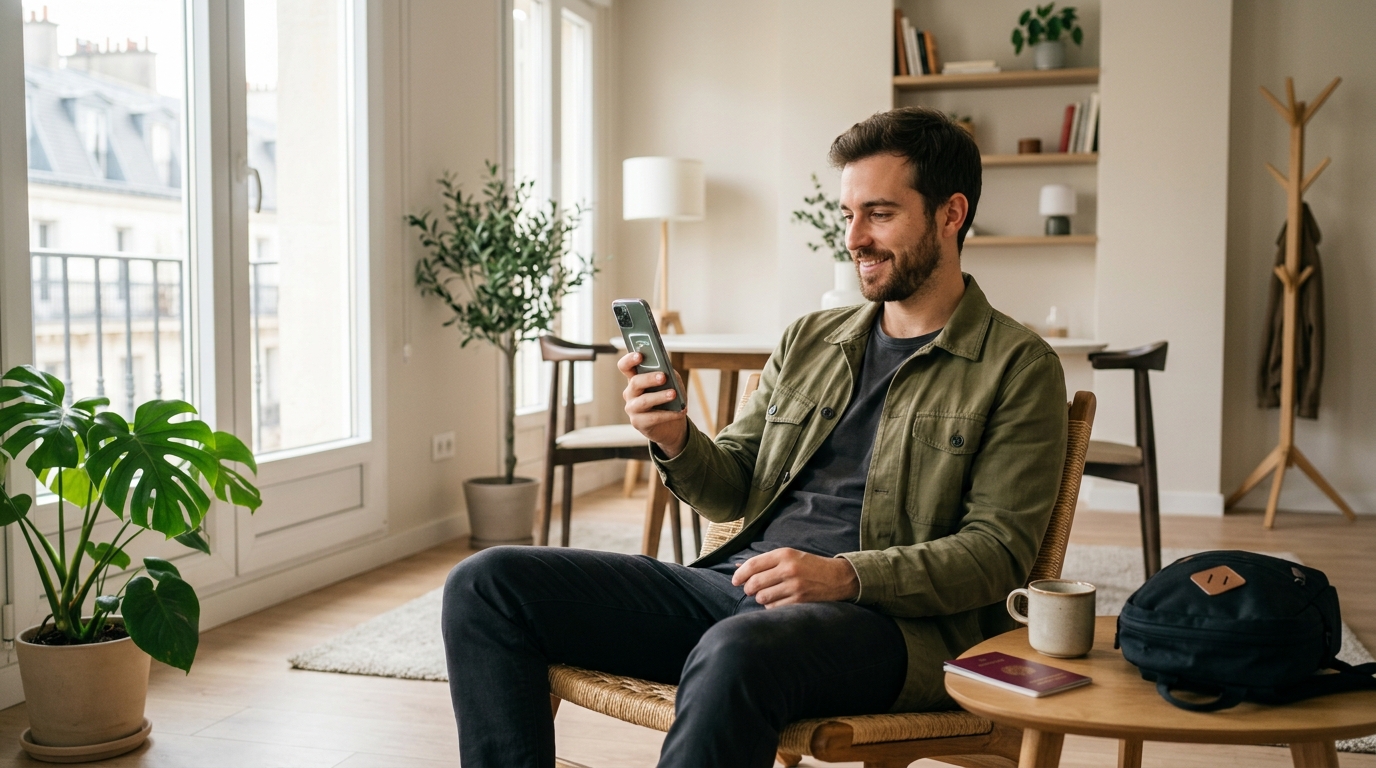
Managing guest arrivals at a vacation rental should never involve endless waiting, flight delay mix-ups, or legal headaches. Automating this process through reliable online check-in software for vacation rentals has become the undisputed standard in 2026 for running a profitable, frictionless operation. However, not just any tool will do: it must strictly comply with Spanish traveler registration regulations, protect personal data, and, above all, integrate seamlessly with keyless access systems.
Key Takeaways
- Check-in software must mandatorily collect the guest's ID document and digital signature.
- Reporting to law enforcement systems (Hospederías, SES.HOSPEDAJES) must be automated to ensure legal compliance.
- Integrating with a reliable smart lock completely eliminates the need for physical keys and in-person key handovers.
Legal Obligations for Vacation Rental Online Check-in Software in Spain
When you rent out a property for tourism purposes, Spanish law requires you to identify all guests aged 14 and older staying on the premises. Historically handled by filling out a paper guest check-in form (parte de viajeros) upon arrival, this process has now gone completely digital. However, digitalization brings responsibilities: the workflow must securely capture specific guest details and submit them directly to the authorities.
The Ideal Workflow
The perfect ecosystem links your Channel Manager or PMS, your check-in software, and your smart lock. When one piece moves, the rest respond automatically.
The sequence of an optimized automated remote check-in typically follows these steps:
- Booking confirmed. The PMS detects the new reservation and schedules pre-arrival communications.
- Form dispatch. The guest receives a secure link to complete the online traveler registration from their smartphone days before their trip.
- Validation and legal submission. The guest uploads their ID and provides their digital signature. The software validates the information and reports it directly to police authorities.
- Access generation. Only once legal check-in is complete does the system communicate via API with the access platform (such as Raixer's system) to generate a PIN code or virtual key tailored to the exact dates and times of the stay.
- Key delivery. The guest receives clear instructions on how to unlock both the street entrance and the apartment door without having to download complicated apps.
Hardware and Locks: The Final Link
No matter how sophisticated an online check-in platform is, it still requires dependable hardware at the door. An immaculate facial scanner is useless if the lock loses Wi-Fi connection, drains its batteries without warning, or jams while turning the cylinder.
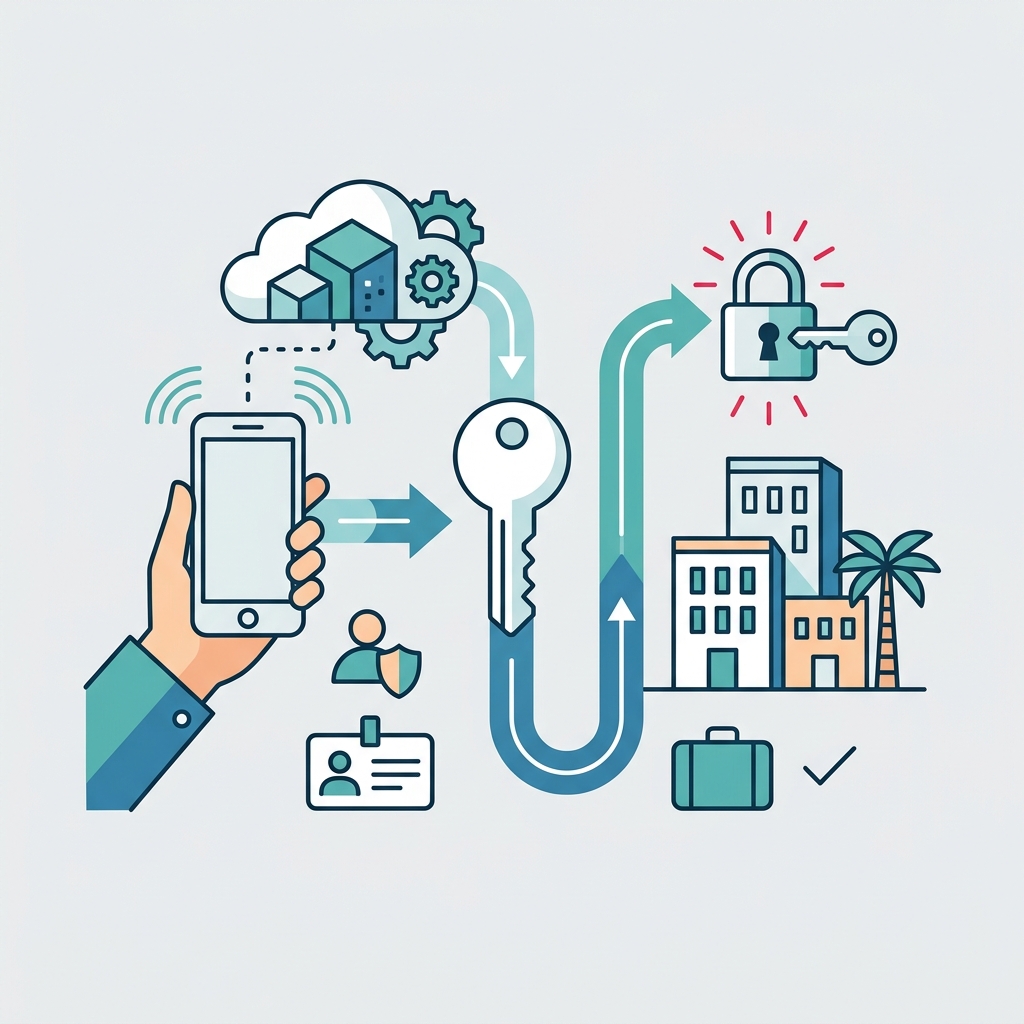
Selecting the right smart lock for vacation rentals will depend on your building's infrastructure. In most cases across Spain, holiday apartments are located within multi-family residential buildings, meaning guests must clear two separate barriers: the communal building entrance and the apartment front door.
Unlocking the Building Entrance
The communal entrance is often the biggest point of friction, as the Spanish Horizontal Property Law (Ley de Propiedad Horizontal) restricts modifications to common areas. To solve this, property managers typically use devices installed directly inside the apartment's intercom handset (such as the Raixer Mini or Raixer Pro), intercepting the door release signal invisibly to the homeowners' association.
Zero Impact on Common Areas
By connecting the device inside your own unit's intercom, you do not need permission from the neighbors' board or any alterations to the street-facing panel.
Unlocking the Apartment Door
For the unit's main door, motorized smart cylinders or interior retrofitted smart locks are the most reliable hardware solutions. It is essential that they run on low-energy protocols (such as BLE or Matter standards) while connecting to the cloud through a secure gateway for remote management. Having a physical keypad option is often a lifesaver, especially for older travelers or international guests dealing with drained phone batteries upon arrival.
In 2026, profitability for short-term rentals depends entirely on automation: airtight legal check-in and seamless keyless entry.
Integrations: The Cornerstone of Great Online Check-in Software
When assessing online check-in software for vacation rentals, look closely at third-party integrations. Fragmentation is a host's worst enemy. If you list on Airbnb, Booking.com, and VRBO, you need a Channel Manager to centralize your bookings. That Channel Manager must communicate directly with your check-in software (such as Chekin, Partee, or Civic), which in turn needs native integrations with access control hardware providers.
When these platforms connect via robust APIs, the result is a truly zero-touch experience. Once configured, delivering registration links, collecting tourist taxes, holding security deposits, verifying IDs, reporting to police databases, and granting door access codes all occur effortlessly behind the scenes.
Frequently Asked Questions
Is it legal not to meet guests in person to hand over keys?
Yes. Current regulations allow remote identity verification provided secure technical solutions are used to confirm the guest's identity (OCR, biometrics) and obtain their digital signature, followed by transmitting the required details to law enforcement authorities.
What happens if a guest doesn't complete the online check-in before arriving?
The best practice is to gate digital keys or PIN codes until registration is complete. When your check-in software and smart lock are properly integrated, the access code remains inactive and unsent until the guest uploads their ID and signs the entry form.
Do I need permission from the building's HOA to automate guest access?
For your own apartment door, no. For the building's street door, if you use a system wired to the intercom handset located inside your private property, you do not need approval from the homeowners' association either, as no common elements are altered.
What happens if the apartment loses power or Wi-Fi?
It is vital to choose access systems built with fail-safes. Many top-tier smart locks communicate locally via Bluetooth (BLE) directly with the guest's smartphone. Once access has been granted, the guest can unlock the door even if the router reboots or Wi-Fi goes down unexpectedly.