What to Do If Tourists Make Noise: Protocol and Guide
Noise issues in your vacation rental? Discover what to do if tourists make noise with this step-by-step protocol. Avoid fines and complaints today!
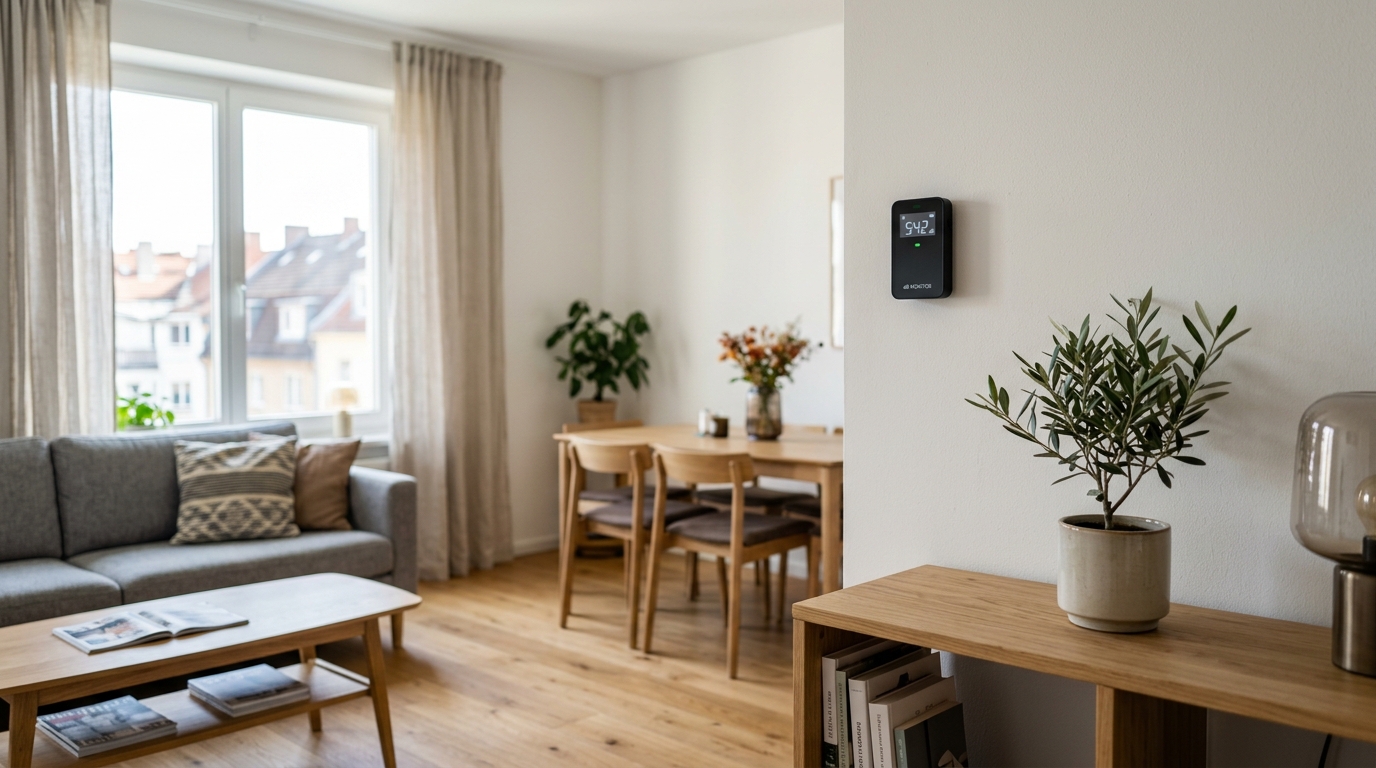
Managing vacation rentals means accepting that, occasionally, guests will cause disturbance issues. Knowing what to do if tourists make noise is essential to protect your business, avoid fines, and maintain good relationships with the neighborhood community. Prevention and a clear action protocol make all the difference between a minor incident and a serious conflict.
Key Takeaways
- Preventive technology, such as noise sensors, is your best ally.
- Establish a prompt, scalable action protocol.
- Noise regulations are strict; ignoring them can lead to the shutdown of your rental.
What to Do If Tourists Make Noise: Action Protocol
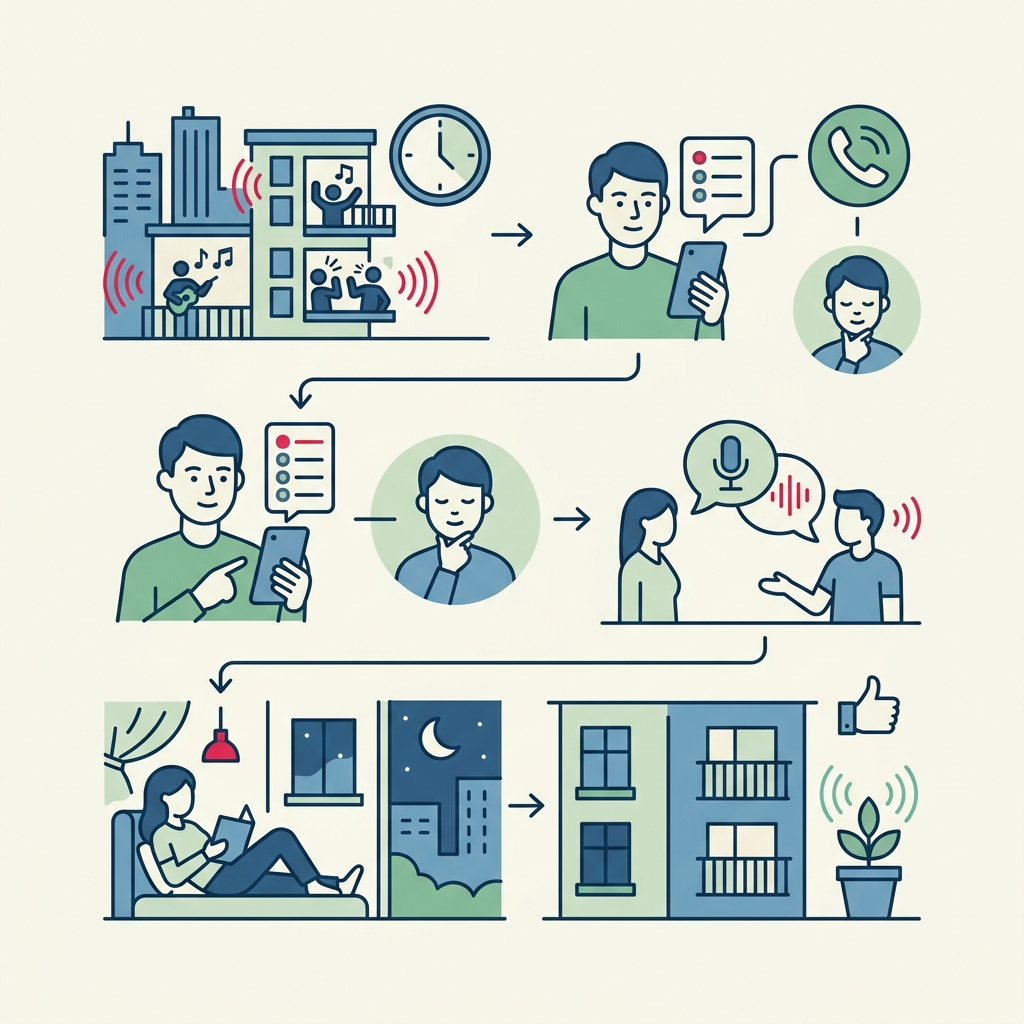
When a neighbor contacts you at two in the morning complaining about noise coming from your apartment, response speed is vital. Ignoring the problem or hoping guests will quiet down on their own usually makes matters worse.
- Immediate verification. Before accusing guests, verify the complaint. If you have a noise sensor for vacation rentals, check decibel levels in real time to confirm whether established thresholds have been exceeded.
- First friendly warning. Contact the guests (via phone call or message) politely yet firmly. Inform them that excessive noise has been detected and remind them of the house rules and community quiet hours.
- Second warning and escalation. If the noise persists after 15–30 minutes, make a second call. This time, warn them of the consequences of failing to stop the noise, such as withholding the security deposit, immediate eviction, or police intervention.
- In-person or police intervention. If the situation is not resolved, you must show up at the property or contact local authorities. A police report creates an official record of the incident, which is crucial if you need to justify an eviction or retain the deposit.
Act Fast
An unaddressed neighbor complaint can escalate into a formal report against the vacation rental owner, resulting in severe financial penalties and even the loss of your tourist license.
Prevention: Technology as Your Ally
The easiest conflict to manage is the one that never happens. Implementing smart technology in your vacation rental deters disruptive behavior and provides objective proof in case of a dispute. It's not about spying, but rather monitoring the environment while fully respecting guest privacy.
- Noise sensors Measure decibels without recording conversations, alerting you if noise levels exceed thresholds for a prolonged period.
The Role of Smart Locks
While their primary function is facilitating automated remote check-in, smart locks add an extra layer of security. If an unauthorized party is detected and guests refuse to cooperate, controlling physical access to the home can be decisive. With solutions like Raixer Pro, you can remotely revoke temporary access credentials for offending guests, preventing them from re-entering once they step out of the property.
Booking Filters
Beyond technology, setting a minimum stay of two nights significantly reduces the risk of bookings made exclusively to throw parties.
Clear Communication of House Rules
Many noise issues arise from simple lack of awareness or poor consideration by guests. It is your responsibility to make the rules crystal clear from the start.
Make sure to include quiet hours (typically from 10:00 PM to 8:00 AM) and community standards across several touchpoints of the booking process:
- In your listing description across platforms (Airbnb, Booking.com, etc.).
- In the booking confirmation message.
- In the rental agreement (digitally signed prior to arrival).
- On visible signage inside the property (for example, on the entrance door or in the living room).
Stating in writing that the accommodation uses noise monitoring and that parties are strictly prohibited under penalty of financial forfeiture acts as a powerful deterrent.
Professional vacation rental management requires protecting both the guest experience and the neighbors' peace and quiet.
Frequently Asked Questions
Is it legal to install noise sensors in a vacation rental?
Yes, it is completely legal as long as the device strictly measures decibel levels without recording audio or conversations. You must inform guests about these devices in your listing description.
Can I evict guests for making noise?
Yes, if the noise violates the house rules outlined in the rental agreement signed upon booking. It is advisable to have proof (such as noise sensor logs) and support from local law enforcement if the situation becomes confrontational.
What happens if neighbors call the police before notifying me?
If the police arrive and issue a noise citation, the fine usually targets the offenders (the guests). However, as the property owner, you hold vicarious liability, and accumulated complaints can jeopardize your short-term rental license.
How can I prevent unauthorized parties?
Combine smart technology and screening filters: decline single-night bookings from local profiles without prior reviews, install noise sensors, and clearly state in your rules that deposits will be retained in case of unauthorized parties.