Mallorca Tourist Tax 2024: Complete Guide for Accommodations
Discover everything about the tourist tax in Mallorca (ITS): what it is, who must pay it, and its impact. Essential guide for vacation rental managers and hotels. Avoid penalties!
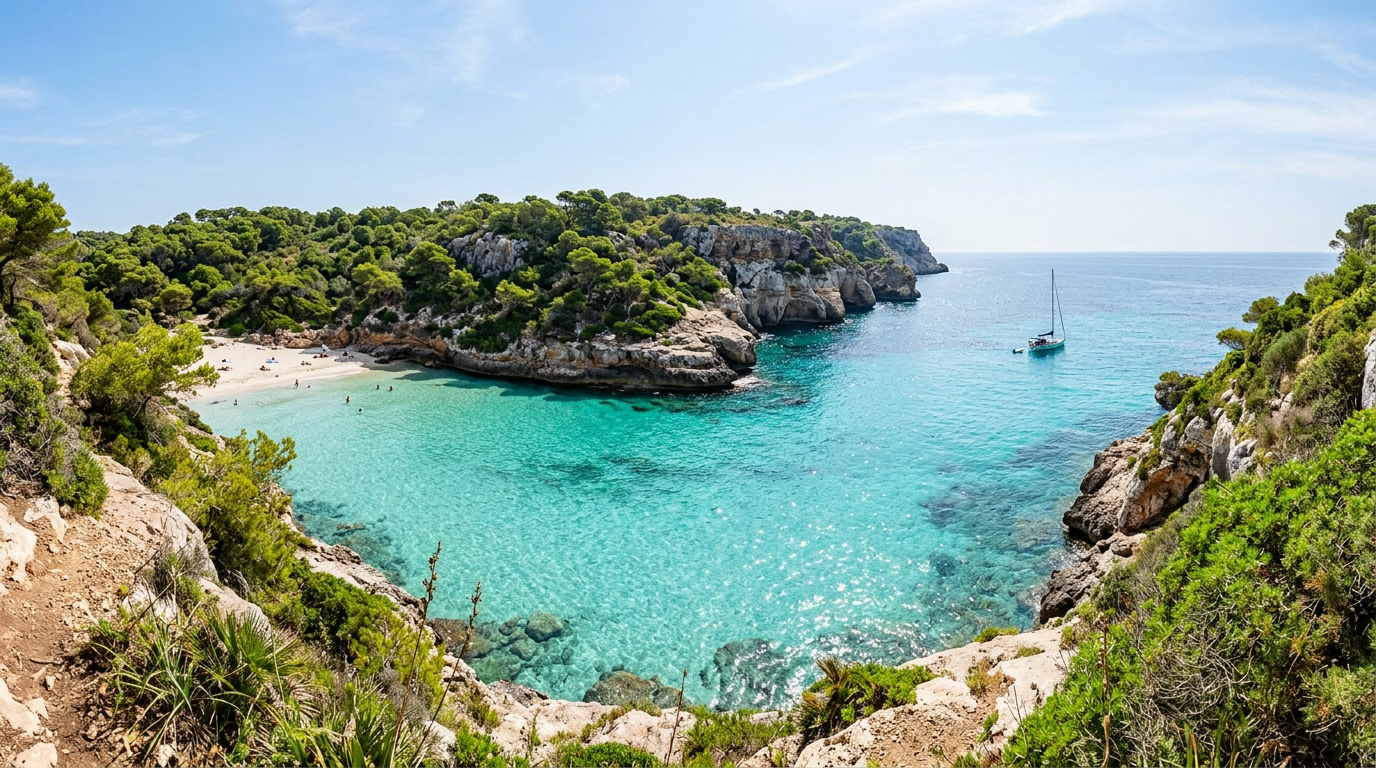
Mallorca, a prime tourist destination, attracts millions of visitors annually with its paradisiacal beaches, rich culture, and vibrant life. However, for managers and owners of tourist accommodations on the island, management is not limited to just offering a memorable experience to guests. One of the key aspects to consider, and one that often raises questions, is the application and management of the tourist tax in Mallorca, officially known as the Sustainable Tourism Tax (ITS).
The essentials
- The tourist tax in Mallorca is the Sustainable Tourism Tax (ITS), intended to finance sustainability projects.
- Its application is mandatory for almost all accommodations, both hotel and vacation rentals.
- Correct management of collection and settlement is crucial to avoid penalties.
Understanding the Tourist Tax in Mallorca (ITS): What is it and why does it exist?
The tourist tax in Mallorca, or Sustainable Tourism Tax (ITS), is a levy applied to tourist stays in the Balearic Islands. Its main objective is to finance environmental and sustainability projects on the islands. Since its implementation, it has been an essential instrument to offset the impact generated by tourist activity on the natural and urban environment, promoting a more responsible and conscious tourism model.
This tax is not an arbitrary fee; its collection is allocated to initiatives ranging from environmental protection and the recovery of natural spaces, to the promotion of sustainable mobility and innovation in the tourism sector. It is, in essence, an investment in the future of Mallorca as a destination, seeking to ensure that future generations can continue to enjoy the beauty and richness of the island.
Constant regulation
Regulations and amounts of the tourist tax may vary. It is essential to always consult the current legislation of the Autonomous Community of the Balearic Islands for the most up-to-date information.
Who must pay the tourist tax and who is exempt?
The obligation to pay the tourist tax falls on any person over 16 years of age staying in a tourist establishment in the Balearic Islands. This includes, of course, visitors staying overnight in Mallorca, whether in hotels, tourist apartments, agritourism, campsites, or vacation rental accommodations.
There are certain exemptions, such as stays for health reasons (requiring medical accreditation), minors under 16, or in specific situations defined by regulations, such as participants in Imserso trips or those with subsidized stays. It is vital for accommodation managers to be aware of these exceptions to correctly apply the tax and avoid conflicts with guests or regulatory non-compliance.
Implications for Vacation Rental Managers and Hotels
For VUT (Tourist Use Homes) owners and hotel managers in Mallorca, the tourist tax is not just an amount to collect, but a process involving administrative and fiscal responsibilities. Correct management of this tax is fundamental to operate within legality and maintain a smooth relationship with authorities.

Tourist Tax Amounts: A general estimate
While regulations and amounts may vary and it is always advisable to consult the official sources of the Government of the Balearic Islands, as a guide, the daily rates per person (plus VAT) usually are:
- 5-star, 4-star superior, 4-star hotels: Approximately €4 per day.
- 3-star superior, 3-star hotels and inland tourism accommodations: Around €3 per day.
- 4-key and 4-key superior tourist apartments: Approximately €4 per day.
- 3-key superior and 3-key tourist apartments: Around €3 per day.
- Tourist use homes (VUT) and other regulated accommodations: Generally €2 per day.
- Campsites, hostels, shelters and similar: Approximately €1 per day.
It is important to note that these rates receive a 75% discount from the ninth day of stay in the same establishment. Additionally, during the low season (November 1 to April 30), there is a 50% discount for most categories, except for tourist homes where the normal rate applies, unless combined with the long-stay discount.
Collection and settlement methods
Collection methods may vary. Some accommodations prefer to include it in the final booking price for simplicity, while others choose to collect it directly from the guest upon arrival or departure. In any case, it is crucial that this amount is clearly and transparently indicated to the client from the outset, avoiding unpleasant surprises.
The tax is settled periodically with the Balearic tax administration. This involves completing specific forms and paying the collected amounts. Failure to meet these deadlines or non-declaration can result in considerable economic penalties.
Non-compliance in the collection, declaration, or settlement of the tourist tax can result in significant fines. Stay up-to-date with regulations to avoid problems.
Keep a detailed record of all collections and exemptions applied to facilitate settlement and possible inspections.
The importance of transparency and communication with the guest
Clear and proactive communication with guests about the application of the tourist tax in Mallorca is key. Include information about the tax in the accommodation description, booking process, and confirmation documents. Explain its purpose (island sustainability) so that the guest understands the added value of their contribution. This not only prevents misunderstandings but also improves service perception.
Optimizing Management with Technology Solutions: The Power of Raixer
Managing tourist accommodation, especially in high-demand destinations like Mallorca, can be complex. From coordinating arrivals and departures, cleaning, maintenance, to managing the tourist tax in Mallorca, every detail counts. This is where technology, and particularly Raixer smart locks for tourist apartments, plays a transformative role.
While a smart lock does not directly manage the collection of the tourist tax, it drastically optimizes other operational processes, freeing up time that you can dedicate to important administrative tasks, such as ITS declaration. Access automation allows for more efficient management and, therefore, a greater capacity to focus on the legal and financial aspects of your business.
Remote check-in and automation: an indirect ally
Through solutions like automatic remote check-in, guests can access their accommodation without the need for physical key exchange. This is achieved through locks like the Raixer Mini or the Raixer Gyro, which work with technologies such as BLE (Bluetooth Low Energy) or via the cloud, allowing the manager to send temporary access codes directly to the guest's smartphone. This not only improves the user experience but also reduces the manager's operational burden.
- Send access codes. Generate and send temporary access codes to guests before their arrival.
- Autonomous access. Guests open the door with their smartphone or an integrated numeric keypad.
- Monitoring. Record all entries and exits for total control of the accommodation.
Imagine that you can, for example, automate sending an email to your guests once the reservation is confirmed, including a link with instructions for self-managing the tourist tax, while access to the property is already covered by your Raixer system. The time you would traditionally spend coordinating a key handover, you now use to ensure that the information about the ITS is clear and the collection is correct.
Integrating smart locks with a PMS and a tourist tax management software can further automate processes and reduce errors.
Security and control in the digital age
Raixer smart locks not only offer convenience but also a superior level of security. Access control is performed digitally, allowing the owner or manager to monitor who enters and leaves, and revoke access at any time. This is especially useful in situations where it is necessary to coordinate cleaning or maintenance, optimizing downtime and ensuring that only authorized personnel have access. For housing communities, a system like Raixer's access control can simplify the management of common areas and even garages.
Furthermore, by integrating these locks with other management systems, such as Property Management System (PMS) platforms, operations are further centralized, which indirectly benefits the management of aspects such as the tourist tax, by freeing up resources and facilitating compliance.
Future of Tourism Management in Mallorca
The tourism sector in Mallorca is constantly evolving. Regulations, traveler demand, and sustainability expectations continue to adapt. The tourist tax in Mallorca is a clear example of how the industry is moving towards a more responsible model.
Managers who adopt advanced technologies and efficient processes will be better positioned to face challenges and seize opportunities. Raixer solutions, ranging from Raixer products for apartments to access control for hotels, are a fundamental part of this modernization. They facilitate daily operations, allow for more flexible and secure management, and ultimately, help owners focus on regulatory compliance and offering an exceptional experience to their guests on the beautiful island of Mallorca.
Operational efficiency is the foundation for sustainable and profitable tourism management.
Frequently asked questions
What exactly is the tourist tax in Mallorca?
The tourist tax in Mallorca is the Sustainable Tourism Tax (ITS), a levy paid by visitors for their stay in tourist accommodations in the Balearic Islands. Its objective is to finance projects that promote environmental sustainability and the conservation of the islands' natural and cultural resources.
Who is responsible for collecting the tourist tax?
The person responsible for collecting the tourist tax is the owner or manager of the tourist establishment (hotel, apartment, VUT, etc.) where the visitor is staying. They must collect the corresponding amount from guests and then settle it with the Balearic tax administration.
Are there any exemptions for paying the tourist tax?
Yes, there are exemptions. The most common include minors under 16, people traveling for health reasons (with prior medical accreditation), and subsidized or social stays. It is important to consult the updated regulations to know all the exemptions from the Government of the Balearic Islands.
How can I find out the current amount of the tourist tax?
The amount of the tourist tax varies depending on the type of accommodation, category, and season (high/low season). For example, a 5-star hotel in high season may have a rate of €4 per day plus VAT, while a tourist home may be €2 per day plus VAT. This information is updated periodically by the Directorate General of Taxes and Gaming of the Ministry of Finance and Foreign Relations of the Government of the Balearic Islands. It is always recommended to consult official sources for current rates and their possible discounts.
How can Raixer smart locks help me with my accommodation management and the tourist tax?
Although Raixer smart locks do not directly manage the collection of the tourist tax, they greatly automate and simplify access management and check-in/check-out. By optimizing these processes, they free up the manager's time and resources that can be dedicated to crucial administrative tasks, such as correctly informing guests about the tourist tax, its collection, and subsequent settlement. Furthermore, they improve security and the customer experience.