How to set up a rural house for holiday rental
Discover how to set up a rural house for holiday rental. Learn about the legal requirements and key steps to successfully start your tourism business. Start today!
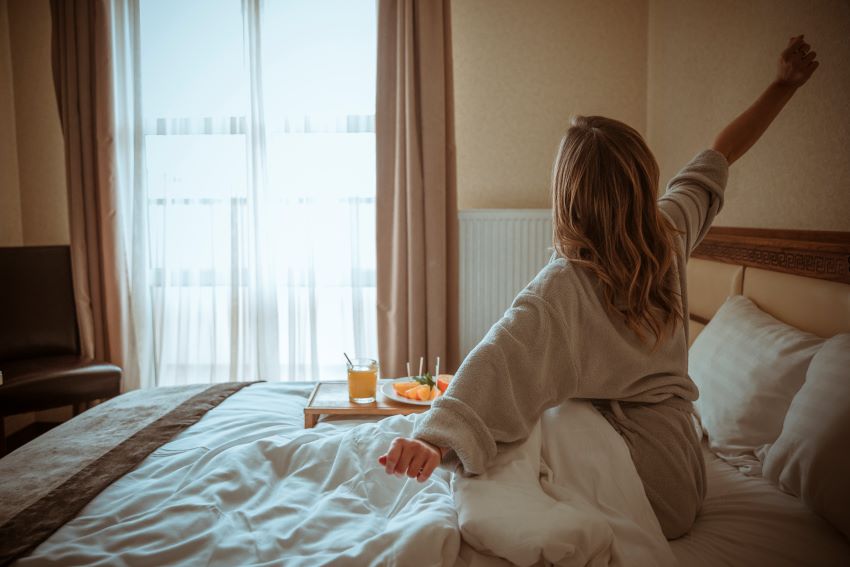
Spain is a country with great tourism potential. Although the main attraction has always been the sun and the beach, and large cities offer a wide variety of tourist options, rural tourism is what has grown the most in recent years, and even more so after the pandemic. In relation to this, many people are wondering how to set up a rural house for holiday rental, as it is a very attractive business opportunity.
What requirements must a rural house meet for holiday rental
When considering how to set up a rural house, the first thing to decide will be the location we want for our holiday rental business. The requirements that must be met when setting up the holiday rental company will largely depend on this.
However, although the technical and aesthetic characteristics are regulated by each autonomous community, broadly speaking, the generic requirements are:
- Apply for and have approved the various permits and licenses required.
- The dwelling must be able to accommodate a minimum of four people.
- It must have electricity and water (both cold and hot).
- Rooms must have a minimum surface area of 6 m2 for single rooms and 12 m2 for double rooms.
- Have a first aid kit and fire extinguisher available to tenants.
How you can set up a rural house
Before embarking on this project, it is crucial to research and plan properly. Research the holiday rental market in the area where you plan to establish your rural house. Analyze demand, rental prices, high and low seasons, and existing competition. Additionally, determine the size and characteristics of your rural house. Decide how many bedrooms, bathrooms, and common areas you will need to comfortably accommodate guests. Also consider additional facilities you could offer, such as a swimming pool, garden, barbecue, parking, and internet access. If you are wondering how to set up a rural hotel and want to dedicate your business to managing tourist accommodations, it is best to follow the steps we list below:
Choose location
Location is fundamental to the success of your rural house. Look for an attractive area, with natural landscapes or nearby places of interest. It is important that the location offers tranquility and activities for guests, such as hiking, cycling, or visits to cultural sites. Make sure there is good service infrastructure, such as shops, restaurants, and public transport. You might want to have the rural house in your grandparents' village or in that place you visited years ago, but it is important to analyze the exact situation carefully.
Feasibility plan
This is essential for the good outcome of a business. It will be necessary to analyze the expenses that will be incurred and the necessary income, as well as to conduct a market analysis of the area where the rural house is located.
For this, a business plan model for tourist apartments can be followed.
Requirements
Before opening the rural house, you will need to check the requirements demanded by the autonomous community where it is located.
Licenses
Regulations also establish the necessary licenses and permits for holiday rentals. Inform yourself about local laws and regulations related to holiday rentals and rural houses. Find out if you need to obtain specific licenses or permits to operate your business. Complying with all regulations is essential to avoid legal problems in the future.
Facilities
Offering quality services and amenities is fundamental to standing out in the holiday rental market. Make sure your rural house has basic services such as hot water, heating, and reliable electricity. Also consider providing bedding, towels, kitchen utensils, and other necessary items for a comfortable stay. Additionally, offer extra services such as regular cleaning, laundry service, and assistance during your guests' stay. Among these, we can find a swimming pool or a gym. But also others necessary for the well-being of guests, such as air conditioning, or security, such as smart locks.
Decoration
Once you have acquired or selected the appropriate property, you will likely need to carry out some renovations and adaptations. Make sure the house meets the necessary safety and comfort standards. The decoration should be in keeping with the rural environment, creating a cozy and authentic atmosphere. Use natural materials and traditional elements to enhance your guests' experience. Increase the attractiveness of the house and, with it, the chances of more guests staying there.
Promotion
Once your rural house is ready to receive guests, it's time to promote it. Create an attractive and user-friendly website where you can display high-quality photographs of your property and describe its features and services. Use social media and holiday rental platforms to promote your rural house and reach a wider audience. You can also consider collaborations with local travel agencies or travel blogs to increase your visibility.
Customer service
Providing excellent customer service is essential for success in the holiday rental business. Respond quickly to inquiries and requests for information from potential guests. During their stay, make sure your guests feel comfortable and attended to, providing them with information about local activities, restaurant recommendations, and any other help they may need.
If you are thinking about how to set up a rural house, the solution lies in the regulations of the autonomous community that will govern the requirements. Additionally, you must carry out a feasibility plan and comply with mandatory requirements and procedures, as well as advertise and promote the accommodation.
Setting up a rural house for holiday rental can be an exciting and profitable experience. By following the right steps, from initial research to promotion and customer service, you can turn your rural house into a successful holiday rental business. Remember to maintain high quality standards, offer exceptional services, and adapt to your guests' needs to ensure long-term success. Good luck on your rural tourism adventure!