Grants and Subsidies for Rural Houses in 2026
Discover all the grants and subsidies for rural houses in 2026 in Spain: LEADER, Kit Digital, ICO, and aid by autonomous community.
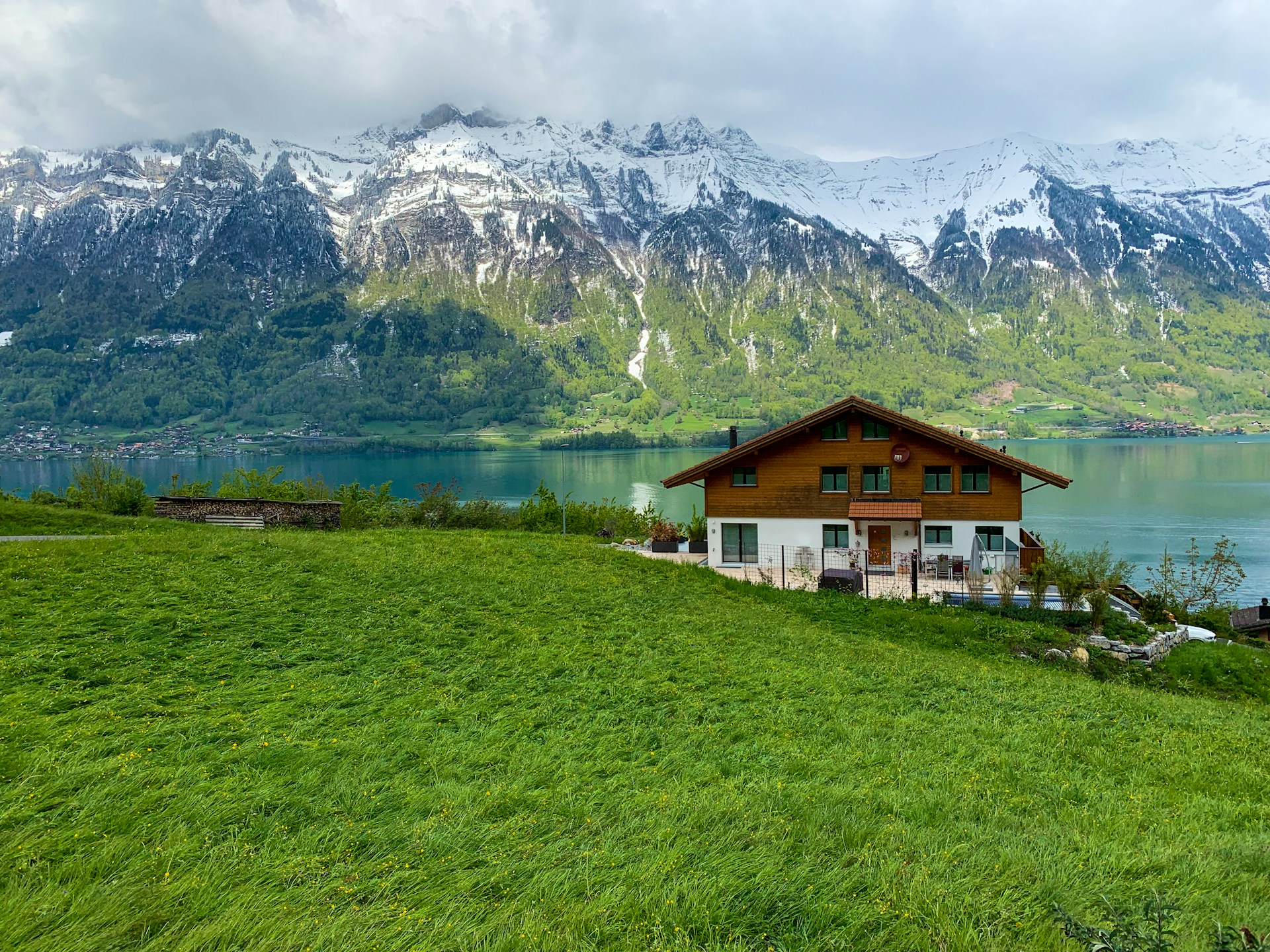
Rural tourism continues to consolidate as a key tool for revitalising rural areas in Spain. In 2026, both the European Union and the Government of Spain and the autonomous communities offer entrepreneurs and owners various lines of aid aimed at the creation, improvement, and modernisation of rural houses.
These subsidies range from project financing to digitalisation or property rehabilitation, creating a fairly broad ecosystem of support.
Main Grants and Subsidies for Rural Houses
LEADER Aid
LEADER aid forms part of rural development programmes financed through the European Agricultural Fund for Rural Development (EAFRD). Its management corresponds to Local Action Groups, which adapt calls for proposals to the needs of each territory.
This aid is primarily aimed at entrepreneurs in rural areas and allows for the financing of:
The creation of new rural accommodations
The expansion or modernisation of existing businesses
Projects linked to sustainable tourism
Depending on the project and the area, they can cover between 20% and 50% of the investment.
Aid for Digitalisation
Within the Recovery Plan promoted by the European Commission, aid aimed at the digitalisation of the tourism sector stands out.
Programmes such as Kit Digital allow rural accommodations to implement:
Online booking systems
Digital marketing strategies
These solutions are essential for improving visibility and increasing competitiveness in an increasingly digital environment.
Aid for Women Entrepreneurs in Rural Areas
Promoting female entrepreneurship in rural areas is another priority in 2026. There are specific programmes that offer:
Direct subsidies to start an activity
Bonuses on self-employment contributions
Specialised training and mentoring programmes
These initiatives are usually promoted by entities such as the Institute for Women.
ICO Loans
The Official Credit Institute (ICO) facilitates access to financing through credit lines with favourable conditions.
Among its main advantages are:
Competitive interest rates
Initial grace periods
Long repayment terms
Although not direct subsidies, these loans are key for undertaking initial investments or improving facilities.
Aid for the Rehabilitation of Rural Housing
Aid for rehabilitation seeks to improve both energy efficiency and the conservation of rural heritage.
Subsidised actions include:
Structural reforms
Improvement of thermal insulation
Installation of renewable energies
In many cases, this aid is linked to the European Next Generation funds.
Subsidies for Improving Tourist Quality
Another prominent line is aimed at raising the standards of the rural tourism sector. These grants usually cover:
Modernisation of facilities
Obtaining quality certifications
Improvement of accessibility
Implementation of sustainable measures
In Spain, these types of programmes are promoted by organisations such as Turespaña.
Aid by Autonomous Community
The autonomous communities manage their own calls for proposals, which leads to differences in requirements, deadlines, and amounts.
Galicia
In Galicia, programmes focused on sustainable rural tourism, the rehabilitation of traditional homes, and the digitalisation of the sector are promoted. This aid is managed by the Xunta de Galicia.
Castilla-La Mancha
Offers subsidies for rural accommodations, incentives for new entrepreneurs, and programmes aimed at energy efficiency.
Castilla y León
Stands out for its strong support for rural tourism, with very active LEADER aid and programmes aimed at retaining population. Management corresponds to the Junta de Castilla y León.
Andalucía
Includes incentives for tourism modernisation, energy efficiency, and sustainable development, managed by the Junta de Andalucía.
Extremadura
Has specific programmes for depopulated areas and a high level of subsidy, which can reach 50%.
Asturias
Maintains a firm commitment to rural tourism, with aid for the rehabilitation of traditional homes.
Cantabria
Offers subsidies to improve the quality of accommodations and promote digitalisation.
Aragón
Develops programmes aimed at combating depopulation and supporting new rural businesses.
Cataluña
Promotes subsidies for sustainable tourism and innovation, managed by the Generalitat de Catalunya.
Baleares
Focuses on sustainable and quality tourism, with certain regulatory limitations.
Canarias
Has specific incentives derived from its insular condition and promotes ecological rural tourism.
La Rioja
Commits to wine tourism and rural tourism through aid aimed at small businesses.
Comunidad Valenciana
Offers programmes for digitalisation, modernisation, and tourism sustainability.
Murcia
Includes incentives for new rural accommodations and improvements in energy efficiency.
Euskadi
Fosters high-quality rural tourism and innovative projects, managed by the Basque Government.
Conclusion
In 2026, the development of a rural house in Spain benefits from a wide range of public support. The combination of European subsidies, regional aid, and financing such as that from the ICO helps reduce risk and improve project viability.
Given that many calls for proposals are limited and competitive, it is advisable to constantly monitor available aid, collaborate with Local Action Groups, and present well-structured projects that maximise funding possibilities.