How to Prevent Parties in Your Rental: A Host's Guide
Learn how to prevent guests from throwing parties in your apartment using smart locks and noise sensors. Protect your vacation rental today.
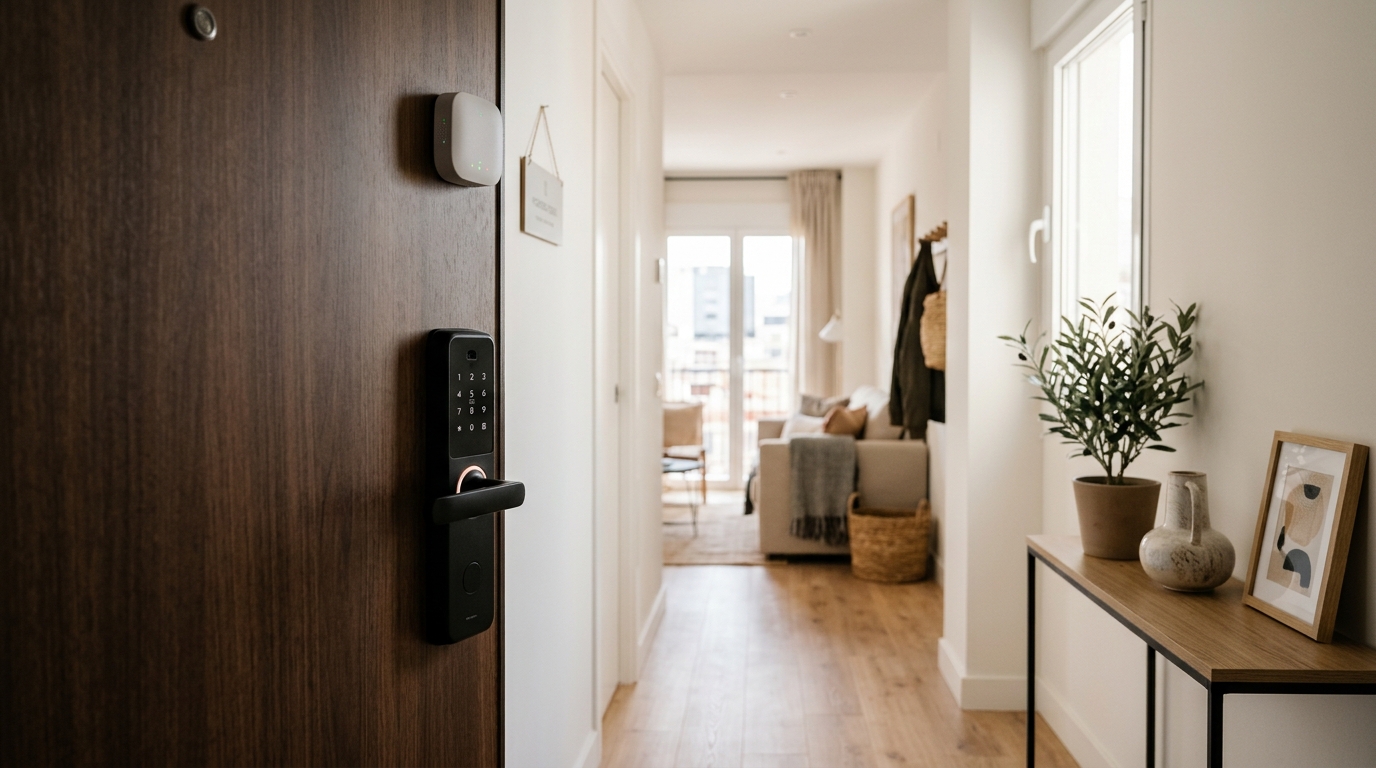
Managing a vacation rental means protecting community coexistence and the condition of the property. Knowing how to prevent guests from throwing parties in your apartment is the top operational priority for any owner or professional manager seeking peace of mind and long-term business viability.
Key Takeaways
- Preventive screening during booking drastically reduces the risk of unauthorized party incidents.
- Combining noise sensors with smart locks makes it possible to stop unauthorized events in real time.
- Access logs and decibel thresholds provide objective evidence in the event of disputes or fines.
How to prevent guests from throwing parties through active prevention
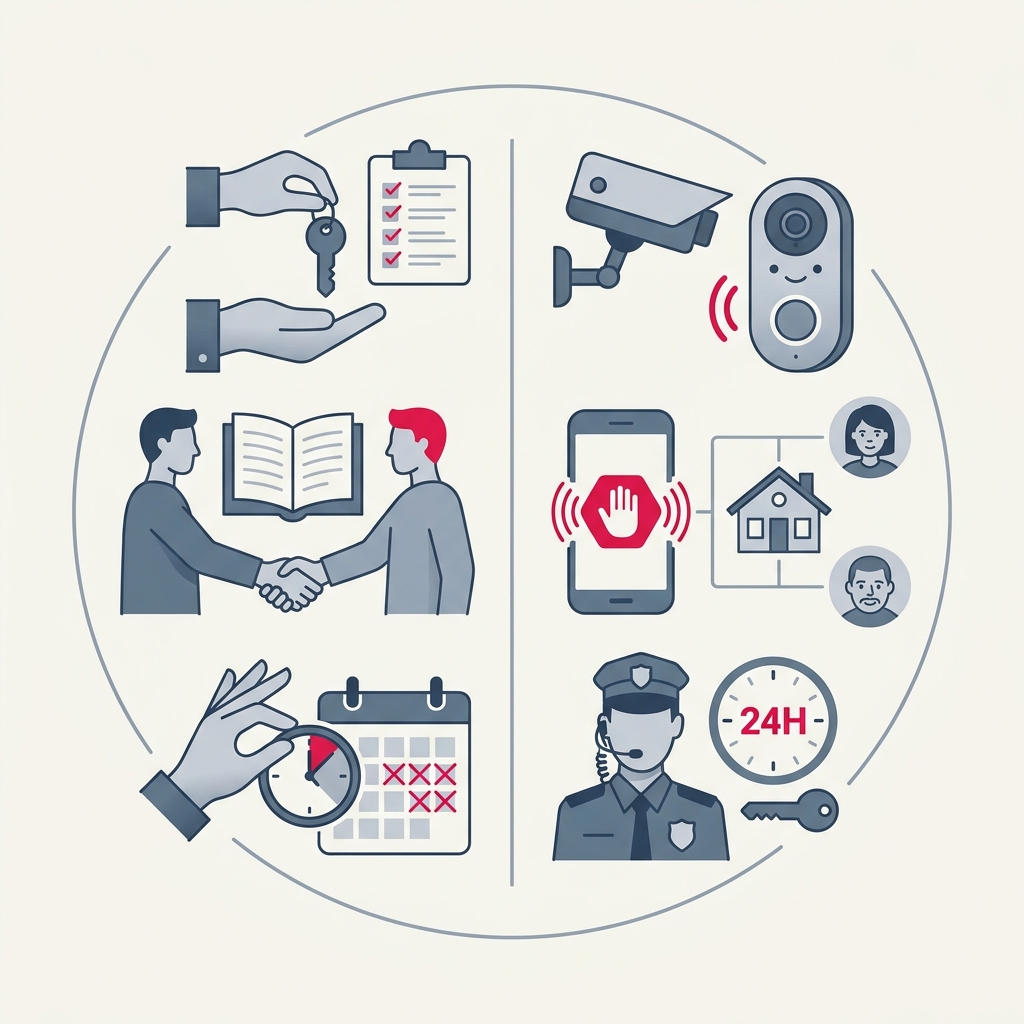
Party prevention does not start when the guest walks through the door; it begins at the very first point of contact. Establishing a strict protocol before confirming a stay deters individuals who are looking for a property solely to host unauthorized events.
Troublesome guests usually look for accommodations with unmonitored check-in processes, automated messaging without screening, and ambiguous house rules. Applying controlled friction during the booking stage is your first line of defense.
Access Auditing
Real-time activity logs reveal suspicious patterns, such as doors opening repeatedly every few minutes late at night.
Access management and smart entry technologies
Various system architectures allow you to manage the front door and common areas without compromising the convenience of legitimate guests:
Integrating gateways with wireless protocols such as BLE (Bluetooth Low Energy), Wi-Fi, Matter, or Z-Wave enables communication with the lock without relying on complex infrastructure. Using solutions like Raixer's smart lock for vacation rentals, managers can grant access via temporary numerical keycodes, a mobile app, or a missed call, eliminating physical key handoffs.
If an ongoing, unjustified flow of people is detected, the administrator can revoke or pause access credentials instantly from the dashboard, stopping outside visitors from entering the apartment.
Acoustic monitoring: noise sensors without privacy intrusion
A common fear among property managers is finding out about a party through an angry call from a neighbor or local police. To eliminate this issue, installing a noise sensor for vacation rentals is essential.
These devices continuously measure A-weighted sound pressure levels (dBA). It is crucial to understand that these devices do not record audio, store conversations, or capture decipherable sound; they only calculate average decibel levels and peaks during preset intervals, remaining fully compliant with data privacy regulations.
How sound sensors operate in residential environments
Many sensors run on long-range frequencies like sub-GHz (e.g., 868 MHz) or secure Wi-Fi connections to the cloud. Their operation relies on sound persistence:
A dropped object or an isolated laugh creates a brief spike that the algorithm ignores. A party, however, creates a sustained pattern of elevated decibels over dozens of minutes. When the preset threshold is exceeded (typically between 65 and 75 dBA during the day, and lower at night), the system sends immediate alerts.
The key is not to penalize noise once a party is already in full swing, but to intervene the moment decibels begin to rise continuously.
Step-by-step action plan for a suspected party
When monitoring systems detect an anomaly, following a standardized protocol avoids unnecessary confrontation and resolves the issue within minutes.
- Verify telemetry data. Cross-reference sustained decibel levels from the sensor with the frequency of door unlocks on the electronic lock.
- Send a polite automated warning. Dispatch an SMS or direct message to the primary guest, reminding them of the quiet-hours policy and the breached noise threshold.
- Make a direct phone call. If noise levels do not drop within 10–15 minutes, call directly to warn that their rental agreement may be terminated immediately.
- Revoke access and intervene. Deactivate entry permissions for unregistered guests and dispatch an on-site security or response team to handle the eviction.
Legal Compliance
Any in-person intervention or booking cancellation must comply with the contractual terms previously agreed to and signed by the primary guest.
Hardware and software synergy: a comprehensive prevention ecosystem
Using tools in silos limits their effectiveness. Successfully mitigating unauthorized parties relies on smooth communication between smart home devices and property management software (PMS).
When centralized software detects that a sensor records excessive decibels while the door lock registers more than six entries in under thirty minutes, the probability of an unauthorized party is virtually 100%. This automation triggers real-time alerts without requiring managers to constantly watch a dashboard.
A reliable system like Raixer integrates smoothly with these workflows, ensuring that both building entrance doors and the apartment door remain digitally secured against unauthorized visitors.
Frequently Asked Questions
Is it legal to install noise sensors in a vacation rental?
Yes, it is completely legal as long as the sensor only measures sound pressure levels (decibels) and lacks microphones that record, process, or store audio or conversations. Guests must also be notified of their presence in the house rules.
How do sensors tell the difference between a party and a lively conversation?
The devices calculate rolling decibel averages over time. Everyday conversations feature natural pauses and fluctuations, whereas party music and crowds maintain a continuous volume above the configured thresholds for prolonged periods.
Can I evict guests immediately if they throw a party?
The ability to terminate the stay unilaterally depends on whether the strict party ban and the right to evict for violations are explicitly outlined and accepted in the booking terms and internal house rules.
What advantages does a smart lock have over in-person monitoring?
It provides exact timestamped logs for every entry, allows you to revoke codes remotely at the first sign of trouble, and eliminates the uncontrolled duplication of physical keys among unauthorized guests.