Date of Issue in Raixer Access Control | Smart Security
Discover the importance of the 'date of issue' in access control. Raixer uses this key date for secure and temporary management of credentials in smart locks. Improve your security today!
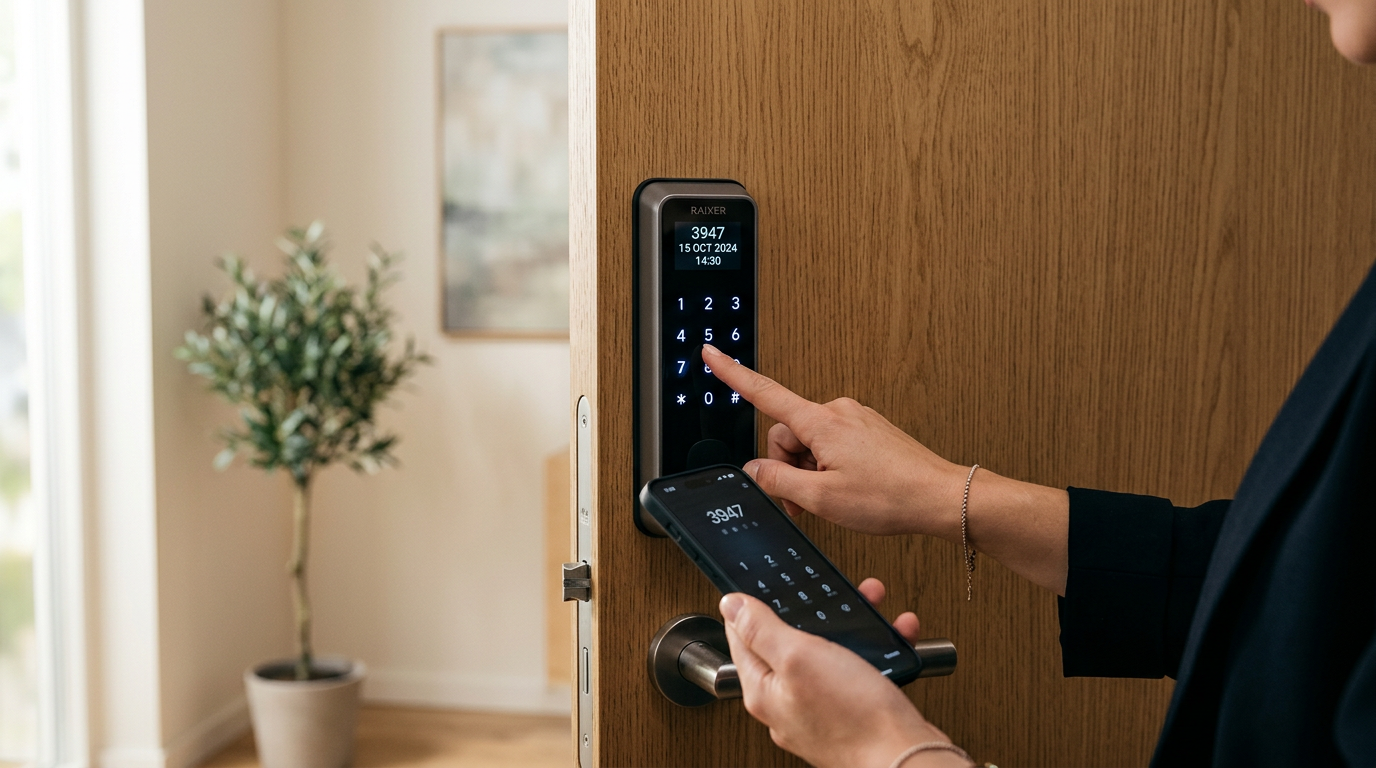
In the field of security and access control, the concept of “date of issue” plays a fundamental, though often underestimated, role. This date not only determines the temporary validity of a permit, credential, or digital access key, but it is also a critical component for traceability, auditing, and efficient security management. For Raixer, a leading company in smart lock solutions, understanding and managing the date of issue is intrinsic to the operation of our systems, ensuring that access is granted in a controlled and secure manner, adapting to the dynamic needs of tourist rentals, offices, communities, and more.
The essentials
- The “date of issue” is key for the validity and security of digital access credentials.
- It allows flexible temporary management, essential for rentals and shared spaces.
- It facilitates traceability and auditing of access, improving security.
What is the “date of issue” in the context of access control?
The date of issue refers to the exact moment a credential, access key, or digital permit is generated and put into circulation. In access control systems like those offered by Raixer, this date is much more than a simple timestamp; it is the starting point from which the validity of an access is established. For example, when generating a virtual key for a guest in a tourist apartment, the date of issue marks the beginning of the period during which that key will be active.
This ability to precisely define when access validity begins is vital for automated management. It allows administrators to schedule access in advance, ensuring that virtual keys or codes are activated exactly when needed, without requiring manual intervention on the day of arrival. This principle applies to various access modalities that use our solutions, from temporary PIN codes to smartphone access.
Time synchronization
It is essential that smart locks and the management platform maintain synchronized time with time servers (NTP) for the issue and expiry dates of keys to be interpreted correctly.
Cryptography and key security
The “date of issue” is only one component of a digital key that must be, in itself, secure. We use robust encryption algorithms to protect access keys from their generation on the platform to their use in the lock. This means that the date of issue cannot be altered by malicious third parties. The key is issued with a digital certificate or a token that includes this date, and the lock verifies its authenticity and temporary validity before granting access.
This cryptographic approach is vital to prevent key counterfeiting or the use of expired access. Raixer's access control solutions are designed to offer end-to-end security, where every component, including the date of issue, is protected against manipulation.
Process of generating and managing credentials with “date of issue”
Raixer's platform simplifies the creation and administration of temporary access, making the date of issue an intuitive parameter to configure.

This process is at the heart of the efficiency Raixer offers for automatic remote check-in in tourist rentals and access management in corporate environments. The ability to schedule in advance and remotely, thanks to robust “date of issue” management, is a key differentiator.
Benefits of efficient management of the date of issue
A solid understanding and application of the “date of issue” brings significant advantages for any property manager or facility administrator:
- Improved security. Accesses are only valid when necessary, reducing the risk of unauthorized intrusions.
- Process automation. Eliminates manual key handover tasks and allows access to be scheduled in advance.
- Complete traceability. Every access is registered with its issue date and use, facilitating audits.
- Operational flexibility. Adaptability to changes in reservations, work schedules, or specific events.
- Cost reduction. Savings in staff, key duplication, and incident management due to loss.
Precise management of the “date of issue” transforms security from a static barrier into a dynamic solution adaptable to every need.
Advanced use cases and the “date of issue”
Beyond basic management, the date of issue enables advanced functionalities. For example, in integration for developers scenarios, Raixer's API allows programmatic creation of access with specific issue and expiry dates, facilitating integration with PMS (Property Management Systems) or CRM.
It is also crucial in implementing specific security measures, such as in the case of the anti-squatter smart lock, where access can be immediately revoked or its validity restricted if an anomalous situation is detected. The ability to redefine or cancel a “date of issue” for an already existing credential is as important as its initial creation.
Always ensure that the expiry date of a temporary key is after the "date of issue". A configuration error could deny access to a legitimate user.
Ultimately, the "date of issue" is not a mere administrative formality, but an active security tool that, integrated into Raixer products technology, allows our clients to enjoy unprecedented access management in terms of efficiency, security, and flexibility.
Frequently Asked Questions
What is the difference between "date of issue" and "date of expiry"?
The "date of issue" is the date and time when an access credential begins to be valid. The "date of expiry" is the date and time when that same credential ceases to be valid. Both are essential for defining the exact period during which access is allowed.
Can I change the "date of issue" of an already issued key?
Yes, in most Raixer systems, it is possible to modify the validity period of a key (including its issue and expiry dates) even after it has been issued. Changes are synchronized with the lock, provided it is connected to the network.
What happens if the lock does not have an internet connection on the "date of issue"?
Raixer locks are designed to function robustly. If a lock does not have an internet connection at the time of the "date of issue", but had already received the key's programming in advance, it will still recognize the key's validity based on its internal clock. If the programming has not been downloaded previously, the key will not activate until the lock synchronizes.
Is the "date of issue" relevant for all types of smart locks?
The "date of issue" is relevant for any system that issues temporary or programmed credentials. This includes Bluetooth locks, Wi-Fi locks, PIN code locks, and, in general, any solution that allows remote and dynamic access management, such as those offered by Raixer for various sectors.
How does Raixer ensure that issue dates are accurate and secure?
Raixer uses time servers (NTP) to keep the time of the locks and the management platform synchronized, ensuring the accuracy of the "date of issue". In addition, all keys and their validity information are protected with advanced cryptography to prevent manipulation and ensure that only authentic and valid credentials are accepted.