How to Claim Guest Damages on Airbnb: A Guide
Discover step-by-step how to claim guest damages on Airbnb. Learn about deadlines, required evidence, and how to activate AirCover. Protect your income now!
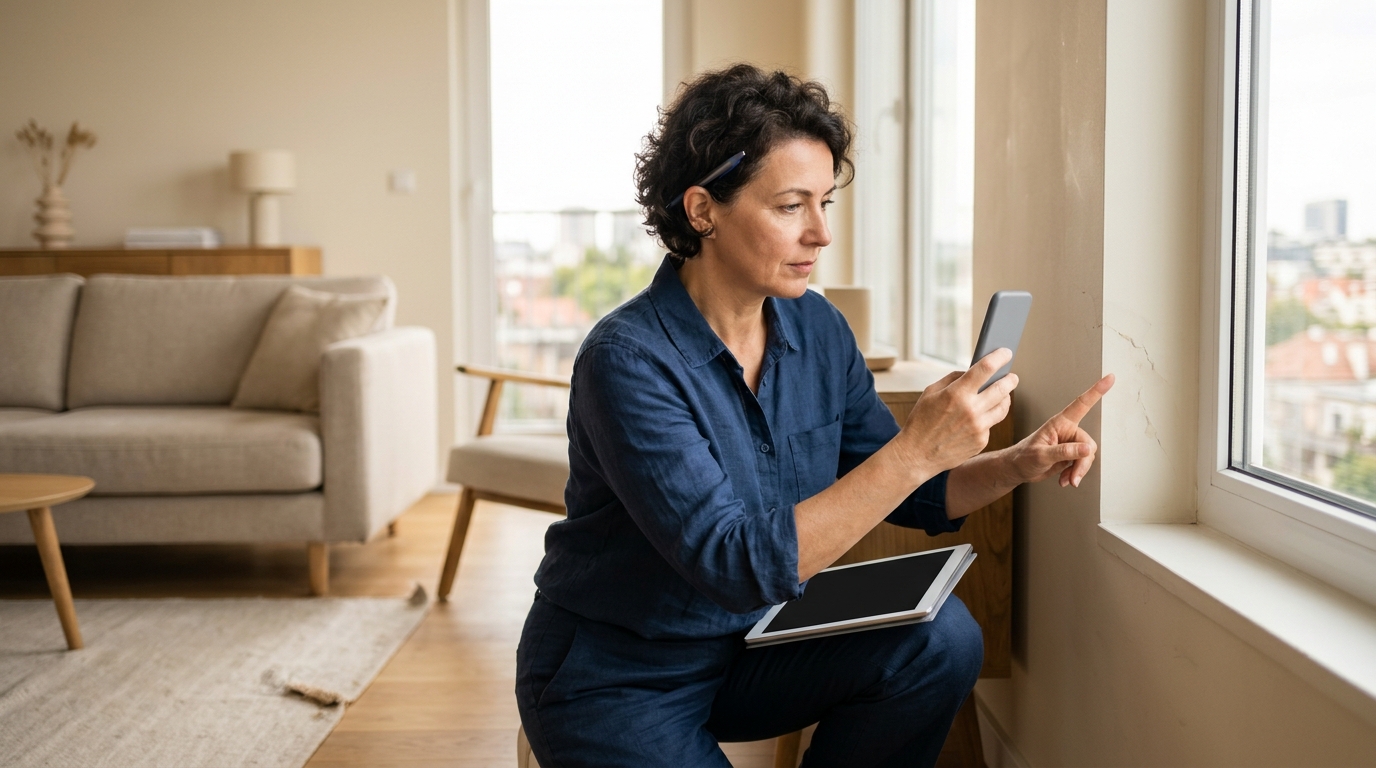
Finding damage to your vacation rental after a guest's check-out is one of the most frustrating moments for any host. However, failing to properly document the property's condition or failing to initiate the claim within the strict required deadline can lead to permanently losing out on the repair costs. Knowing exactly how to claim guest damages on Airbnb makes all the difference between paying for an unexpected expense out of pocket or resolving the incident by maximizing the platform's host guarantees.
Key Takeaways
- Document the property's condition with photos and videos before check-in and right after check-out.
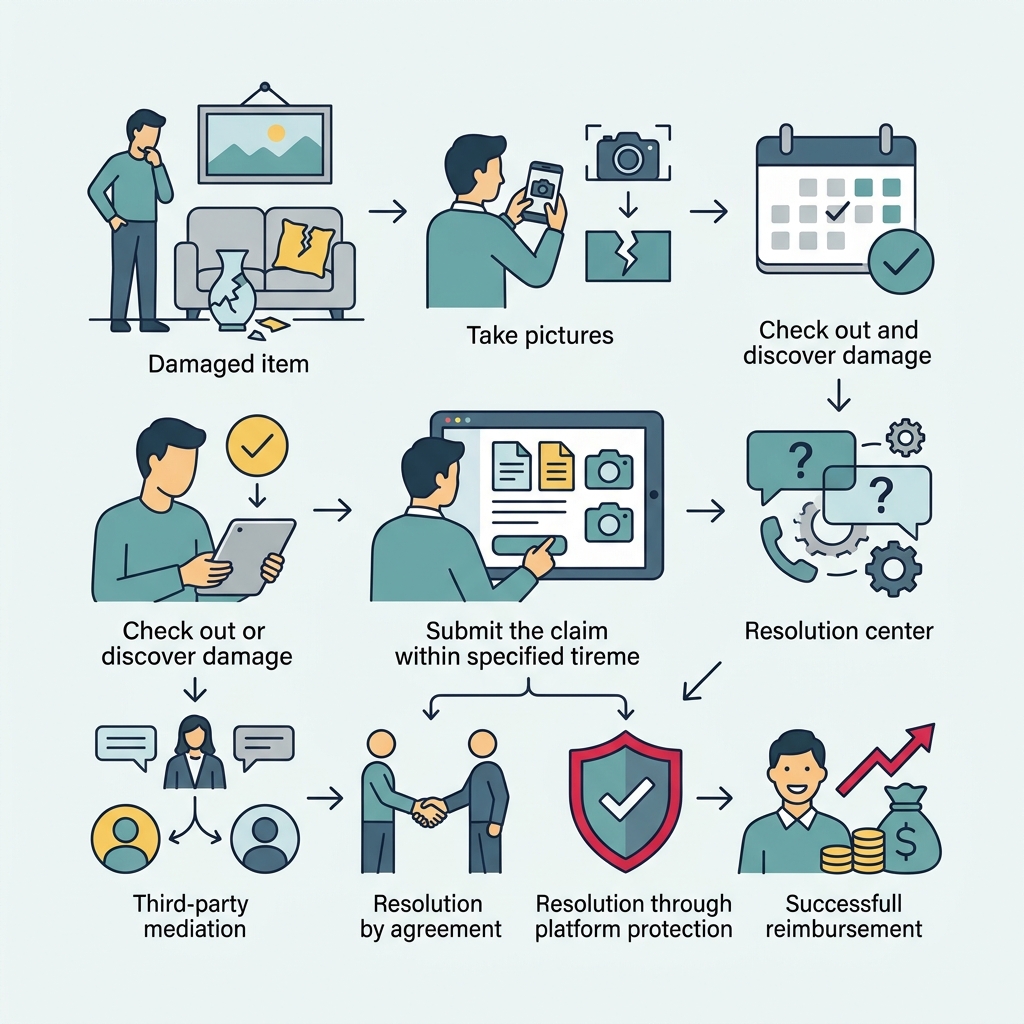
- Submit your request via the Resolution Center within 14 days or before the next guest checks in.
- If the guest refuses to pay within 24 hours, escalate the case to Airbnb Support to activate AirCover protection.
First Step: Gather Irrefutable Evidence
Success when claiming guest damages on Airbnb relies almost entirely on the strength of the evidence provided. Airbnb evaluates incidents based on objective data, making it essential to have clear proof that the damage occurred specifically during that stay rather than from cumulative wear and tear.
To achieve this, the best strategy is proactive documentation. Taking panoramic photos or videos of the property and its most vulnerable items (such as TVs, cooktops, or sofas) immediately before the guest arrives serves as the ideal baseline for any potential dispute.
The Ultimate Deadline
You must submit the claim within a maximum of 14 days after the responsible guest checks out, or before the next guest checks in (whichever comes first). If you have back-to-back bookings on the same day, you must document the damage and open the case during that turnover window.
The Exact Process in the Resolution Center
The actual procedure for claiming guest damages on Airbnb is strictly outlined within the platform. It does not simply involve emailing customer support; it follows a structured mediation workflow where the guest gets the first opportunity to respond.
AirCover in 2026: Understanding Host Protection
When a guest refuses to pay, your claim becomes backed by AirCover for Hosts, the platform's comprehensive protection program. Understanding what this coverage actually includes is vital to knowing which expenses you can incorporate into your claim.
- Structural Damage Coverage for damage to walls, floors, windows, or doors caused directly by travelers.
- Belongings and Property Damage Reimbursement for broken furniture, appliances damaged through misuse, or stolen decorative items.
- Pet Damage Specific compensation if pets scratch upholstery, chew furniture, or damage floors.
- Loss of Income Airbnb compensates for future bookings you have to cancel due to severe damage caused to your listing.
The Role of Estimates and Invoices
Evaluating damage on Airbnb is not based on subjective host estimates or ballpark sentimental values. For the support team to process and approve a financial payout via AirCover, the cost of the damage must be thoroughly justified with documentation.
It is imperative to prove how much it costs to restore the property to its original condition or replace the damaged item with one of comparable quality.
- Replaceable items. Provide direct links to reputable online retailers where the Airbnb representative can verify the current price of an identical or very similar item (bedding, cookware, small appliances).
- Complex repairs. Request formal quotes or estimates (featuring the company's letterhead and tax ID) from licensed contractors (plumbers, carpenters, painters) itemizing material costs and labor hours.
- Depreciation calculation. If a guest breaks a TV purchased five years ago, Airbnb will not pay for the latest model. You must provide the original purchase invoice so the platform can apply the appropriate depreciation for age and wear.
Claims for Deep Cleaning
Knowing how to claim guest damages on Airbnb also covers situations where the property is left in an excessively filthy state that goes far beyond the normal wear and tear of a vacation stay. While hosts already collect a cleaning fee from travelers, that amount is intended only for standard turnover service between bookings (sweeping, mopping, changing linens, sanitizing bathrooms).
If you encounter extreme scenarios—such as vomit on upholstery, persistent biohazards, or heavy smoke odor permeating curtains when smoking was prohibited—you can request an additional reimbursement for extraordinary cleaning.
For this claim to succeed, you must document the abnormal mess with photos and, most importantly, provide an itemized invoice from a cleaning company. This invoice must break down the extra hours worked or surcharges for specialized equipment (such as hot-water extraction machines or ozone treatments).
Difference Between Cleaning and Damage
Airbnb strictly distinguishes between excessive dirt (which can be resolved through extra cleaning hours) and actual damage (such as a rug with a burn or an indelible stain that cannot be cleaned and must be replaced). Make sure you categorize the issue correctly from the start when submitting your request.
Frequently Asked Questions
How much time do I have to initiate a claim on Airbnb?
Current rules in 2026 require you to document the damage and submit the official reimbursement request through the Resolution Center within a maximum of 14 days after the responsible guest's check-out, or before the next guest checks in (whichever happens first).
What happens if the guest ignores my money request?
Once you submit the initial request, the traveler has exactly 24 hours to accept payment, make a counteroffer, or decline it. If they do not respond within those 24 hours, Airbnb's system will provide a button allowing you to escalate the case directly to the support mediation team and activate your coverage.
Does AirCover cover every single type of issue?
While AirCover offers extensive protection against property damage, lost booking income, and unexpected deep cleanings, it specifically excludes ordinary wear and tear from normal use of the property (such as light scuffs on hardwood floors from walking or minor cushion fading). It also does not cover cash or undocumented valuables.
Can I use video recordings as valid evidence for Airbnb?
Yes, videos are not only valid but serve as excellent evidence to demonstrate whether certain items work properly. Video is the best way to prove that an appliance no longer powers on, that a lock has been tampered with, or that a bed frame is cracked and squeaks due to excessive weight. Always make sure to take continuous, uncut footage immediately after check-out.