Electronic Lock for Tourist Apartments | Raixer
Optimize the management and security of your vacation rental with electronic locks. Remote access control, autonomous check-in, and more. Discover Raixer's solutions!
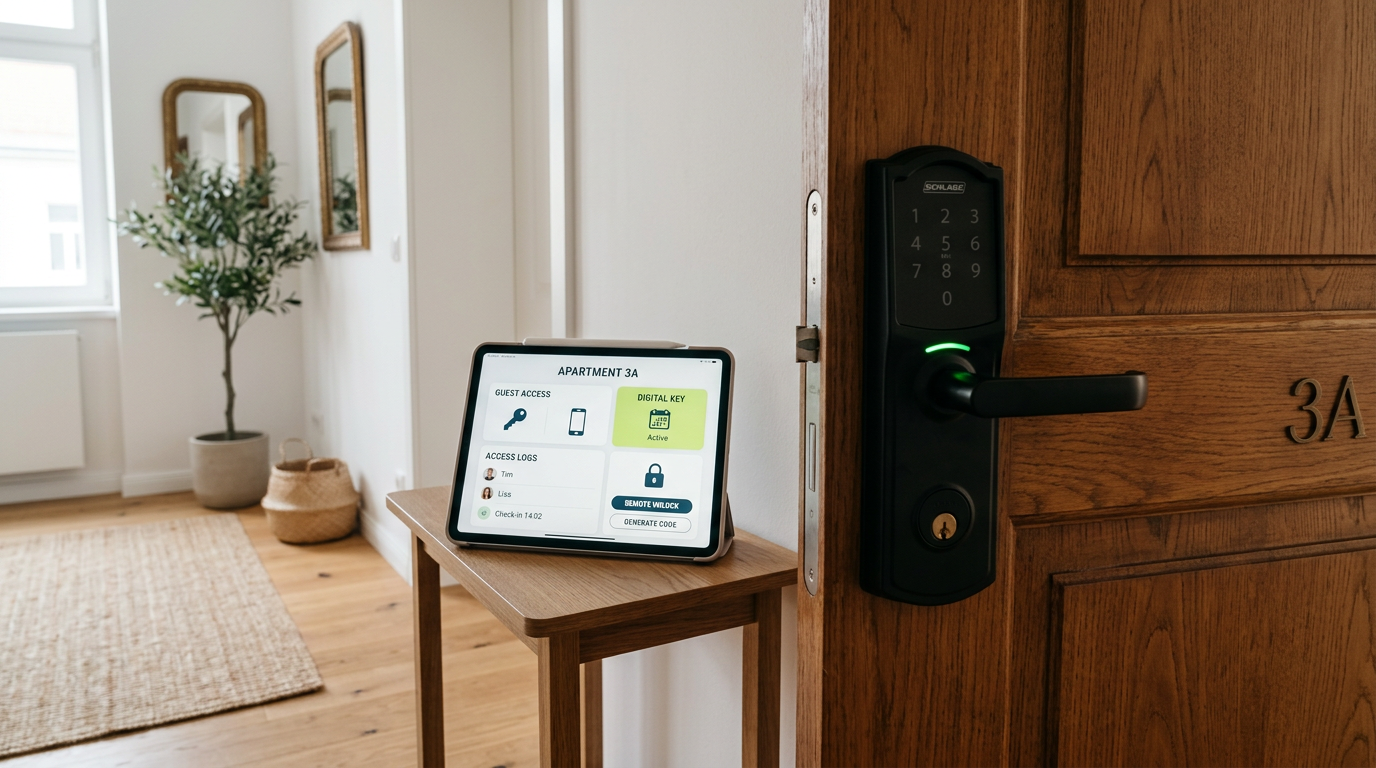
Managing tourist apartments demands efficiency, security, and a seamless guest experience. In this context, implementing an electronic lock for tourist apartments has become an indispensable solution. It goes beyond mere convenience, offering optimized access control, enhanced security, and a significant reduction in manual tasks, allowing hosts to focus on what truly matters: customer satisfaction and the profitability of their business.
The Essentials
- Electronic locks eliminate physical keys, offering remote and temporary access.
- They improve security, reduce check-in/check-out logistics, and optimize management.
- Various types exist (cylinder, escutcheon, surface-mounted) and technologies (Bluetooth, Wi-Fi, Zigbee, Z-Wave, Matter).
- Installation is key, and it's essential to choose robust solutions like those offered by Raixer.
Electronic Lock for Tourist Apartments: Security and Efficiency in Management
The adoption of an electronic lock for tourist apartments represents a fundamental evolution in the administration of properties intended for vacation rental. Faced with the challenges of managing multiple physical keys, coordinating deliveries and collections, and ensuring post-stay security, these digital solutions offer considerable relief. They allow owners and managers to operate with greater flexibility, automation, and, most importantly, enhanced security.
The vacation rental market is increasingly competitive, and the guest experience is a key differentiator. A smart access system eliminates friction from the outset, allowing for autonomous and flexible check-in, adapting to each traveler's arrival times without the need for physical presence. This not only improves customer satisfaction but also frees up valuable time and resources for hosts.
Consider the Installation
Before choosing, verify the lock's compatibility with your current door (thickness, cylinder type, backset, etc.) and whether professional installation is required.
Connectivity Technologies in Smart Locks
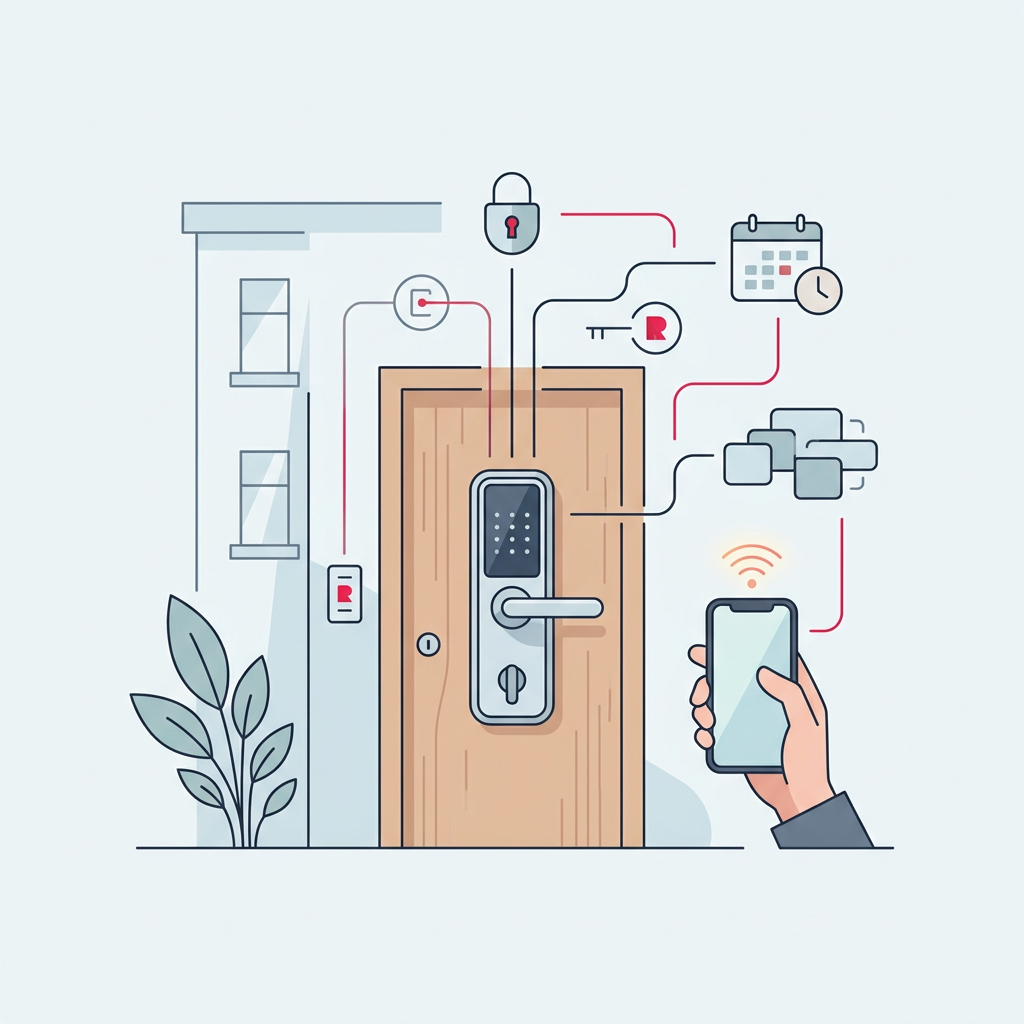
The ability of an electronic lock to communicate and be managed remotely is crucial. Various technologies enable this connectivity, each with its own characteristics:
Bluetooth Low Energy (BLE)
Allows short-range communication between the lock and a smartphone or a nearby hub. It is energy-efficient, ideal for direct activation by the guest via a mobile application. For full remote management, it often requires a gateway or bridge to connect the lock to the apartment's Wi-Fi network.
Wi-Fi
Locks with integrated Wi-Fi connect directly to the apartment's wireless network, allowing full remote control without the need for additional hubs. They offer great convenience but tend to have higher battery consumption, requiring an optimized hardware design or more robust power sources.
Zigbee and Z-Wave
These are low-power wireless communication protocols specifically designed for smart device networks (IoT). They create a mesh network where each device can act as a repeater, extending the range and reliability of the signal. They require a gateway or central controller to interact with the home network and the internet. They are very stable and secure, with low energy consumption.
Matter
The Matter standard is the new unified connectivity protocol for the smart home. It seeks interoperability between devices from different manufacturers, simplifying setup and use. Matter-compatible locks promise more seamless integration with ecosystems like Google Home or Alexa, offering greater flexibility and future compatibility.
Other Technologies
- RFID/NFC: For the use of proximity cards or wristbands, common in hotels or for cleaning staff.
- Keypads: Allow access via PIN codes, very popular in tourist rentals for their simplicity and not requiring a smartphone.
- Proprietary Frequencies (e.g., 868MHz): Some locks use specific radio frequencies for greater security or to optimize range and energy consumption in specific contexts.
Key Features for Tourist Apartments
Beyond opening and closing, an electronic lock for tourist apartments must offer a set of features that optimize management:
Temporary Code Generation
The ability to create unique access codes for each guest, valid only during their stay, is fundamental. These codes can be automatically sent by email or SMS before arrival.
Remote Access Management
From a web platform or a mobile application, the manager must be able to create, modify, and delete accesses, as well as verify the lock's status (open/closed) in real time.
Opening History
A detailed record of all openings and closings, including who accessed and when, is invaluable for security and resolving potential incidents.
Integration with PMS and Channel Managers
Automatic synchronization with property management software (PMS) and channel managers is key to automating access creation upon reservation confirmation and its cancellation at the end of the stay. This reduces errors and manual workload.
Compatibility with Voice Assistants
Some locks offer integration with assistants like Alexa or Google Home, which can be a plus for certain guest profiles or for general apartment home automation.
Activity Notifications
Real-time alerts about unauthorized openings, low battery, or tampering attempts increase owner peace of mind.
The flexibility in access management and the inherent security of temporary codes transform the operation of any tourist apartment.
Criteria for Choosing the Best Electronic Lock
When selecting a smart lock for your property, consider the following points:
- Security: Ensure the lock has security certifications, robust encryption for communication, and an anti-tamper design.
- Reliability and Durability: Look for reputable brands with quality components and warranties. The lock will be in constant use.
- Installation Type: Evaluate whether you prefer a simple installation (cylinder replacement) or a more complex one (mortise), and if you need professional assistance.
- Connectivity: Decide if you need direct Wi-Fi connectivity or if a system with a gateway (BLE, Zigbee, Z-Wave) better suits your infrastructure.
- Battery Life: Check the estimated battery life and the low battery notification system.
- Features: Prioritize the features that add the most value to your management (temporary codes, history, PMS integration).
- Technical Support: Good customer service and technical support are crucial for any incident.
- Scalability: If you manage multiple properties, ensure the solution allows for centralized and efficient management.
Attention to Compatibility
Not all locks are universal. Measure your door and the current cylinder/lock type to ensure a compatible purchase.
Integration and Raixer Ecosystem
At Raixer, we understand the specific needs of the tourist rental sector. Our electronic lock solutions are designed to offer maximum security, reliability, and ease of use, for both the manager and the guest. From cylinder locks to surface-mounted systems, we adapt to different door types and requirements.
Our platform allows for centralized and remote management of all accesses, with the ability to generate temporary codes, consult histories, and receive real-time notifications. Furthermore, we integrate with the main PMS and channel managers on the market, automating processes and freeing managers from repetitive tasks.
For those looking for a comprehensive access control solution, we invite you to explore our options, including the lock for tourist apartments, which not only guarantees security but also optimizes the entire check-in, stay, and check-out operation, providing a 5-star experience for guests.
The Future of Access Management in Tourist Accommodations
The vacation rental market will continue to evolve, and with it, guest expectations. The trend points towards greater automation, personalization, and a frictionless experience. Electronic locks, in this scenario, are not just a bonus, but an essential component of modern and efficient management.
The continuous improvement in technologies like Matter and integration with broader management systems, including noise sensors or smart thermostats, will allow for even smarter and more proactive tourist apartment management, raising the standard of quality and security for hosts and guests alike.
Frequently Asked Questions
Is an electronic lock secure for a tourist apartment?
Yes, modern electronic locks offer a high level of security. They use advanced encryption for communication, temporary access codes that expire automatically, and activity logs that show who accessed and when. Additionally, they eliminate the risk of physical keys being copied or lost.
What happens if the power goes out or the internet connection fails?
Most electronic locks are battery-powered and do not rely on mains electricity for their basic operation. If the internet connection fails, already programmed codes will continue to work locally. Many also offer a backup access method, such as a mechanical emergency key or an external battery for an emergency jump start.
Can I install an electronic lock on any type of door?
Not on all of them. Compatibility depends on the type of door (wood, metal, PVC), its thickness, the type of existing lock (European cylinder, Swiss profile, etc.), and if there is space to install the mechanism. It is essential to check the manufacturer's specifications and, if necessary, consult with a professional installer.
How are access codes delivered to guests?
Access codes can be generated automatically after booking and sent to the guest via email, SMS, or through the lock's/management platform's mobile application. Generally, they are sent a few days before check-in, along with access instructions.
How long do electronic lock batteries last?
Battery life varies depending on the model, frequency of use, and connection technology (Wi-Fi typically consumes more). Generally, it ranges from 6 months to over a year with normal use. Locks usually provide advance warning when batteries are low to allow for replacement.