A Coruña Tourist Tax: Guide and Management for Accommodations
Learn how to manage the A Coruña tourist tax in your accommodation. Understand regulations, avoid penalties, and automate collection easily. Find out now!
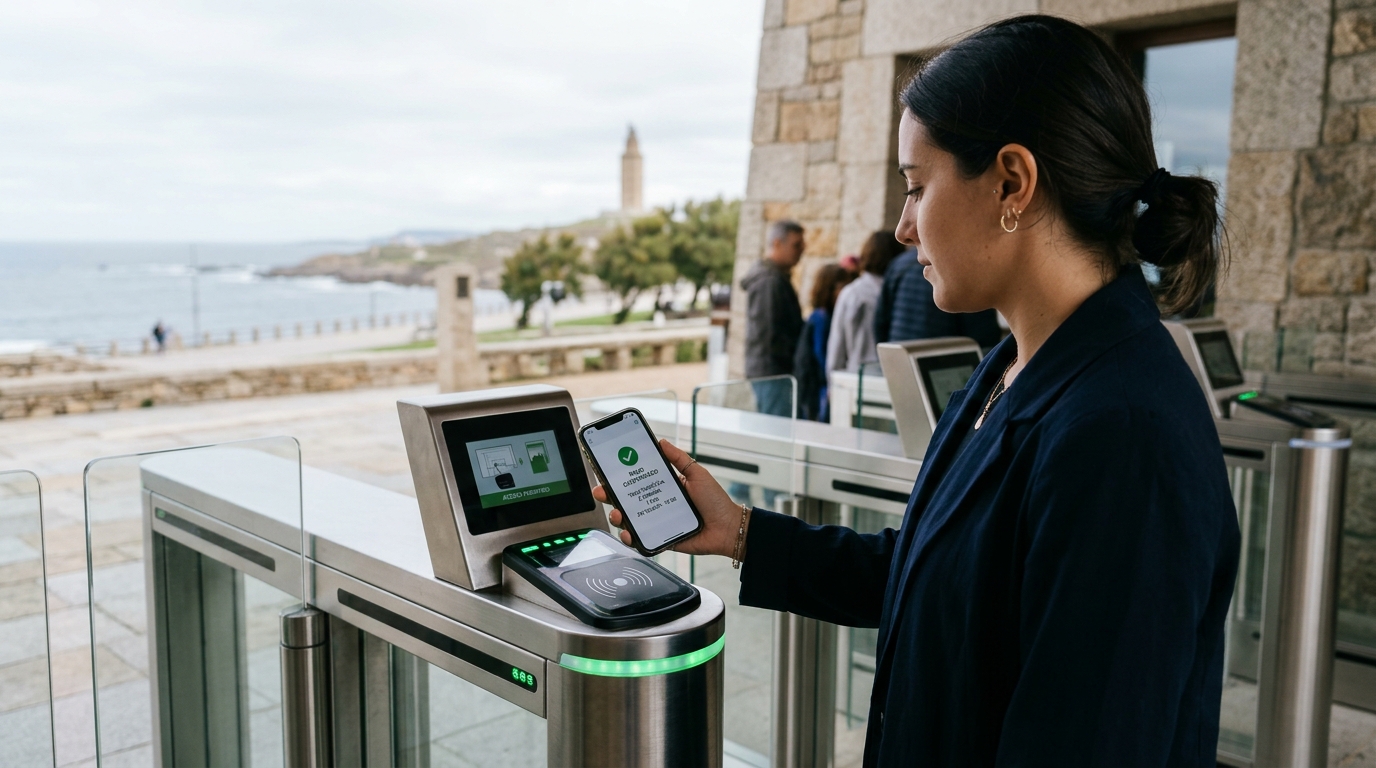
The entry into force and implementation of the A Coruña tourist tax has substantially transformed how vacation rental managers and property owners handle their bookings. This tax, designed to balance the impact of tourism on the city, fund destination promotion, and improve local infrastructure, adds a new layer of accounting and administrative responsibility for holiday rentals (VUT), hotels, guesthouses, and regulated apartments. Thoroughly understanding its mechanics, settlement deadlines, and collection methods is essential to avoid tax penalties and ensure that the guest experience is not hindered by last-minute bureaucracy.
Key Takeaways
- Regulations require collecting the tax from all adult guests staying overnight in regulated tourist accommodations.
- The amount must be collected separately from the room rate and clearly displayed on the final invoice.
- Automating settlement by linking it to access control eliminates friction and ensures 100% payment compliance.
What the A Coruña Tourist Tax Is and Who It Affects in 2026
The tourist tax is a regional or municipal levy applied directly to overnight stays in tourist establishments. Unlike VAT, which taxes the provision of accommodation services, this tax is earmarked: its revenues are entirely dedicated to mitigating negative externalities stemming from high tourism pressure, preserving historical heritage, and improving urban public services.
Under the 2026 regulatory framework, the obligation to collect this tax falls directly on the operator of the accommodation. This means that whether you manage a holiday apartment, a boutique hotel, or an apartment building in the city, you automatically become a collection agent for the public administration. Regardless of whether the booking originates from Airbnb, Booking.com, Expedia, or direct bookings through your own website engine, the responsibility to ensure the tax is collected and remitted to public coffers belongs to you.
All visitors staying overnight within the municipality are subject to paying this fee, with a few specific and regulated exceptions, such as long-term stays for medical treatment, minors under a certain age, or documented forced relocations due to force majeure.
Conditional Payments
Industry best practice is not to authorize entry to the property or send check-in instructions until the payment gateway confirms that the tourist tax has been settled in full.
Automation: Linking Payment to Access Control
The real leap forward in managing the A Coruña tourist tax occurs when fiscal compliance is integrated with smart apartment home automation. Requesting payment via email often results in guests forgetting, ignoring it, or promising to pay later—causing significant strain on customer support teams who end up chasing travelers during their stay.
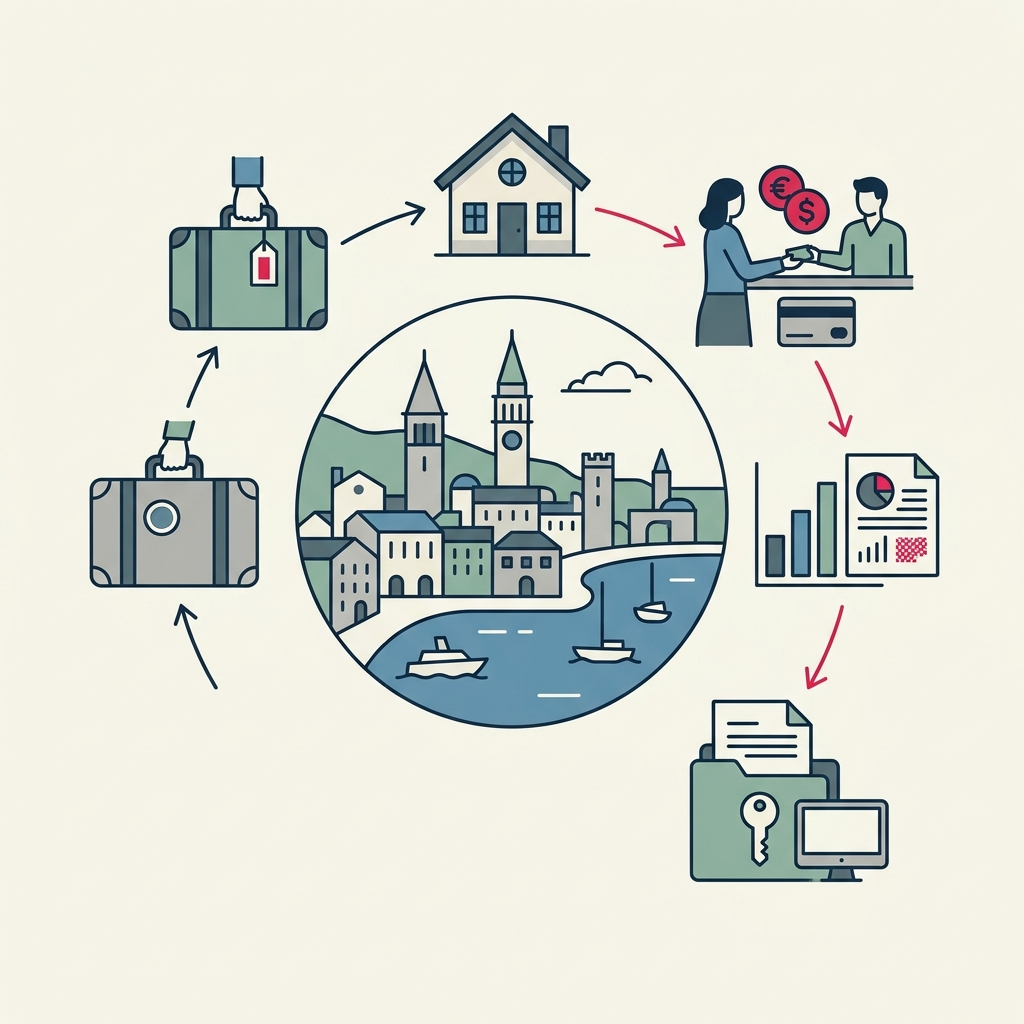
The technical solution involves creating an ecosystem where the Property Management System (PMS) functions as the central brain and communicates via API with the property's access control. In this scenario, the software logic is seamless yet clear for the end user.
When a guest completes the online check-in form and the payment gateway verifies the tax collection, the PMS sends an immediate webhook to the cloud access control system. At this stage, specialized devices such as a smart lock for holiday rentals from Raixer receive the command to generate a unique PIN code or activate Bluetooth (BLE) access valid exclusively for the booking dates. If the traveler arrives at the door without having completed payment, the access code simply will not exist, prompting them to complete the process on their smartphone right then and there. This ensures that 100% of taxes are collected without human intervention, protecting operating margins and eliminating unpaid fees.
Full automation not only removes administrative overhead, but transforms a cumbersome tax requirement into a smooth, frictionless step within the guest's digital journey.
Penalties and Consequences of Non-Compliance
Tax authorities have significantly expanded inspection campaigns and large-scale data matching to detect fraud in the collection of tourist taxes. Local agencies systematically cross-reference traveler registration reports submitted to state law enforcement with the quarterly tax returns filed by property owners. Any discrepancy triggers an alert in their systems immediately.
The consequences of failing to comply strictly with the A Coruña tourist tax regulations are severe. Failing to collect the tax constitutes a serious tax offense, as the operator is withholding funds that belong to the public treasury. Sanctions range from financial fines proportional to undeclared amounts to surcharges for late filing, and even—in cases of repeat violations or deliberate evasion—the temporary suspension of the property's tourist license.
Beware of Absorbing the Cost
Never treat the tax as an operating expense by absorbing it yourself without itemizing it on the guest invoice. The law mandates that it must be charged explicitly to the traveler. Absorbing it covertly violates unfair competition rules as well as tax regulations.
Communication Strategies to Prevent Negative Reviews
One of the biggest concerns for Property Managers is that additional fees might frustrate guests, leading to negative reviews on platforms like Airbnb or Booking.com. The key to mitigating this is radical transparency. Today's travelers are accustomed to paying city taxes across major European destinations; what truly damages the review score is the perception of a "hidden fee" they were not warned about.
To reduce friction, disclose the tourist tax in the very first lines of your listing's public description. Following that, your automated booking confirmation message should state clearly that guests will receive a secure link a few days before arrival to complete legal check-in and pay the municipal tax, clarifying that this is a legal requirement from local authorities rather than a fee imposed by the host.
Delivering this message with a formal, professional tone well before check-in eliminates any element of surprise. Furthermore, processing payment through reputable digital gateways reassures guests regarding the security of their payment details, building trust before they even step through the front door.
Frequently Asked Questions
Are children exempt from paying the tourist tax?
Yes, regulations generally state that minors (typically under 16 or 18 years of age, depending on the specific ordinance in effect) are fully exempt from the tourist tax. However, the property manager must record their date of birth and keep a copy of their identity document to substantiate this exemption during a potential tax audit.
What happens if a business traveler refuses to pay the tax?
The tax applies regardless of the purpose of travel—whether tourism, business, or study—unless an explicit statutory exemption applies. If a guest refuses to pay, the host has both the right and the legal duty to deny access to the property, as admission to regulated accommodation is contingent upon full compliance with house rules and prevailing laws.
Should I charge VAT on top of the tourist tax?
No, the tourist tax is a government levy and does not form part of the taxable base of accommodation services. Therefore, VAT should not be applied to the tourist tax amount. On the invoice issued to the traveler, the accommodation and extra services will display their respective VAT rates, while the tourist tax line item will appear tax-exempt.
Can I collect the tourist tax in cash upon arrival?
Technically yes, the law does not prohibit cash payments, but it requires providing a valid official receipt or invoice immediately upon collection. From an operational standpoint, cash collection is strongly discouraged due to cash management risks, the need to provide change, and the inability to automate self check-in, drastically driving up business operating costs.
Who pays the tax if a guest cancels their reservation at the last minute?
The tax is incurred solely by the taxable event of an actual overnight stay. If a traveler cancels their booking and never physically stays at the property, no overnight stay occurs and there is no obligation to remit the tax. If it was collected in advance during online check-in, the full tourist tax amount must be refunded to the guest.