How to Manage an Airbnb Remotely: 10 Keys to Success
Discover how to successfully manage an Airbnb remotely. Automate your property, enhance security with smart locks, and optimize the guest experience. Start today!
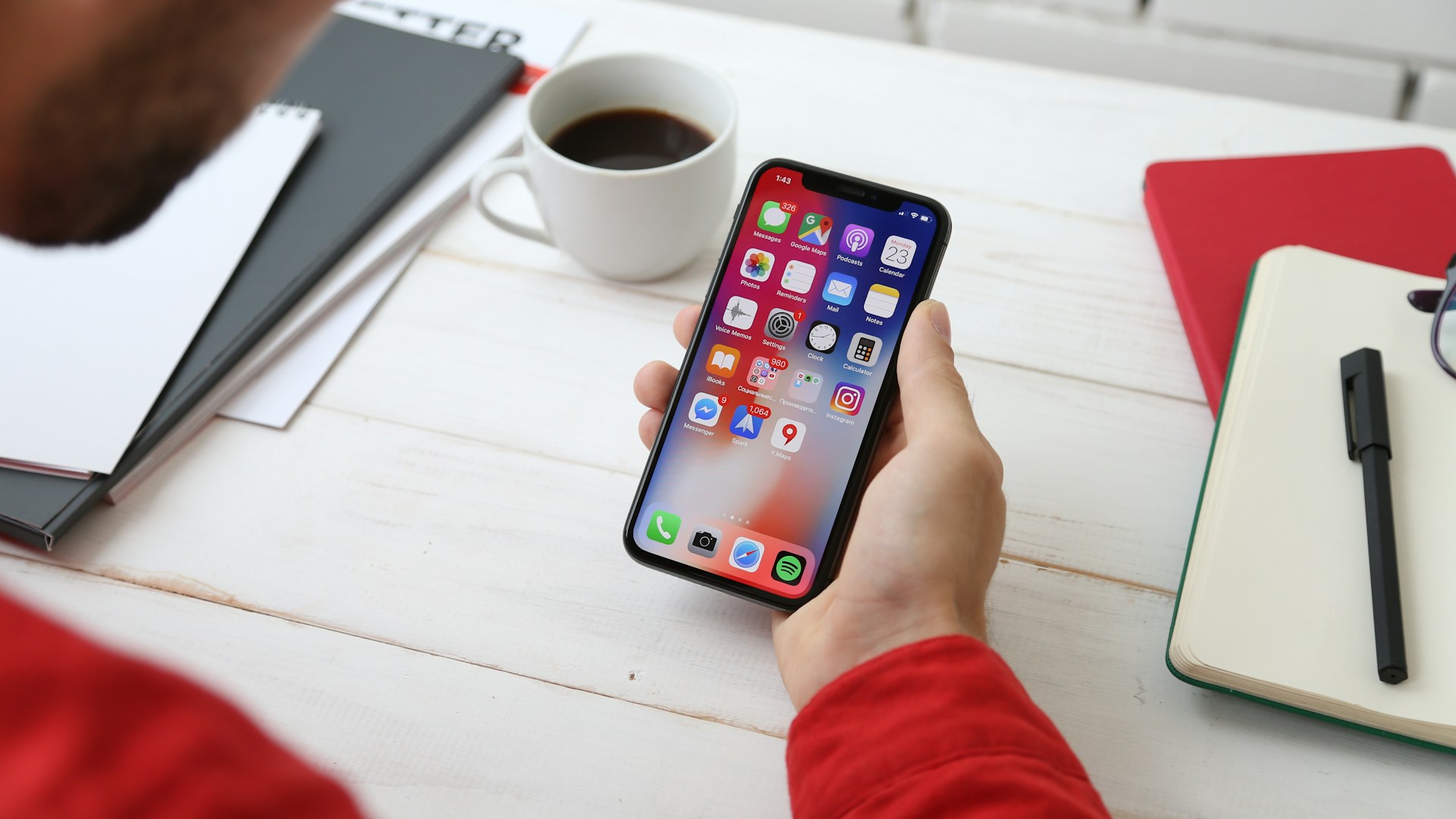
Are you considering managing your Airbnb from another city or even another country? With the rise of remote work—which will account for almost a quarter of global employment by 2025—more and more hosts are looking for ways to control their vacation rentals remotely without compromising service quality.
The good news is that yes, it is entirely possible. With the right combination of technology, organization, and trusted collaborators, you can manage your property as if you were there, and even automate many tasks that previously required your physical presence.
Below, we explore the advantages of this modality and the fundamental keys to successfully managing it from anywhere in the world.
Advantages of managing an Airbnb remotely
In addition to the obvious convenience, remote management of a tourist accommodation offers multiple strategic benefits:
- Geographic freedom: You can live wherever you want or travel while your business continues to operate.
- Time savings: You automate repetitive tasks, allowing you to focus on growth or enjoy your free time.
- Improved professionalization: It forces you to structure processes, use digital tools, and optimize the guest experience.
- Greater scalability: If your goal is to manage several accommodations, it is easier to do so with an efficient remote system.
- Greater security: Thanks to solutions like cameras, sensors, and smart locks, you can have remote visibility and control.
Now, let's look at the 10 pillars for effective and profitable management.
1. Centralize operations with management software
Having a PMS (Property Management System) is one of the first steps to professionalize and automate your Airbnb. This system centralizes key operations: bookings, payments, calendars, communication, cleaning, and more.
Key advantages:
- Automatic calendar synchronization across multiple platforms.
- Message templates to improve communication.
- Integration with payment gateways and invoice automation.
- Management of internal tasks (cleaning, maintenance).
- Total visibility from a single platform, ideal for managing everything from your mobile.
2. Connect with a channel manager to avoid errors
If you are on multiple platforms (Airbnb, Booking, Vrbo, etc.), a channel manager is essential. This tool updates prices and availability in real-time across all your sales channels, preventing overbookings or discrepancies.
Key benefits of a channel manager:
- Less manual work.
- Lower margin of error.
- Higher occupancy and control over pricing strategy.
Many PMS already include this function, so it is advisable to choose one that integrates it.
3. Automate guest communication
Quick and clear communication with guests is crucial for receiving good reviews. But doing it manually, at all hours, is not feasible.
Suggestions for automation:
- Automatic welcome messages, check-in instructions, and post-stay thank you notes.
- Customizable templates with guest name and booking details.
- AI-powered tools that help answer frequently asked questions in real-time.
- Notifications for you and your team if there are incidents or delays.
This not only eases your operational burden but also conveys professionalism to the traveler.
4. Install a smart lock for contactless check-in
One of the biggest challenges of remote rental is key handover. That's why smart locks like those from Raixer have become an ideal solution for hosts who want to manage everything from their mobile.
Advantages of Raixer smart locks:
- Access via PIN, NFC, mobile app, or remote control.
- Temporary codes for each booking (automatically deleted).
- Entry log for added security.
- Possibility of integration with virtual assistants and management platforms.
- Savings on key duplication and travel.
Furthermore, Raixer allows scheduled and secure access for cleaning or maintenance staff, preventing misunderstandings or unauthorized access.
5. Implement home automation to improve the experience
Home automation technology not only facilitates remote control but also improves comfort and reduces costs.
Useful devices:
- Smart thermostats: programmable and adjustable from your mobile.
- Remotely controlled lighting.
- Motion, smoke, or humidity sensors (Raixer offers motion and noise sensors).
- Outdoor cameras (complying with legal regulations).
A smart system anticipates problems, reduces energy consumption, and contributes to a premium experience.
6. Create a digital welcome guide
A good digital guide resolves 80% of common guest questions, improves their autonomy, and reduces unnecessary messages.
Include in your guide:
- How to access, connect to WiFi, and use appliances.
- Basic rules of coexistence and use of the accommodation.
- Contact for emergencies or incidents.
- Personalized recommendations for restaurants, shops, or transportation.
- Practical information about the neighborhood (supermarkets, pharmacies, etc.).
You can use tools like Notion, Canva, Google Sites, or even specific apps to create a visual and attractive guide.
7. Automate cleaning and maintenance
Remote management is not possible without a good local team. Cleaning and maintenance staff must be well-coordinated and have clear instructions.
Best practices:
- Calendar linked to the PMS or channel manager.
- Apps like Turno or Breezeway to assign tasks and follow up.
- Photographs of the apartment's condition after each cleaning.
- Lists of products to replenish (toilet paper, coffee pods, soap, etc.).
Do not underestimate the importance of cleanliness: it is one of the most valued factors by guests.
8. Comply with local regulations
Remote management does not exempt you from complying with the legislation of the location where your accommodation is situated.
Review aspects such as:
- Tourist registration and required licenses.
- Coexistence regulations in residential communities.
- Tax and invoicing obligations.
- Occupancy rules and rental day limits.
You can rely on local advisors or official portals to stay updated. Ignoring regulations can lead to serious penalties.
9. Have a trusted co-host
A local co-host can be key to resolving emergencies, receiving suppliers, or assisting in special cases.
What to consider:
- Sign a clear agreement with roles, schedules, and profit percentage.
- Provide them with access to the management platform and internal guides.
- Choose someone who shares your customer service values.
Having a physical person in the area provides peace of mind and improves guest attention.
10. Create a local support network
In addition to a co-host, surrounding yourself with trusted professionals (plumber, electrician, locksmith, etc.) is essential to resolve unforeseen events.
How to create this network:
- Ask other hosts for references.
- Establish agreements on availability and payment for intervention.
- Save their contacts in your internal guide.
- Consider alliances with local businesses to offer experiences to guests.
Having this active network will allow you to react quickly no matter where you are.
Managing an Airbnb remotely is not only possible but can also be more efficient and profitable if you implement the right resources. Automating processes, relying on technology—such as Raixer smart locks—and building a solid support team are key to ensuring success.
With planning, digital tools, and a proactive approach, you can enjoy a tourism business that runs on autopilot… from anywhere in the world.