Unique Accommodations: How Access Technology Transforms the Guest Experience
Boost bookings & satisfaction! Discover how smart access technology enhances security, operations, and guest experience in unique accommodations. Learn more!
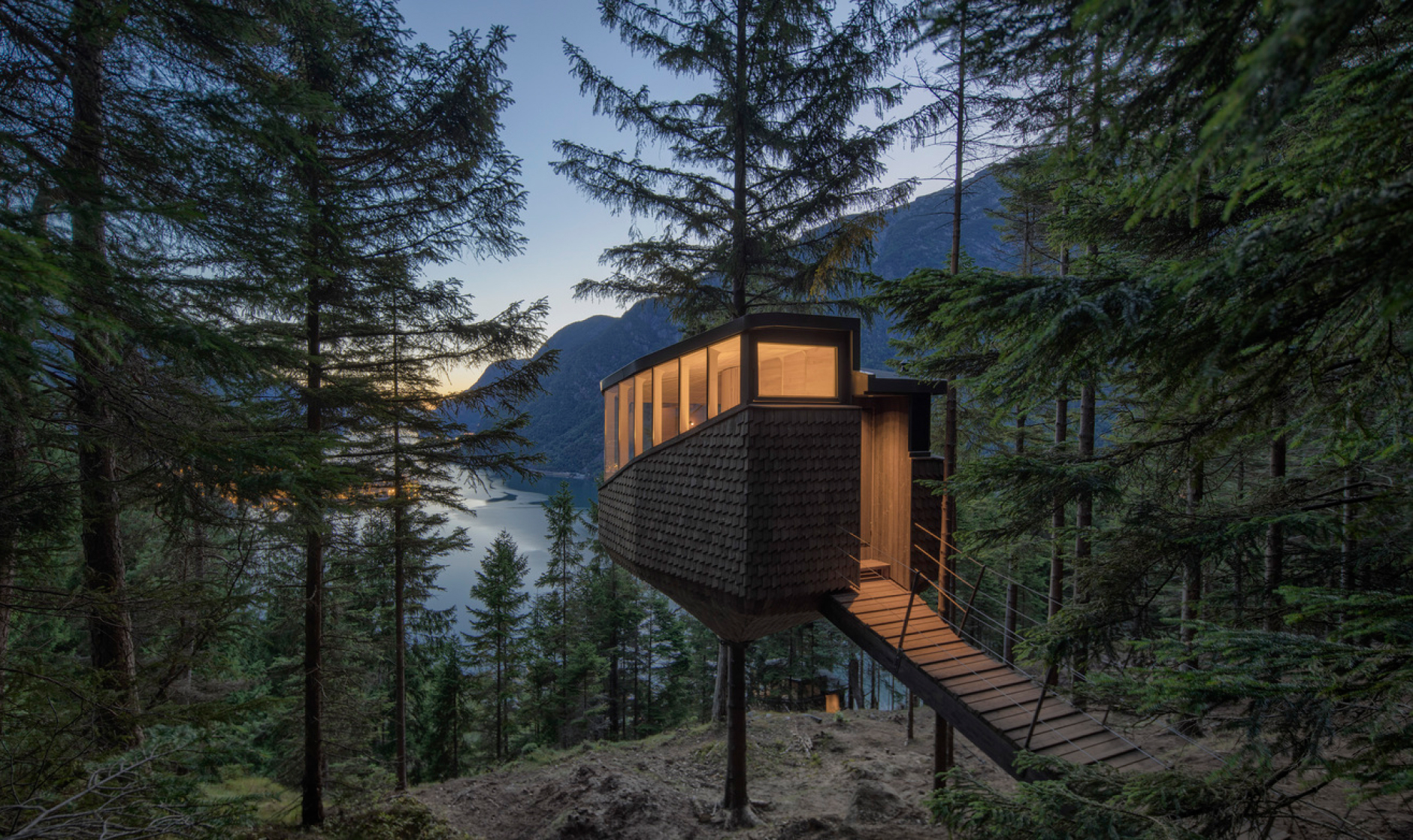
Travellers seek unique experiences that combine comfort, security, and technology. Singular accommodations—treehouses, boats, remote cabins, or urban lofts—need innovative solutions to offer memorable stays.
Smart access technology not only enhances security but also optimises operational management and enriches the guest experience. According to AirDNA 2024, accommodations that integrate digital access systems increase their bookings by up to 20% and guest satisfaction rises by 25%.
In this article, we will examine real examples, statistics, and how to implement access technology along with other smart solutions in singular accommodations.
1. Treehouses: Security and Connectivity in Nature
Treehouses offer immersive experiences but present logistical and security challenges. The solution: smart locks and digital connectivity.
Applied technology:
- Temporary codes for guests and cleaning staff.
- Mobile apps for remote control.
- Door sensors that notify openings or tampering attempts.
Real example: Treehotel, Sweden, combines digital locks with door sensors, allowing real-time access monitoring and irregularity detection without compromising the guest’s natural experience.
Benefits:
- Total access control without physical keys.
- Immediate alerts for unauthorised openings.
- Integration with lighting systems to guide guests in the dark.
2. Boats: Technological Integration in Mobile Environments
Boats require secure and flexible access solutions. Digital locks connected to Wi-Fi or LTE allow hosts to manage entry from any location.
Applied technology:
- Apps with remote control: opening and closing the vessel remotely.
- Temporary permissions: codes for crew, cleaning staff, or suppliers.
- Position and alarm sensors: alert if the vessel moves or there is an intrusion attempt.
Real example: The Moorings implements smart locks with remote monitoring and app-based access control, reducing the risk of intrusions and increasing guest satisfaction.
Benefits:
- Reduction of lost or duplicated key incidents.
- Automatic registration of entries and exits for security and auditing.
- Greater autonomy and flexibility for guests.
3. Remote Cabins: Offline Technology and Efficiency
Cabins in rural areas face connectivity challenges. Advanced technology allows secure and autonomous access without relying on constant internet.
Applied technology:
- Temporary codes stored locally in the lock.
- Opening and temperature sensors integrated to monitor security and comfort.
- Automation of lights and heating upon detecting guest presence.
Real example: EcoCamp Patagonia allows access using temporary codes that work offline, integrated with sensor systems that activate lighting and heating upon entering the cabin.
Benefits:
- Guaranteed security without staff present.
- (Energy saving through automatic activation of systems upon detecting presence.
- Flexibility for last-minute bookings with automatic code generation.
4. Integration with Smart Systems: The Complete Experience
Smart access technology does not work in isolation; its true value is perceived when integrated with other accommodation systems:
- Home automation and energy control: automatic activation of lights, heating, or air conditioning upon guest entry.
- Presence sensors and cameras: discreet security monitoring and resource optimisation.
- Voice assistants: guests can unlock doors and control the environment with voice commands.
- Centralised apps: allow managing multiple properties from a single panel, creating usage reports and occupancy statistics.
Relevant statistic: according to Smart Hospitality Report 2023, 60% of accommodations that integrate smart locks with home automation report reduced energy consumption and increased guest satisfaction.
5. How to Install and Configure Access Technology
Step 1: System Selection
- Autonomous battery-powered locks for cabins or treehouses.
- Wi-Fi/LTE connected locks for boats and urban properties.
- Systems integrable with apps, voice assistants, and additional sensors.
Step 2: Preparation
- Check compatibility with the door.
- Verify signal coverage (Wi-Fi, LTE, or Bluetooth).
- Tools: drill, screwdrivers, caliper.
Step 3: Physical Installation
- Remove traditional lock.
- Install the smart lock following manufacturer’s instructions.
- Adjust mechanism for secure closure.
Step 4: Digital Configuration
- Download the manufacturer’s app.
- Create users, temporary codes, and access schedules.
- Activate notifications and opening alerts.
Step 5: Integration with Other Systems
- Connect with presence sensors, cameras, and lights.
- Configure automation: turning on lights, climate control, or alarms when the door opens.
- Test all functionalities before receiving guests.
6. Technological Benefits for Hosts and Guests
For hosts:
- Reduction of staff and operational costs.
- Remote control and automatic access log.
- Flexibility to manage multiple properties.
- Data to optimise bookings and energy consumption.
For guests:
- Frictionless check-in/out.
- Increased security and privacy.
- Personalised experience: lighting, temperature, and music activated upon entry.
- Access to additional services via temporary codes (pool, gym, or special activities).
7. Examples of Technological Implementation
- Treehotel, Sweden: sensors and smart locks in treehouses.
- The Moorings, Caribbean: remote access control on boats with app and temporary permissions.
- EcoCamp Patagonia: offline codes, presence sensors, and lighting and heating automation.
- Smart cabins in Finland: integration with voice assistants and home automation for personalised experiences.
These cases show how access technology goes beyond security: it becomes a tool to offer unique experiences, optimise resources, and increase guest satisfaction.
8. Future Trends in Singular Accommodations
- Artificial intelligence and personalisation: systems that adjust lighting, temperature, and music according to guests' previous preferences.
- Blockchain and secure access logs: ensuring privacy and traceability of entries and exits.
- Total integration with tourism apps: allowing local experience bookings and access control from a single application.
- Augmented reality for property guides: displaying interactive instructions and guides directly from the app upon entry.
Smart access technology is redefining the experience in singular accommodations. Treehouses, boats, cabins, and urban lofts can combine security, operational efficiency, and comfort thanks to advanced digital systems.
By integrating smart locks with sensors, home automation, mobile apps, and automation, hosts can optimise resources and offer memorable stays. Investing in these solutions not only protects the property but also increases bookings, improves guest satisfaction, and positions the property as innovative and secure in a competitive tourism market.