Remote management of second homes: a complete guide for owners who want total control
Master remote management for your second home in Spain. This guide offers strategies to reduce risks, enhance security, and gain total control. Discover smart solutions now!
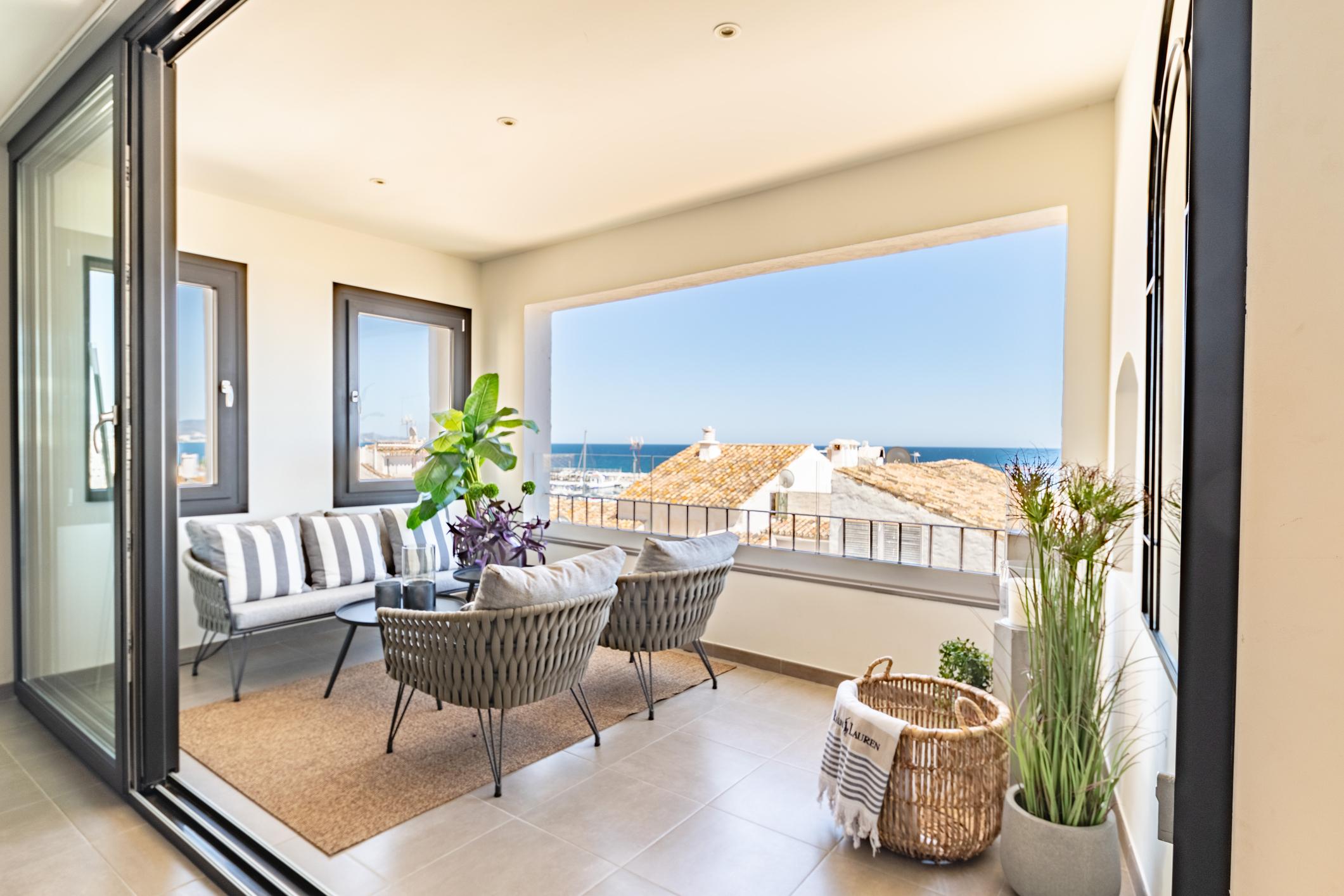
Managing a second home remotely can be straightforward... or it can become a constant source of worry.
In Spain, thousands of owners have properties on the coast, in the mountains, or in a different city from their primary residence. The problem is not owning it. The problem is maintaining control when you are not there.
In this guide, you will find a complete and optimized strategy for remote property management, reducing risks, and professionalizing the administration of your property without relying on physical keys or constant travel.
Why it is important to correctly manage a second home in Spain
Searches such as "how to manage second home remotely", "second home security", or "access control empty property" have increased in recent years for three clear reasons:
- Increased concern about illegal occupation.
- More owners who rent their second home for seasons.
- Greater professional mobility and remote work.
An unsupervised empty property becomes an operational and economic risk. However, with the right tools, it can be managed with the same level of control as an office.
Main risks of an empty second home
Before discussing solutions, we must understand the real risks affecting a second property in Spain.
1. Uncontrolled access
Physical keys can be copied, lost, or left in the hands of former service providers. If you don't know who has a copy, you don't have real control.
2. Illegal occupation
Properties that remain closed for long periods are more vulnerable. Prevention is key.
3. Undetected leaks and breakdowns
A water leak for several days can cause significant structural damage and high costs.
4. Irregular maintenance
Without supervision, small incidents become bigger problems.
5. Coordination with service providers
Cleaning, maintenance, gardening, or repairs require access. Without a clear system, each intervention involves stress.
The solution is not to delegate without control. It is to structure.
How to manage a second home remotely step by step
1. Digitizing access: the starting point
The first step for proper remote second home management is to eliminate reliance on physical keys.
A smart lock allows you to:
- Create temporary codes.
- Limit access by schedule.
- Revoke permissions instantly.
- View entry history.
- Manage everything from a mobile application.
For example, if you need the plumber to access the property on a Tuesday from 10:00 to 13:00, you can generate a code valid only within that time range. When the work is finished, the access automatically disappears.
This not only improves security. It also reduces unnecessary travel and lock changes.
2. Establishing clear access protocols
Technology without structure is not enough.
Define who can enter, when, and with what type of permission:
- Service providers: specific and limited access.
- Cleaning: recurring codes at defined times.
- Family members: permanent access via app or NFC.
- Real estate agency: controlled permissions according to contract.
A professional access control system for homes allows managing each profile without improvisation.
3. Remote supervision and smart monitoring
For efficient second home management, remote supervision is key.
Recommendations:
- Camera at main access.
- Opening sensors.
- Noise sensor.
- Water leak sensor.
- Smart thermostat.
- Video intercom with remote connection.
These solutions help detect incidents before they become costly problems.
Second home management for personal use
If you use your property only for holidays or weekends, the main objective is security and preservation.
Good practices:
- Scheduled monthly inspections.
- Regular ventilation.
- Water shut-off when not in use.
- Limited and controlled access.
- Basic monitoring.
Digitalization avoids relying on neighbours or acquaintances with copies of keys.
Second home management for holiday rentals
If you also rent the property seasonally, the strategy must be more dynamic.
You will need:
- Automatic generation of codes for guests.
- Automatic deletion after check-out.
- Quick access for cleaning.
- Remote management in case of incidents.
- Complete access history.
Automating check-in improves the guest experience and reduces operating costs.
How to prevent illegal occupation in a second home
One of the most frequent searches in Spain is "how to protect my second home from squatters".
Effective measures:
- Do not leave physical keys accessible.
- Install a smart lock.
- Place opening sensors.
- Regular inspections.
- Visible security system signage.
A monitored property with digital access control is less attractive for occupation attempts.
Speed of reaction is key. If you detect anomalous activity, you can act immediately.
Efficient service provider management without travelling
One of the biggest challenges is coordinating work without being present.
Con smart access, you can:
- Send temporary permission.
- Receive an entry notification.
- Confirm departure time.
- Remove access upon completion.
This completely professionalizes the management of your property.
You no longer need to travel to open the door.
Cost reduction due to digitalization
Remote second home management not only improves security. It also reduces expenses.
You save on:
- Lock changes.
- Key copies.
- Urgent travel.
- Time spent on coordination.
- Legal risks arising from uncontrolled access.
Additionally, traceability protects against conflicts with service providers or tenants.
Checklist for correctly managing your second home
Ask yourself these questions:
Do you know exactly who has access today?
Can you remove permissions in seconds?
Do you receive a notification when someone enters?
Do you have sensors for possible leaks?
Is there a defined protocol for service providers?
If the answer is no on several points, your system needs optimization.
Frequent errors in second home management
- Giving copies of keys to too many people.
- Not changing locks after renovations.
- Not documenting access.
- Relying on a single local contact.
- Not inspecting the property periodically.
Digitalization eliminates most of these structural risks.
What a professional access control system for a second home should include
If you are looking for a complete solution, make sure it includes:
- Multiple opening methods (PIN, NFC, mobile app, card).
- Configurable temporary permissions.
- Access history.
- Real-time remote management.
- Operation even in case of connection failures.
- Possibility of integration with other smart devices.
The key is not just opening the door. It is having total control of the access ecosystem.
Real advantages of managing your second home remotely
Beyond technology, the true advantage is mental.
When you have:
- Absolute control of access.
- Immediate reaction capability.
- Remote supervision.
- Defined protocols.
Your property ceases to be a constant worry and becomes a profitable and enjoyable asset once again.
Conclusion: remote management is a matter of system, not luck
Managing a second home remotely in Spain should not involve emergency calls, unexpected trips, or a feeling of vulnerability.
The correct strategy combines:
- Digitalization of access.
- Clear protocols.
- Remote monitoring.
- Automation of permissions.
- Reduced reliance on physical keys.
When you implement this system, you can manage your property from any city or country with complete peace of mind.
Technology already allows it. The difference lies in applying it in a structured way.