How to Start a Glamping Business in Spain: Complete Guide
Discover how to start a successful glamping business in Spain. From financial viability to regulation and marketing. Start your project today!
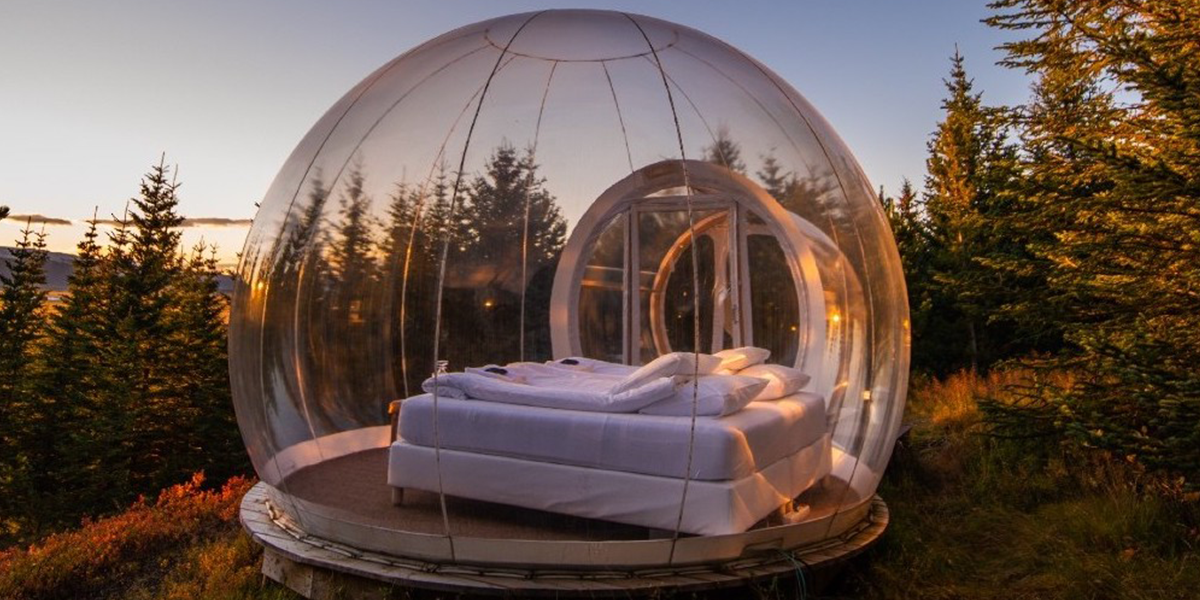
Glamping, a combination of glamour and camping, has completely transformed the traditional idea of camping, turning it into an unforgettable experience even for the most intrepid traveller. In this guide, we will explore all aspects of how to start a glamping business in Spain, from financial viability to regulation and marketing.
What is a Glamping Business?
Glamping, literally, is the combination of the words "glamour" and "camping", also known as luxury camping. For many, the idea of camping can evoke memories of being cold and wet in the middle of nowhere with few to no amenities. However, glamping has completely revolutionised this idea, turning it into an unforgettable experience even for the most intrepid traveller.
Imagine being surrounded by nature and tranquillity while having access to the comforts of luxury accommodation. Guests can explore the outdoors and enjoy various activities, from hiking to stargazing, before relaxing in a hot tub and sleeping in comfortable beds.
Discover How to Start a Glamping Business in Spain: Complete Guide
Glamping, a combination of glamour and camping, has completely transformed the traditional idea of camping, turning it into an unforgettable experience even for the most intrepid traveller. In this guide, we will explore all aspects of how to start a glamping business in Spain, from financial viability to regulation and marketing.
What is a Glamping Business?
Glamping, literally, is the combination of the words "glamour" and "camping", also known as luxury camping. For many, the idea of camping can evoke memories of being cold and wet in the middle of nowhere with few to no amenities. However, glamping has completely revolutionised this idea, turning it into an unforgettable experience even for the most intrepid traveller.
Imagine being surrounded by nature and tranquillity while having access to the comforts of luxury accommodation. Guests can explore the outdoors and enjoy various activities, from hiking to stargazing, before relaxing in a hot tub and sleeping in comfortable beds.
Who are Glampers?
Just as we would describe people who go camping as campers, we call glamping guests "glampers". These travellers are unique as they seek a disconnected experience without sacrificing the comforts of a standard holiday rental. Therefore, you will need to attract your target customer by emphasising your property's proximity to nature and highlighting the amenities you offer.
Given that glamping is a niche market, ensuring the sustainability of your business will require understanding who intends to stay at your property.
Who Opts for Glamping?
- Young People: Glamping is especially popular among young people aged 18-32, with experts citing several reasons for this. Firstly, it's a trendy phenomenon, and the aesthetic of glamping makes it perfect for social media. Secondly, music festivals have started to include glamping as a more comfortable overnight accommodation option.
- Families: In addition to millennials and Generation Z, families have also embraced glamping. They see being in nature as an opportunity to bond and share quality time together, away from work, mobile phones, and video games.
- Everyone: Although young people make up the majority of the market share, glamping appeals to a variety of age groups, which helps support the investment argument. According to the latest data, guests in the 33-50 age group will have the second fastest compound annual growth rate.
Are Glamping Businesses Profitable as Holiday Rentals?
So, is glamping profitable as an investment? This should be your biggest concern before starting your business. The idea of investing in something trendy might make buyers wary, and rightly so.
Fortunately, glamping's popularity is not so fleeting. Since its rise to fame in the late 2000s, glamping has become a travel trend that seems to be here to stay. Bearing this in mind, along with its relatively low initial costs, it is realistic to expect a quick return on investment.
How Much Does It Cost to Start a Glamping Business?
The initial cost to start a glamping business can vary widely depending on the price of land in your area and the type of accommodations you choose to offer.
Although you may be tempted to invest in the cheapest land you can find, remember that location is everything for glamping. So, more expensive land is well worth it if it has picturesque surroundings and is close to local natural attractions. Therefore, you will need at least a few thousand euros to start your glamping business, assuming you choose a more economical accommodation option. However, if you expect to provide a more expensive option, such as yurts, your accommodations could cost tens of thousands of euros.
Additionally, as with any holiday rental business, you will need to consider the following costs:
- Furniture and decoration
- Amenities
- Glamping insurance
- Utilities
- Property taxes
- Maintenance and cleaning costs
How Much Will Glamping Businesses Earn?
Similarly, the income of a glamping business depends on a variety of factors, including the type of accommodations you offer.
For example, you can buy good quality bell tents for as little as 2,000 euros, which are considered low maintenance compared to a standard holiday rental. High-end luxury camping sites can charge up to 1,000 euros per night, so running a profitable business might be easier than you think.
Overall, the income potential for glamping businesses ranges from 40,000 to 250,000 euros. This places the profit of glamping businesses between 32,000 and 200,000 euros.
Of course, you will have fewer costs in your second year of business, as you will not have to buy accommodation and furniture again. So your profit will only grow over time!
Types of Glamping
The beauty of glamping, for both investors and guests, lies in the wide range of accommodation types available. Hosts can let their imagination run wild when it comes to the type of holiday experience they offer. In Spain, where there is a diversity of natural environments, glamping accommodation types can be very diverse. Some of them include:
- Yurts: Circular tents with beams and fabric walls, originating from Mongolia.
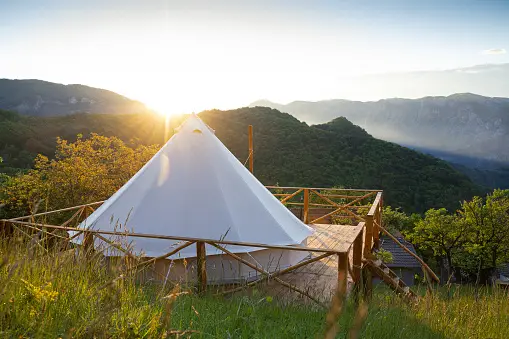
- Cabins and treehouses: Built of wood, often taking advantage of the natural architecture of the trees.
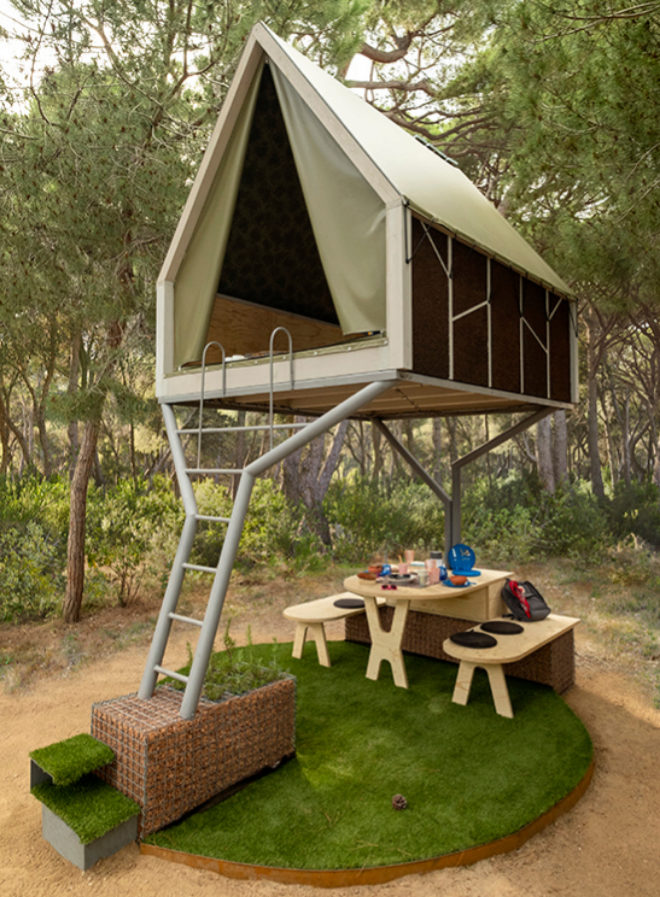
- Tiny houses: Small ecological houses built with sustainable materials.
- Wagons: Train carriages adapted for accommodation.
- Tipis and tents: Traditional or modern tents, with a triangular shape.
- Caravans: Caravans adapted to offer additional amenities.
- Bubbles and dome houses: Installations with panoramic roofs to enjoy the starry sky and views.
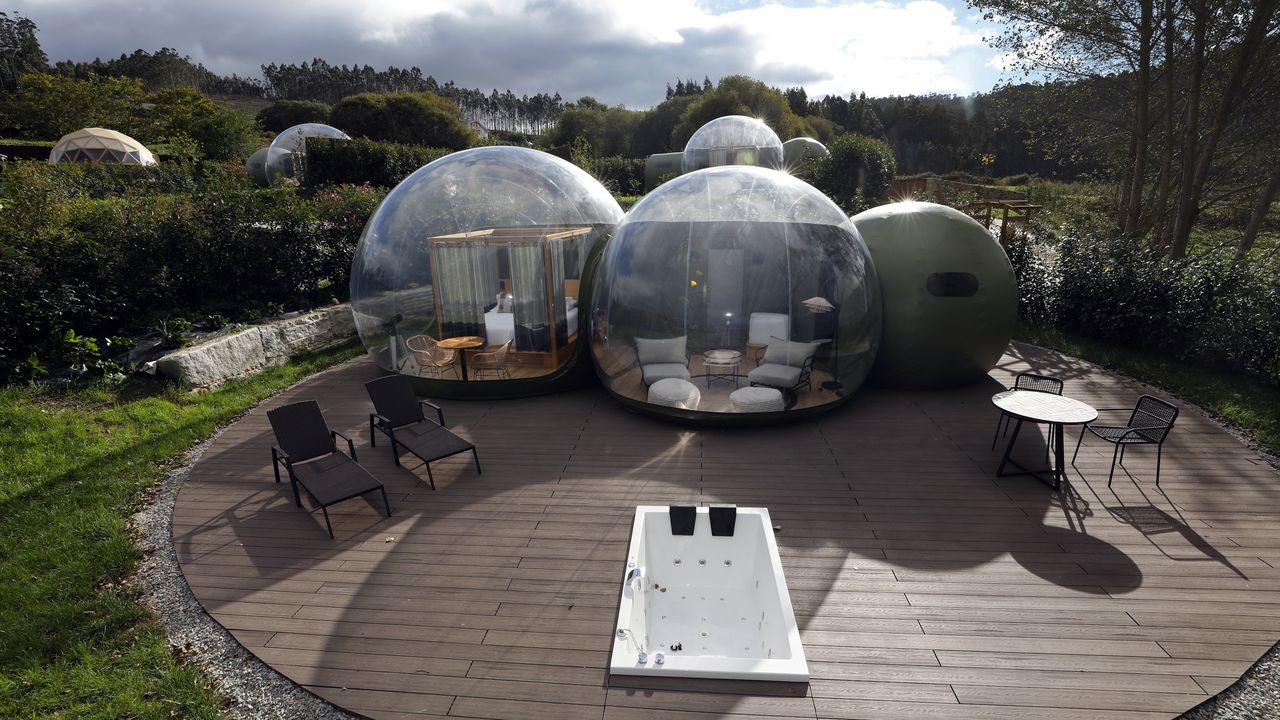
- Caves: Accommodations built in natural caves, especially in regions like Andalusia.
Why Should You Start a Glamping Business?
Hosts have different reasons for starting a glamping business, and not all do it exclusively for profit. There is no doubt that glamping can be a lucrative business. However, many do it for their love of nature, the lifestyle, or simply as a side job while taking care of their land.
Whatever your reason, here's why you should start a glamping business:
- Glamping is an Unforgettable Experience: Glamping opens the doors to a whole new group of travellers. The idea of traditional camping deters many people: the cold, mosquitoes, lack of running water, lack of access to fresh food, etc.
However, glamping is a completely different game. Providing a comfortable and unique holiday in nature will allow inexperienced travellers the opportunity to connect with nature.
- Eco-Friendly and Luxurious: With both luxury and sustainable tourism trends on the rise, hosts have the opportunity to invest in an eco-friendly holiday industry, and their guests will love them for it!
Installing solar panels and eco-friendly bathrooms while using recycled and organic materials will allow you to offer the experience guests want while reducing your carbon footprint.
- Low Investment and High Returns: The initial investment for glamping is not as high as buying a house and having to take out a mortgage. Rather, it is much cheaper to build, manage, and administer. Therefore, the profit should be higher, and you should get a return on investment in a shorter period of time.
The key is to get your glamping holiday rental to market. Knowing how to target your holiday rental to certain types of travellers, such as fitness and wellness travellers and millennials. Being aware of SEO tricks to ensure guests find your holiday rental on the most popular OTAs.
Today, glamping is considered a profitable business and can be managed in the same way as any other type of short-term rental.
- Glamping is for Everyone: Although the younger generation accounts for almost 50% of the market share, every age group is growing year after year, demonstrating that glamping is for everyone.
You can adapt your marketing approach to target specific age groups while installing appropriate facilities to match.
- Weddings and Events: Glamping is not restricted to local campsites. As an investor, you might decide to cater to the growing increase in glamping weddings and music festivals. You can capitalise on these events known for being profitable by offering unique and luxurious experiences for a relatively low initial cost.
- Running a Glamping Business is Fun: The opportunity to be your own boss, earn an income, and be surrounded by nature is attractive to many potential hosts. It can be an enormously rewarding experience to take care of your land while welcoming all kinds of people.
How to Start a Glamping Business
The great news is that it is relatively easy to open a glamping business considering the low initial costs and minimal construction time. However, a successful glamping business still needs some strategic planning.
Create a Glamping Business Plan
Would you undertake any major investment without a structured idea of where you are going? Of course not! Glamping is no exception. Many holiday rental owners are incorrectly misled into believing that owning a glamping business is too easy. Although it can be a smaller commitment, planning is still essential.
A good example of a glamping business plan would include a company and industry analysis, an operations plan, and revenue management, at a minimum.
Loans for Glamping Businesses
It's not land and it's certainly not a hotel, so what is it? In the eyes of lenders, glamping can be difficult to categorise. It is important to find the right loan for your glamping project to avoid excessively high interest rates or extended repayment periods. Read all the financing tips so you don't end up paying more than necessary.
Glamping Business Marketing
Last but not least, there is the marketing of your glamping business. Many holiday rental owners discover too late that they do not have a solid plan to attract guests to their property. Do not fall into the same trap. Take proactive steps and learn everything you need to know about how to attract more guests to your property.
Building a Glamping Site
Your construction will vary depending on several factors. No two glamping businesses are alike, nor should they be! Glamping is acclaimed for its uniqueness, so each construction will be completely different. However, there are some factors to consider regardless of how you decide to create your glamping business.
Permits: Many sites are heavily protected by government authorities. Protected land and construction permits can make it difficult to build a "luxury camp".
Zoning Regulations: Zoning laws are great for when you don't want a busy highway on your doorstep, but they are less ideal when you are trying to start a holiday rental business. There are many zoning regulations, especially for highly tourist areas, that will prevent you from building your glamping business on some land.
Purpose: If you are determined to have a glamping business in the form of a tipi tent, you should only consider land that is feasible for this type of construction. Having a clear purpose in mind for your glamping business will make choosing the right land easier.
Andalusia
- Law 13/2011 on Tourism in Andalusia
- Decree 164/2003, of June 17, on the regulation of tourist campsites.
- Decree 80/2010, of March 30
- Decree 26/2018, of January 23, on the regulation of tourist campsites.
Aragon
- Decree 125/2004, of May 11, approving the Regulation on Open-Air Tourist Accommodations
- Decree 61/2006, of March 7, approving the Camping Regulation
Balearic Islands
- Decree 13/2011, of February 25
Cantabria
- Decree 95/2002, of August 22, on the Regulation and Classification of Tourist Campsites in Cantabria
Canary Islands
- The Canary Islands is the only autonomous community in Spain where tourism regulations do not mention campsites, so there is a legal vacuum in this regard.
Castilla-La Mancha
- Decree 247/1991, of December 18, on the Regulation and Classification of Tourist Campsites
Castilla y León
- Decree 26/2009, of April 2, modifying Decree 168/1996, of June 27, on the regulation of Tourist Campsites.
- Decree 9/2017, of June 15, Campsite Regulations
Catalonia
- Decree 159/2012, of November 20, on tourist accommodation establishments and holiday homes
Autonomous City of Ceuta
- Tourism Regulation, of November 30, 2010, Tourism Regulation of the city of Ceuta
Autonomous City of Melilla
- Decree 351/2010, of July 19, concerning the definitive approval of the tourism regulation of the Autonomous City of Melilla
Community of Madrid
- Decree 3/1993, of January 28, on tourist campsites in the Community of Madrid
Foral Community of Navarre
- Foral Decree 73/2013, of December 4, modifying the Regulation on the Organisation of Tourist Campsites in the Foral Community of Navarre
- Foral Order 23/2014, of April 8, determining the characteristics of the distinctive signs for tourist campsites in the Foral Community of Navarre
Valencian Community
- Decree 6/2015, of January 23, regulating campsites and transit overnight areas for motorhomes in the Valencian Community.
Extremadura
- Decree 170/1999, of October 19, regulating public tourist campsites, private campsites, and municipal camping areas
- Law 2/2011, of January 31, on the development and modernisation of tourism in Extremadura
Galicia
- Decree 144/2013, of September 5, establishing the regulation of tourist campsites in Galicia
La Rioja
- Decree 14/2011, of March 4, approving the Development Regulation of the Tourism Law of La Rioja
Basque Country
- Decree 396/2013, of July 30, on the regulation of campsites and other forms of camping tourism in the Autonomous Community of Euskadi
Principality of Asturias
- Decree 45/2011, of June 2, Tourism Camping Regulation.
Region of Murcia
- Law 12/2013, of December 20, on Tourism in the Region of Murcia
- Decree 108/1988, of July 28, on the regulation of public tourist campsites
Glamping is a growing trend that combines the beauty of nature with comfort and luxury. It is an exciting business opportunity that offers a unique experience for guests. If you are considering starting a glamping business, it is important to research local regulations and plan carefully to ensure the success of your venture.