How to return rented apartment keys safely and efficiently
Learn how to safely and efficiently return rented apartment keys. Discover the benefits of smart locks for landlords and tenants. Explore our smart lock solutions today!
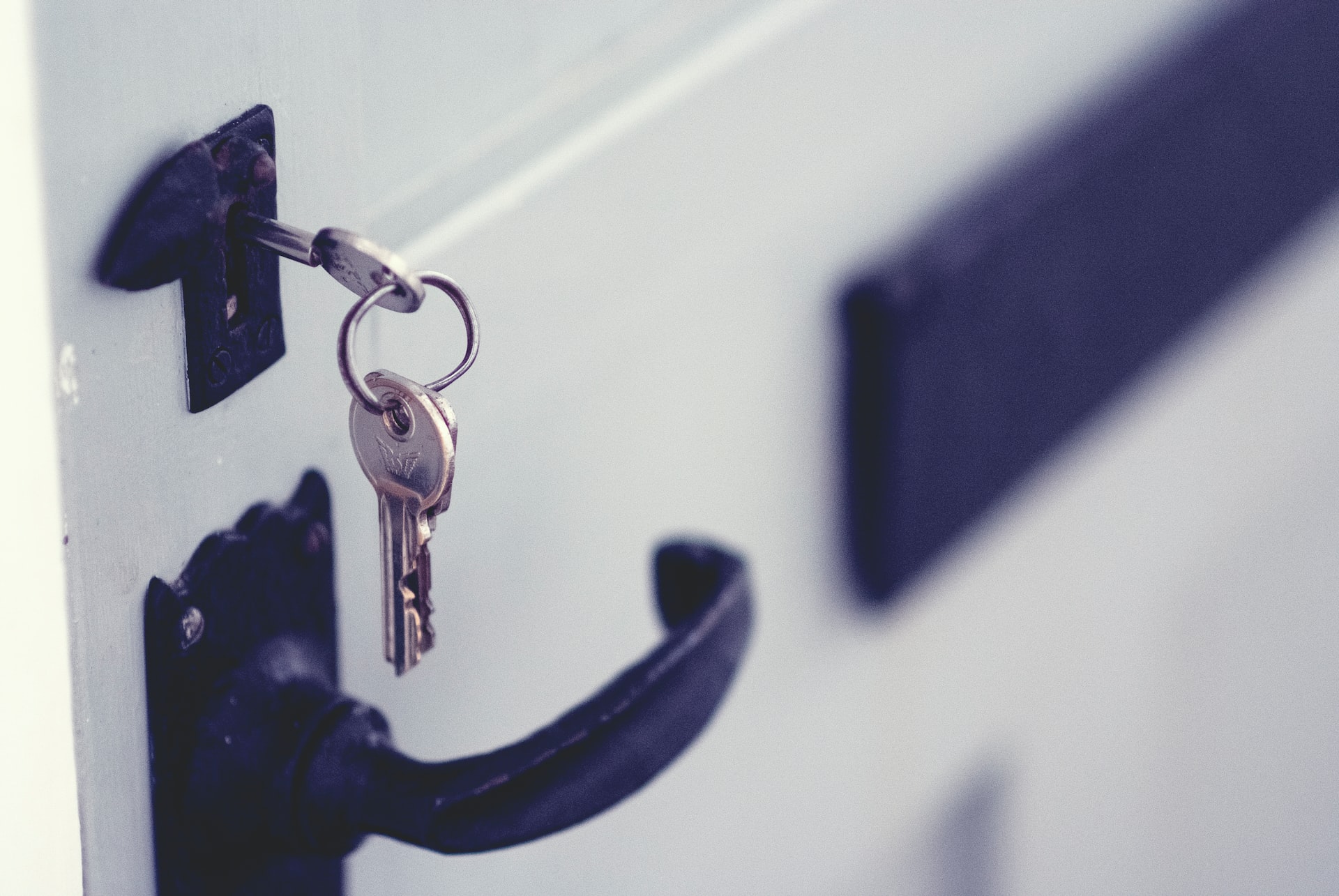
Returning keys for a rental is an important step in the leasing process. It is important for property owners and tenants to know how to return keys safely and efficiently. One of the most popular solutions is the use of smart locks. In this article, we will discuss how to return rental keys, including the advantages and disadvantages of using smart locks.
Returning keys
Returning rental keys is usually done in person between the owner and the tenant. The tenant hands over the keys to the owner, who then checks if the keys are in accordance with the lease agreement. If everything is in order, the owner returns the security deposit to the tenant.
However, sometimes it can be difficult to schedule a time for returning the keys, especially if the tenant is traveling or the owner is busy. Additionally, if the tenant loses the keys, there may be additional costs for the owner, such as changing locks.
Smart locks
An alternative to returning keys in person is the use of smart locks. These locks allow the owner to manage rental keys remotely, using a smartphone or computer. This means that the tenant can enter and exit the property without the need for physical keys.
Smart locks also allow the owner to manage keys more securely. For example, the owner can create virtual keys for tenants, which expire after the lease end date. This means that the tenant can no longer access the property after the contract end date.
Another advantage of smart locks is that they allow tenants to access the property more conveniently. For example, the tenant can use a smartphone to unlock the property door, even if they don't have the physical keys with them.
There are other alternatives to smart locks that rental owners can consider. Some of the most common options include:
- Key boxes: these boxes can be installed at the property's entrance door and allow tenants to enter with a code or card. They are a great option for tenants who arrive late or leave early.
- Key access systems: these systems allow owners to manage keys more securely. For example, owners can create virtual keys that expire after the lease end date.
- Code systems: these systems allow tenants to access the property with a temporary code. They are a good option for tenants who rent the property for short periods of time.
It is important to remember that each of these alternatives has its own advantages and disadvantages, and owners should carefully evaluate their needs and the needs of their tenants before choosing an alternative. Some factors to consider include cost, security, convenience, and ease of use.
It is also important to consider that some alternatives, such as key boxes and key access systems, may require additional installation and maintenance, while others, such as code systems and digital locks, may be easier to install and maintain.
Returning rental keys is an important step in the leasing process. The use of smart locks is an increasingly popular alternative, as it allows the owner to manage keys more securely and efficiently. However, it is important to keep in mind the disadvantages of smart locks, such as cost and complexity of use, when considering if this is the best option for your rental.