How to detect and avoid holiday rental scams
Protect your holiday rental from common scams like fake reviews, stolen credit cards, and phishing. Learn essential tips to keep your property and profits safe. Read more!
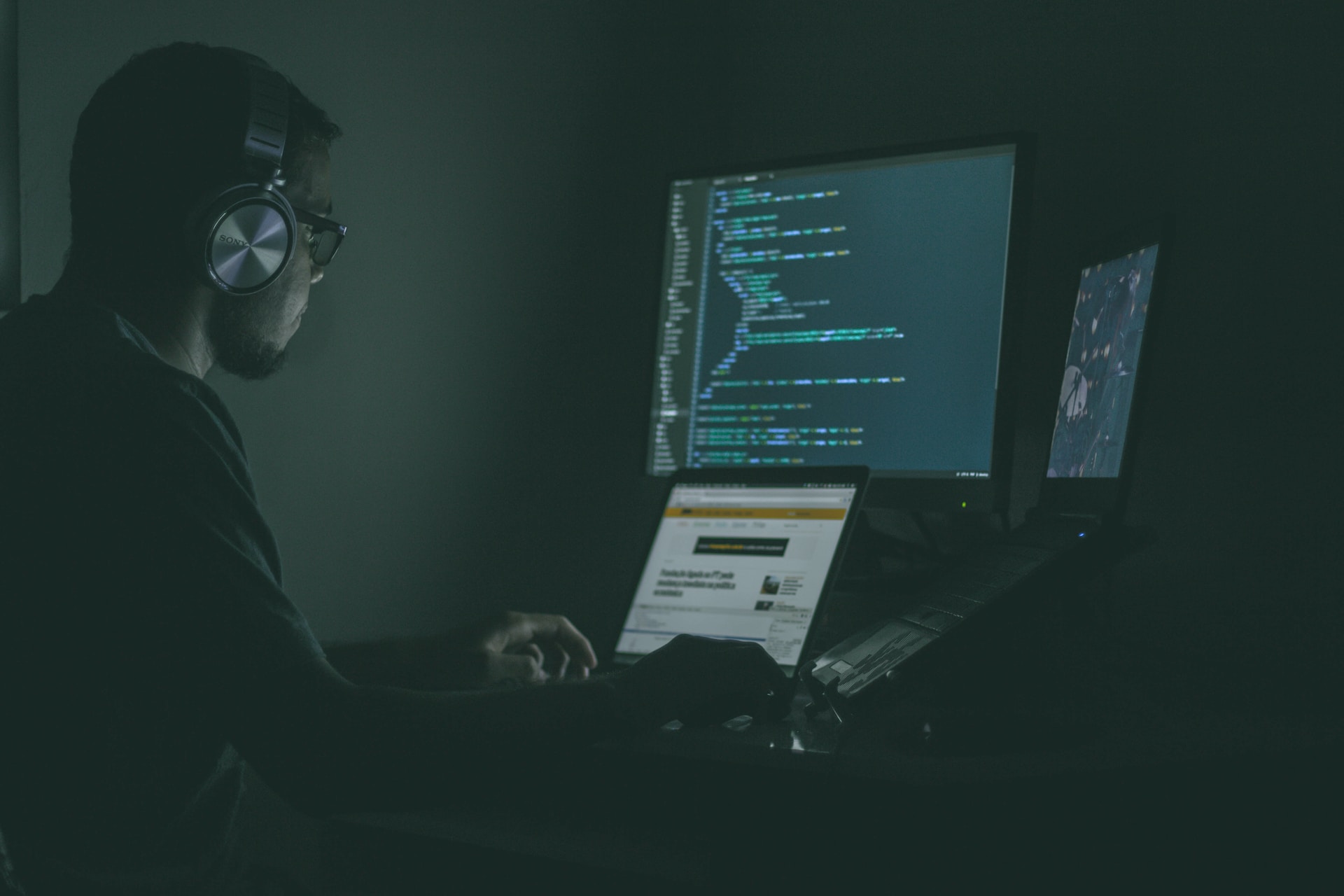
The rise of holiday rental platforms has provided travellers with a wide variety of accommodation options for their holidays. However, it has also attracted scammers looking to take advantage of the popularity of this type of accommodation. In this article, we will examine the most common holiday rental scams and provide tips to avoid falling victim to them.
1. Fake review scams:
Some dishonest customers may try to blackmail the owner by threatening to leave negative reviews unless they are given a refund or provided with some additional benefit. They may also leave fake reviews to damage the owner's reputation.
Tips to avoid this:
- Respond professionally and courteously to any issues reported by the customer.
- Request reviews from all guests after their stay to obtain a more balanced sample of customer opinion.
- Report any blackmail attempts or fake reviews to the holiday rental platform.
2. Stolen credit card scams:
One of the most common scams owners face in holiday rentals is when a customer uses a stolen credit card to pay for the booking. In this case, the owner may find themselves in a difficult situation as the payment appears legitimate at first, but then it is discovered that the card was stolen and the payment is reversed.
Tips to avoid this:
- Verify the customer's identity by requesting a copy of their ID and a utility bill in their name.
- Use secure and reliable payment systems that verify the validity of credit cards.
- Be alert to red flags, such as changes in booking dates, sudden refund requests, or issues with the credit card used.
3. Phishing:
In this type of scam, fraudsters try to obtain personal and confidential information, such as passwords and credit card details, by impersonating a legitimate holiday rental platform or property owner. They often send emails, text messages, or links to fake websites that mimic the appearance of an authentic platform, asking travellers to provide their personal data or make payments on insecure sites.
How to avoid it:
- Do not click on suspicious links or provide personal or financial information via unsolicited emails or messages.
- Always access the holiday rental platform by typing the URL directly into the browser or using a pre-saved bookmark.
4. The Bizum trick:
The scammer asks the traveller to make a payment through the instant payment platform Bizum to secure the holiday property booking. Once the money has been sent, the scammer disappears and the traveller discovers that no booking has been made.
How to avoid it:
- Avoid making payments outside of holiday rental platforms and use secure and reliable payment methods. Legitimate rental platforms usually provide secure payment systems within their website or app.
5. The fake guest:
A scammer pretends to be a legitimate guest who needs to cancel their booking and offers their spot to the traveller. They ask the traveller to make the payment directly through bank transfers or other insecure methods, and then disappear without providing any booking. Most scams in the holiday rental sector occur during the accommodation booking process, which gives scammers the opportunity to operate from the comfort of their home and obtain their haul without needing to travel.
These traps are usually related to the payment method, and scammers resort to fake cheques or transfers that never materialise.
- Lack of complete information: Fake guests may provide incomplete or unreliable information when making a booking. They may omit essential personal details or avoid answering specific questions about their trip.
- Suspicious review history: If the guest has a history of negative, scarce, or poorly detailed reviews on other properties, it could be a red flag.
- Vague or evasive communication: Fake guests may be evasive in their communications, providing vague or confusing answers to the owner's questions.
- Pressure for unusual changes: A fake guest might pressure for unusual changes to the booking, such as altering dates or adding more guests without clear justification.
- Last-minute bookings: Fake guests often book at the last minute, making proper verification difficult and leaving little time to detect any irregularities.
- Unusual requests: Fake guests may make unusual requests, such as asking the owner to refund part of the payment before arrival.
How to avoid fake guests:
- Identity verification: Ask guests to provide a valid ID, such as a driver's license or passport, to verify their identity.
- Background checks: If possible, perform a background check on the guest through a holiday rental platform that offers this option.
- Use reliable rental platforms: Work with reliable holiday rental platforms that have security and verification systems.
- Ask for references: Request references from other owners or previous guests to get an idea of the guest's reputation.
- Communicate in detail: Maintain clear and detailed communication with the guest to obtain additional information and confirm booking details.
- Clear cancellation policies: Establish clear cancellation policies and communicate them to the guest from the outset to avoid last-minute cancellations.
- Trust your gut: If something seems suspicious or doesn't feel right, it's important to trust your gut and refrain from confirming the booking.
6. The Wi-Fi scam:
The scammer offers a property with free Wi-Fi, but once the traveller arrives, they discover that the Wi-Fi is non-existent or not working properly. The scammer may use this as an excuse to demand additional payments or to divert attention from other problems with the property.
How to avoid it:
- Specifically ask about amenities, such as Wi-Fi, before making a reservation and get written confirmation that it is included in the rental.
In conclusion, holiday rental scams can cause problems and frustrations for travellers. It is essential to stay alert and follow the safety guidelines provided by holiday rental platforms. By being aware of the different types of scams and taking appropriate precautions, travellers can enjoy safe and pleasant holidays in authentic and reliable properties.