Committing to sustainability can save up to 20%
Discover how sustainable practices in hotels, like smart access control, can reduce energy costs by up to 20% and enhance customer experience. Learn more!
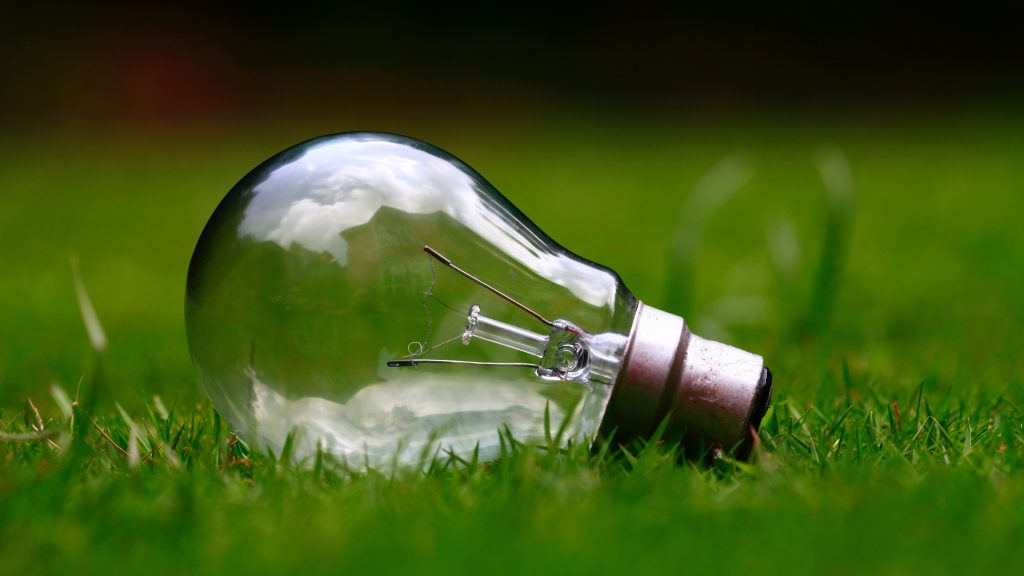
March 5th is World Energy Efficiency Day, a celebration that invites reflection on the need to use energy efficiently, commit to sustainability, and curb climate change.
Unfortunately, and according to data managed by the insurance comparator Acierto, energy efficiency continues to be one of our country's pending subjects. And we are not only talking about individual consumers, but also companies. The hospitality and tourism sector is one of the most aware of this situation.
Implementing measures that preserve the environment proves profitable in the long term. In fact, according to calculations, doing so allows hotels to save between 10% and 20%. Additionally, they improve the customer experience and are an attraction in themselves. It also allows them to benefit from economic aid. But what initiatives are being adopted?
Sustainable buildings for the Horeca sector
Acierto's research reveals that sustainable building is gaining adherents in the hotel sector. A crucial point if we consider that buildings generate between 25% and 35% of emissions; and that 8 out of 10 buildings in Spain are energy inefficient. Specifically, tourism is responsible for 5% of CO2 emissions into the atmosphere. The carbon footprint of establishments accounts for 20%.
Thus, the preservation of buildings—especially those over 40 years old—and the installation of insulation elements to reduce losses, are key. The latter account for 30% of total losses. It is also essential to promote initiatives to reduce the use of heating and air conditioning, as well as the optimisation of resources for air conditioning swimming pools and refrigeration systems.
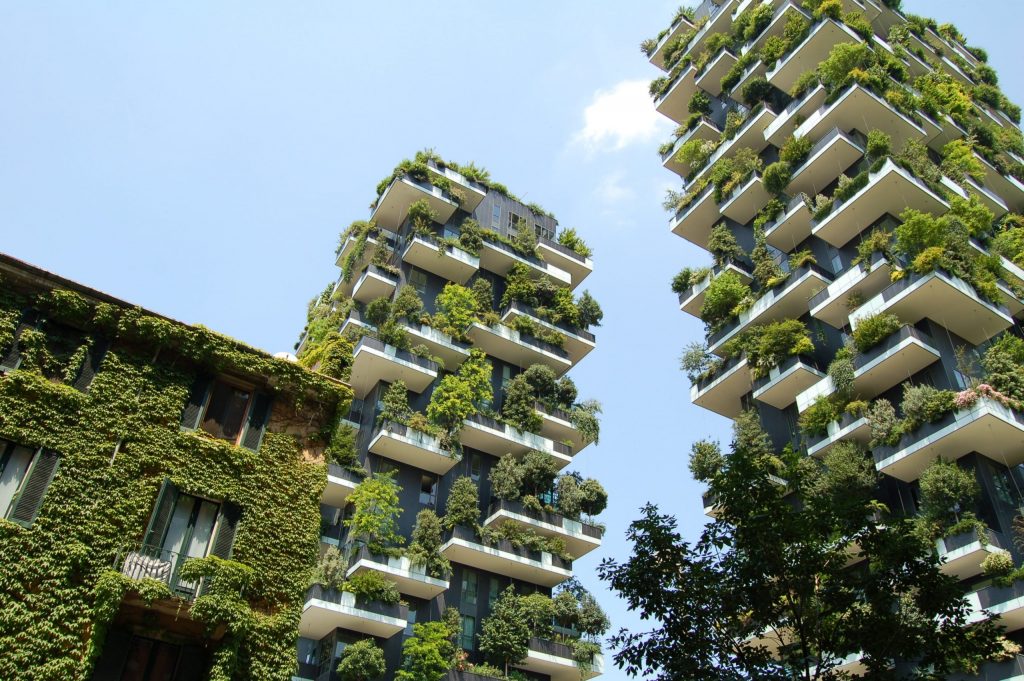
Committing to sustainable energy sources
One of the keys to saving energy in hotels is to base a large part of their energy consumption on sustainable sources and renewable energies. The transformation of the boiler room, for its part, represents savings of around 12%.
Employee and customer involvement
Acierto.com highlights the importance of involving employees and customers, and of informing about the measures taken. Sustainability can become an incentive for both groups. In fact, up to 6 out of 10 tourists are attracted to companies committed to the environment. And more than 30% are willing to pay more to stay there.
Low-consumption lighting
Low-consumption lighting, water harvesting systems, and measures such as adapting the intensity of external lights to the environment increase energy savings. Energy audits will allow us to identify the consumption of the different facilities.
Minimising water consumption, eliminating plastic products, and reducing the amount of food wasted through self-cultivation are other points that help mitigate environmental impact.
Comparing energy tariffs
The insurance comparator Acierto.com also recommends comparing different energy tariffs to see which one best suits our needs. “In this area, as in insurance, it is essential to compare energy tariffs,” says Carlos Brüggemann, co-founder of the entity.
“Reviewing the conditions offered by companies, choosing a plan that suits our business, are essential actions,” he states. Taking out specific insurance that includes electrical damage coverage will also be fundamental in case of problems in electrical installations – conduction lines, machinery, and electrical devices – resulting, for example, from abnormal currents, combustion, or others.
The policy will allow us to save in the long term and be protected against these eventualities. In addition, they usually include legal defence, assistance, civil liability, and damages caused by fires, lightning, or explosions.
Committing to technology
Technology, for its part, contributes to energy saving. We are talking about smart hotels, equipped with smart thermostats that turn off once a certain temperature is reached. Of smart blinds that automatically lower if the room empties when they detect that excessive heat is being generated.
Committing to technology also means installing motion sensors in corridors and common areas, opting for smart and programmable light bulbs, and Dimmer, which give us the opportunity to control the entry and exit of light with 75% savings. They also increase the lifespan of light bulbs.
At Raixer, we are constantly looking for ways and means to reduce our environmental impact. We offer different smart solutions, for example, the motion sensor and the open/closed sensor. In addition, you can use our smart lock not only for doors, but also for windows, blinds, or air conditioning.