Profitability in tourist accommodation: keys to increasing revenue in 2025
Maximize profitability in tourist accommodation in 2025! Discover how smart locks and access control can optimize operations, enhance guest experience, and increase your revenue. Get started today!
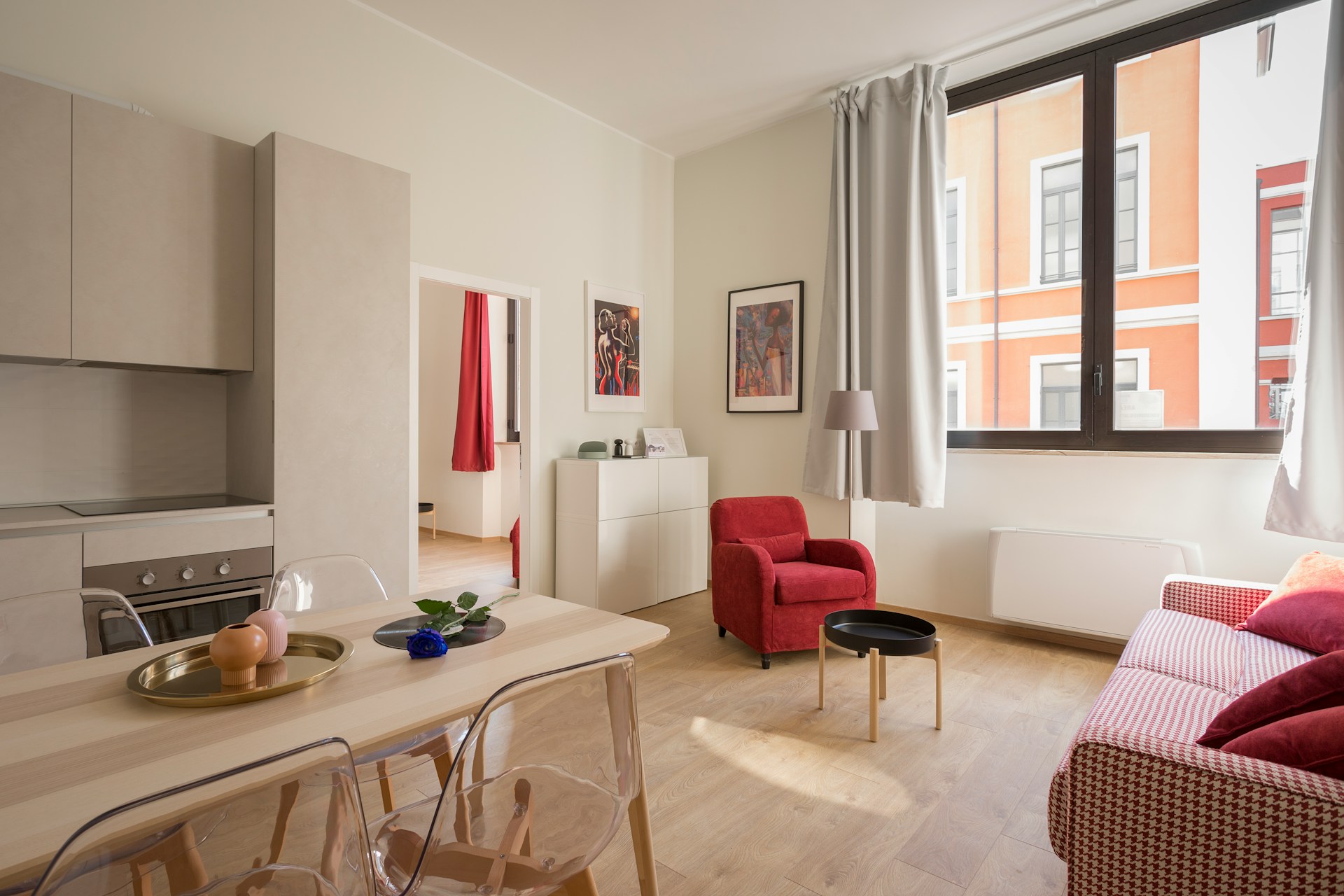
The tourism market is experiencing a period of great dynamism. Following the post-pandemic recovery, 2024 closed with historic figures: more than 85 million international visitors arrived in Spain, consolidating the country as one of the world's leading tourist destinations. In 2025, UNWTO forecasts point to sustained growth of 3% to 4% in the global flow of travellers. This scenario represents a great opportunity for owners and managers of tourist accommodation, but it also poses a challenge: how to maximize profitability in an increasingly competitive market.
The key is no longer just about offering a good location or an attractive price, but about leveraging technology, improving guest experience, and optimizing operational processes. Below, we analyse the most effective strategies to increase revenue in 2025, with data, examples, and industry trends.
1. Price optimization with dynamic technology
Price is one of the main factors determining the occupancy of an accommodation. However, setting static rates in such a changing environment as tourism can lead to significant losses. The trend for 2025 is the use of revenue management tools that adjust prices in real time based on demand, competition, and seasonality.
- According to AirDNA, accommodations that use dynamic pricing can increase their revenue by up to 40% compared to those that maintain fixed rates.
- In destinations like Barcelona or Malaga, where occupancy fluctuates seasonally, this strategy allows for maintaining high margins even in lower demand months.
Example: an apartment in Madrid can be rented for €120 in low season, but reach €250 during events like the Mad Cool Festival. With a dynamic system, these adjustments are automatic, maximizing revenue without losing competitiveness.
2. Check-in automation and cost savings
Time is also money. In a sector with high guest turnover, key handover and arrival management can become a bottleneck that impacts profitability. This is where remote check-in solutions and smart locks come into play.
- A 2024 Booking.com study indicates that 71% of travellers prefer accommodations with self-check-in.
- By eliminating trips to hand over keys, an owner can save between 3 and 5 hours per week, which amounts to more than 200 hours per year.
Example: a manager with 10 apartments in Valencia can coordinate all arrivals and departures from a single platform, reducing the need for staff and increasing the capacity to manage more properties without increasing costs.
3. Increase occupancy with personalized experiences
Today's guest is not just looking for a place to sleep, but an experience. Offering additional services and local experiences can make a difference and increase revenue.
- According to Expedia, 78% of tourists in 2025 choose accommodation that offers personalised experiences.
- Extra revenue from upselling services (transfers, activities, tours) can represent an additional 10% to 20% of accommodation turnover.
Example: an apartment in Seville that offers direct access to flamenco classes or guided tours of the Triana neighbourhood can generate complementary income and improve ratings on platforms like Airbnb.
4. Security and trust as added value
Security is a key factor for guests, especially in short-stay accommodations. Incorporating technologies that convey trust not only protects the owner but also impacts profitability.
- According to Hosteltur, 65% of international travellers prioritize accommodations with secure access systems.
- Accommodations with digital security measures obtain, on average, 12% more bookings than those that do not implement them.
Example: a tourist complex on the Costa del Sol that uses smart locks with PIN code access and remote control avoids key duplication problems and increases guest satisfaction.
5. Centralized management and scalability
Many owners start with a single tourist flat, but over time seek to scale their business. To do so profitably, it is essential to have systems that allow for centralized management of accesses, bookings, and cleaning.
- An integrated PMS (Property Management System) can reduce overbooking errors by up to 30% and improve occupancy.
- Con soluciones de acceso digital como Raixer, los administradores pueden controlar de forma remota múltiples alojamientos desde una única aplicación.
Example: a company managing 50 apartments in Lisbon can administer all accesses, grant temporary permissions to cleaning staff, and monitor entries in real-time without the need for physical reception desks.
6. Digital marketing strategies and visibility
Profitability depends not only on operation but also on the ability to attract clients. In 2025, digital marketing for tourist accommodations is focused on three pillars:
- Local SEO: optimizing the Google My Business profile and appearing in searches for “tourist apartment in [city]”.
- Segmented advertising: social media campaigns targeting international travellers.
- Online reputation: an accommodation with more than 50 positive reviews on Airbnb can increase its bookings by up to 30%.
Example: a boutique hotel in Granada that invests in SEO and obtains outstanding reviews appears in the top Google results, reducing its dependence on intermediaries and OTA commissions.
7. Sustainability as a competitive advantage
More and more travellers are choosing sustainable accommodations. This approach not only attracts an eco-conscious tourist profile, but also reduces costs.
- 70% of travellers (Booking.com, 2025) state they would be willing to pay more for sustainable accommodation.
- The implementation of energy control systems can reduce electricity consumption by 20%.
Example: an apartment in the Balearic Islands that combines smart locks (without physical keys), LED lighting, and efficient air conditioning management can save hundreds of euros annually and differentiate itself in the market.
In this scenario, Raixer offers a comprehensive solution to improve the profitability of tourist accommodations. With six opening methods (PIN code, NFC, mobile app, remote control, voice assistants, and proximity cards), the platform allows remote access management, granting temporary permissions, and increasing security. All this translates into lower operational costs, more flexibility, and a better guest experience.
Practical case study: an owner in Alicante using Raixer can send temporary access codes to guests, allow cleaning staff entry only during specific hours, and monitor all entries from their mobile. This reduces travel, avoids incidents, and improves reviews, which in turn attracts more bookings and increases profitability.
Profitability in tourist accommodation in 2025 depends on a balance between price optimization, digitalization, security, sustainability, and guest experience. Data shows that travellers increasingly value autonomy, technology, and trust, making digitalization an essential investment.
In a market where competition is intense and demand continues to grow, those who opt for innovative tools such as smart access control will be better prepared to increase revenue and ensure a sustainable future for their business.