DNI Issue Date: What It Is, Where to Find It, and Its Importance
Discover the relevance of the DNI issue date for procedures, security, and identity verification. Learn how to find it on your document and why it's key in access control.
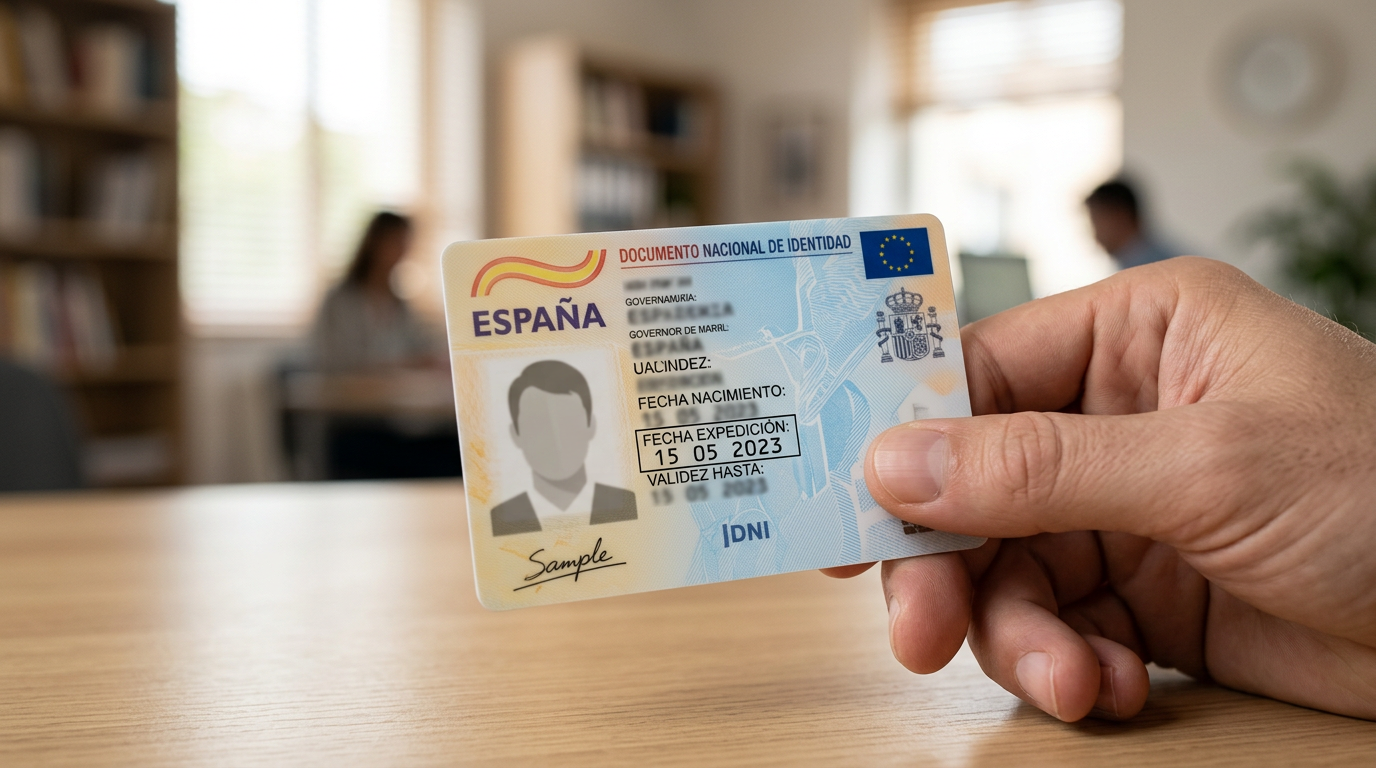
The DNI issue date is a fundamental piece of information present on our National Identity Document that, although often overlooked, holds great relevance in multiple procedures. Beyond being a mere number, this field validates the document's validity and is required for legal and administrative procedures, and increasingly, for identity verification in digital environments. Understanding its meaning and when it's necessary to consult it can save us time and complications.
The Essentials
- The DNI issue date is key to validating the document's authenticity and validity.
- It is used in official, banking procedures, and digital identity verification systems.
- Knowing it is vital for renewals, travel, and to prevent fraud in access control.
DNI Issue Date: Understanding Its Importance and Where to Find It
The DNI issue date indicates the exact day our National Identity Document was issued. It is crucial not to confuse it with the validity (or expiry) date nor with the date of birth. While the validity date tells us until when a DNI is legally usable before its renewal, the issue date is a unique identifier for that specific version of the document we carry. This data is an essential component for security, used by authorities and various platforms to confirm the authenticity and validity of our identity.
On the Spanish DNI, the issue date is located on the front of the document. Generally, you will find it below the date of birth and next to the validity date. It is clearly marked and is a standard field in all versions of the DNI, both the current electronic format and previous versions.
Avoiding Risks
Correct DNI verification, including its issue date, is a powerful tool to prevent fraud, identity theft, and unauthorized access.
Key Use Cases for DNI and Its Issue Date Verification
The relevance of this data extends to multiple sectors where access management and security are paramount.

Vacation Rentals and Tourist Properties
In the tourism sector, guest identity verification is essential. The DNI issue date adds an extra layer of security, ensuring that the presented document is valid and not an old copy or a forgery. This is vital for compliance with traveler registration regulations and for property security. With a system like Raixer, owners can automate this process and offer a seamless check-in experience, complying with the law and protecting their assets.
Offices and Coworking Spaces
In shared work environments, robust access control is essential. The DNI issue date can be part of the registration process for new members or visitors, ensuring that only authorized personnel access the facilities or restricted areas. This is fundamental for effective security management and people flow.
Neighbor Communities
For managing access to common areas, such as swimming pools, gyms, or storage rooms, DNI verification – including this data – ensures that only authorized residents have access. This minimizes conflicts and improves the overall security of the community, a key aspect for our locks for neighbor communities that seek to modernize and secure their access points.
Home Care Services
When it is necessary to ensure access for care personnel (nurses, assistants, etc.) to a home, verifying their identity through the DNI and its issue date provides peace of mind to families. It guarantees that only authorized and fully identified professionals can enter the home, strengthening trust and the security of vulnerable individuals.
Test Your DNI
If you have doubts about the validity of your DNI in an online system, you can often contact technical support or look for a FAQ section on the platform in question.
Final Considerations on the DNI Issue Date
The issue date of our National Identity Document is a fundamental identifier that underscores the importance of documentary and digital security in our daily lives. It goes beyond a simple piece of data, acting as a key validator in numerous procedures and identity verification systems. For companies like Raixer, understanding and strategically using this type of information, always under the strictest privacy and regulatory compliance standards (such as GDPR), is essential to build intelligent access systems that are not only convenient and efficient but also robust and secure.
Investing in technology that allows for accurate and secure identity verification is, therefore, an investment in peace of mind and in the protection of both people and properties. Keeping the DNI updated and knowing the relevance of each of its fields, including the issue date, is a recommended practice for any citizen in the digital age.
Frequently Asked Questions
Where can I find my DNI issue date?
On the Spanish DNI, the issue date is located on the front of the document. Generally, you will find it below your date of birth and near the document's validity (or expiry) date. It is clearly indicated.
What is the difference between the DNI issue date and validity date?
The issue date indicates the day your current DNI was first issued. The validity date (or expiry date), on the other hand, specifies until when that DNI is legally valid and can be used before you need to renew it. An expired DNI is not valid, even if its issue date is correct.
Is the issue date the same as the emission date?
Yes, the terms "issue date" and "emission date" are used interchangeably to refer to the same date on which the DNI was printed and delivered.
Do I need the DNI issue date to use a Raixer smart lock?
Not directly on the lock itself. However, if you are a guest or user who needs to verify their identity to gain access through the Raixer management platform (for example, for automatic remote check-in in a tourist apartment), your DNI issue date will be requested in the document verification process. This is part of the security and regulatory compliance requirements we manage to enable your secure access.
What happens if I enter an incorrect DNI issue date in an online form?
If the DNI issue date entered does not match the one registered on your document, it is very likely that the system will reject the identity verification. This is because the issue date is a key piece of information to confirm the authenticity and match of the documentary information, acting as a security filter to prevent fraud or errors.
What do I do if my DNI has expired or is about to expire and I am asked for the issue date?
Although your DNI's issue date does not change, an expired document loses its legal validity. If you are asked for identity verification, such as for a check-in or a banking procedure, you will need to have your DNI renewed. We recommend starting the renewal process as soon as possible to avoid problems. In some cases, proof of the renewal application may be accepted, but this depends on each entity and the type of procedure.