Balearic Eco-tax in 2025: Complete Guide for Tourists and Hosts
Understand the Balearic Eco-tax 2025 for Mallorca, Menorca, Ibiza & Formentera. Learn rates, exemptions, and how it impacts your smart lock rental business. Plan your trip now!
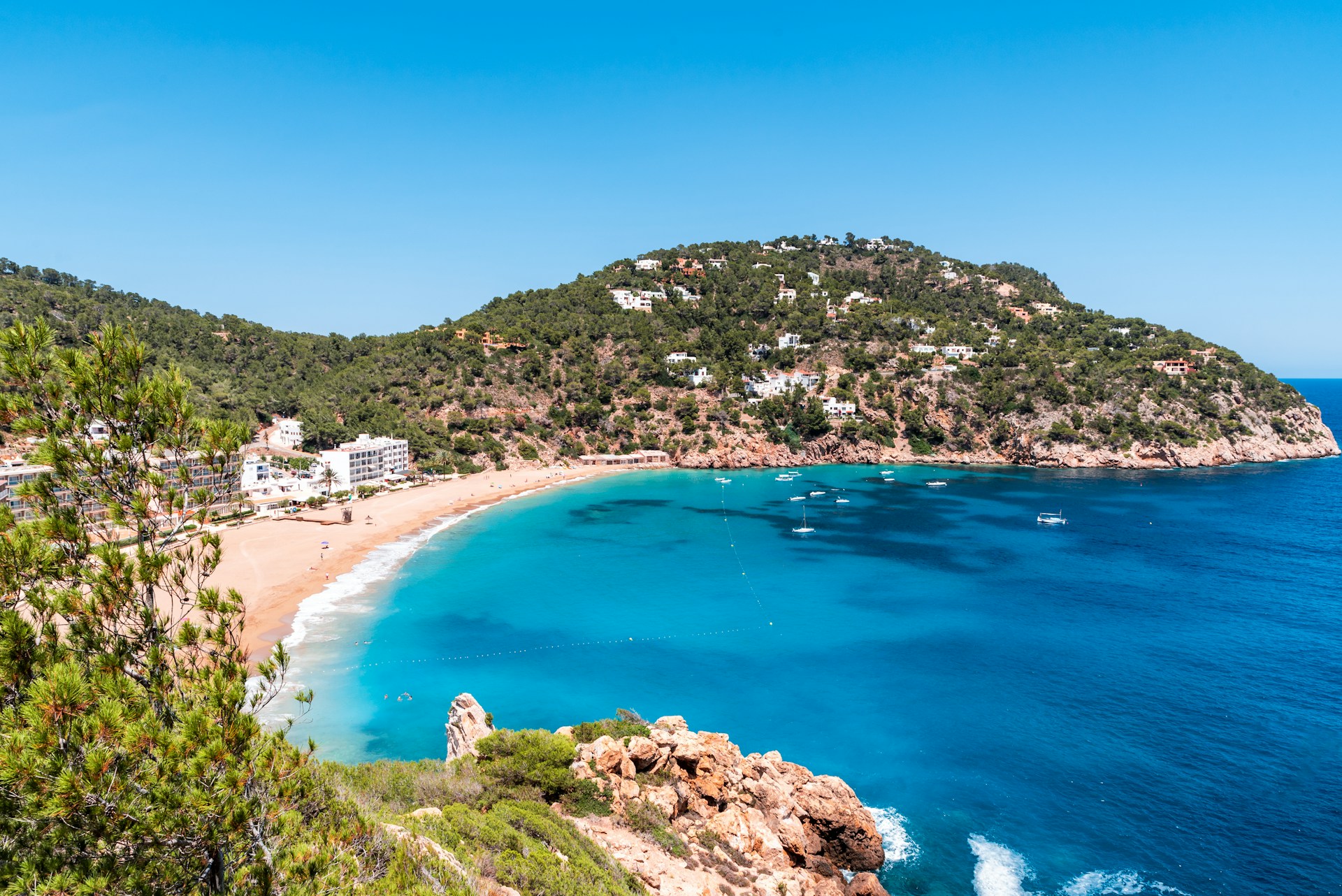
The eco-tax or Sustainable Tourism Tax (IET) is applied in Mallorca, Menorca, Ibiza and Formentera to finance environmental projects and improve sustainable infrastructure. If you are travelling to the Balearic Islands or renting tourist accommodation, here you will find everything you need to know about the tourist tax in 2025.
Balearic Eco-tax Rates 2025
The amount of the eco-tax varies depending on the type of accommodation, the season and the island.
1. General rates by type of accommodation
- Luxury hotels and apartments (5-star and 4-star superior) → Up to €4 per night in high season and €1 in low season.
- 1 to 4-star hotels, agritourism, and rural tourism → Between €2 and €3 per night in high season, with discounts in low season.
- Hostels, guesthouses, shelters, and campsites → Approximately €1 per night in high season and a reduction in low season.
- Tourist dwellings and holiday rentals → €2 per night in high season.
Discounts and exemptions
- Long stays: From the ninth day in the same accommodation, the tax is reduced by 50%.
- Children under 16: Do not pay the eco-tax.
- Residents of the Balearic Islands: In some cases, they can apply for deductions.
2. Tourist tax on each island
Although the eco-tax is uniform throughout the archipelago, each island has particular characteristics in its application.
Mallorca - Rates 2025
- 5-star and 4-star superior hotels and apartments → €4 in high season, €1 in low season
- 4-star standard hotels and apartments → €3 in high season, €0.75 in low season
- Rural houses and inland tourism → €2 in high season, €0.50 in low season
- Hostels, guesthouses, and campsites → €1 in high season, €0.25 in low season
Menorca - Rates 2025
- 5-star and 4-star superior hotels and accommodation → €4 in high season, €1 in low season
- 3 and 4-star hotels → €3 in high season, €0.75 in low season
- Rural houses and agritourism → €2 in high season, €0.50 in low season
- Hostels and campsites → €1 in high season, €0.25 in low season
Ibiza - Rates 2025
- Luxury hotels (5-star and 4-star superior) → €4 in high season, €1 in low season
- 3 and 4-star hotels → €3 in high season, €0.75 in low season
- Rural and tourist accommodation → €2 in high season, €0.50 in low season
- Hostels, shelters, and campsites → €1 in high season, €0.25 in low season
Formentera - Rates 2025
- High-category hotels and accommodation → €4 in high season, €1 in low season
- 3 and 4-star hotels → €3 in high season, €0.75 in low season
- Rural houses and inland tourism → €2 in high season, €0.50 in low season
- Hostels, shelters, and campsites → €1 in high season, €0.25 in low season
Reductions and exemptions
- Long stays: From the ninth day in the same accommodation, the tax is reduced by 50%.
- Children under 16: Do not pay eco-tax.
- Residents of the Balearic Islands: Can apply for tax deductions.
How should hosts manage the eco-tax?
If you are an owner or manager of tourist accommodation, you must collect the eco-tax from your guests and settle it with the Tax Agency of the Balearic Islands (ATIB).
Steps to settle the eco-tax
- Register the accommodation with the ATIB.
- Collect the eco-tax from guests at check-in or check-out.
- Declare and pay the tax quarterly on the following dates:
- 1st quarter (January-March) → from April 1 to 20
- 2nd quarter (April-June) → from July 1 to 20
- 3rd quarter (July-September) → from October 1 to 20
- 4th quarter (October-December) → from January 1 to 20
- Make the payment through the ATIB portal within the established deadline.
It is important to keep a record of the collected and declared taxes, as authorities may carry out inspections.
Where is the eco-tax money invested?
The money collected from this tax is allocated to environmental and sustainable infrastructure projects in the Balearic Islands. Some recent examples include:
-Restoration of natural areas in the Sierra de Tramuntana and the Ses Salines Natural Park.
-Investments in water and energy saving systems in tourist municipalities.
-Protection of the historical and cultural heritage of the islands.
-Improvement of sustainable mobility in high tourist impact areas.
Tips for tourists and hosts
✔ Tourists: Make sure you know about the eco-tax before your trip to avoid surprises on your hotel or accommodation bill.
✔ Holiday rental owners: Inform your guests about this tax in advance to avoid misunderstandings.
✔ Tourism companies: Always consult the ATIB website to ensure you are complying with current regulations.
The Balearic eco-tax in 2025 remains a key measure for the sustainability of tourism in the archipelago. With adequate management, it allows both visitors and locals to enjoy a better conserved environment with improved services.
If you have questions about the eco-tax settlement or management, visit the official website of the Balearic Tax Agency (ATIB).