Airbnb Summer 2026 Update: what it really means for hosts in Spain
Airbnb has unveiled its “2026 Summer Release”, one of the most ambitious updates in its history. What was once primarily a holiday rental platform is rapidly transforming into a complete travel ecosystem.
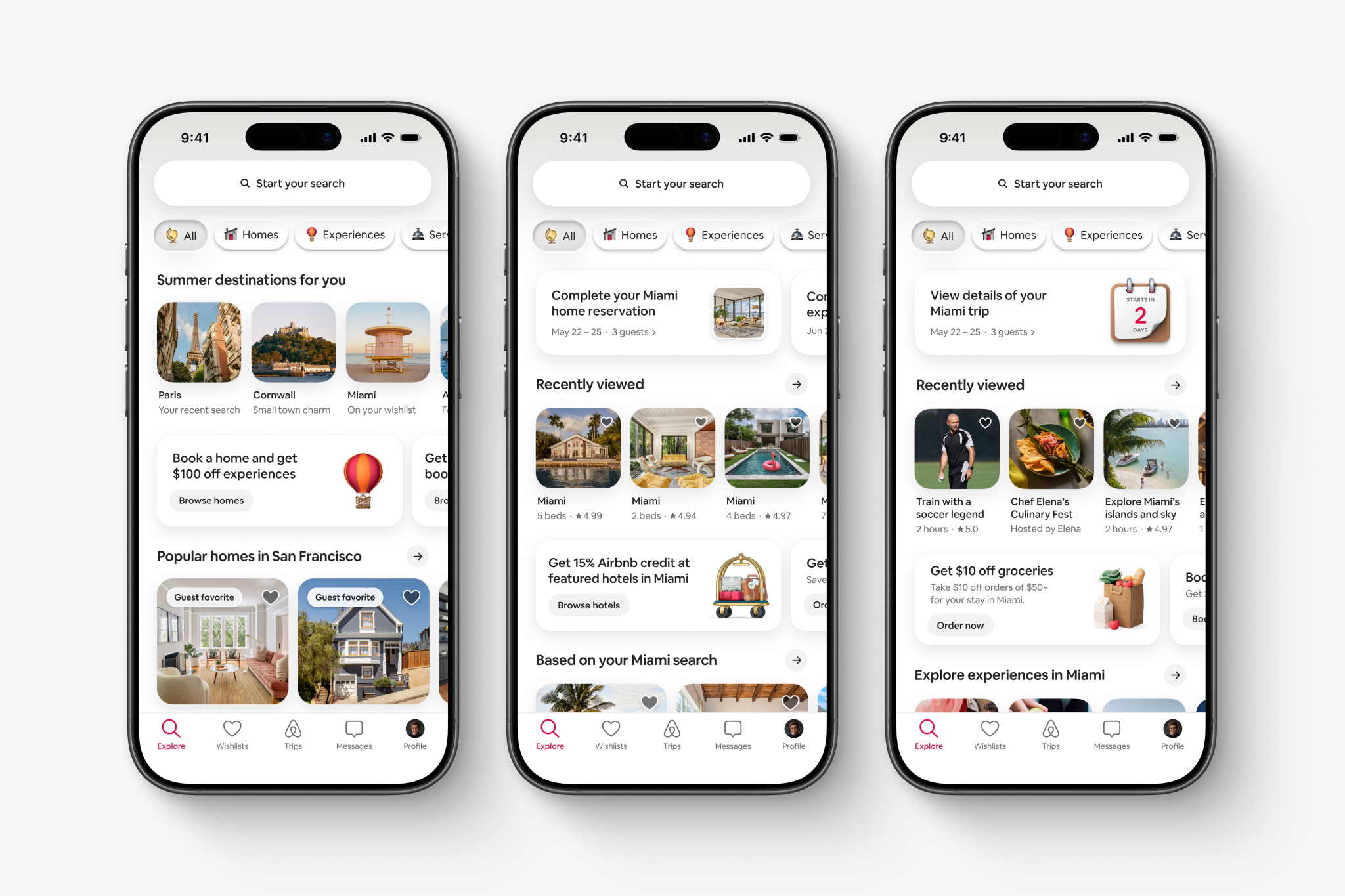
Airbnb has unveiled its “2026 Summer Release”, one of the most ambitious updates in its history. What was once primarily a holiday rental platform is rapidly transforming into a complete travel ecosystem driven by artificial intelligence, additional services, and integrated experiences.
The company has added new service categories, boutique hotels, AI-powered tools, and social functionalities that change both how guests book and how hosts compete for visibility.
For Spanish hosts — from owners of tourist apartments in cities like Madrid or Seville to managers of holiday homes on the Costa del Sol or the Balearic Islands — this launch can represent both a great opportunity and a significant strategic shift.
Airbnb no longer wants to be just “a place to sleep”
The message behind this update is clear: Airbnb wants to become a comprehensive travel platform.
The company is expanding its offering to cover practically the entire traveller journey:
accommodation
transport
in-stay services
local experiences
trip planning
customer support
personalised recommendations via AI
CEO Brian Chesky himself has explained that the vision is to turn Airbnb into a kind of “Amazon of travel”.
For hosts, this means that accommodation is no longer the sole focus of the experience. It now competes within a much broader ecosystem.
New services: more convenience for guests
One of the biggest new features is the incorporation of additional services integrated directly into the app.
Grocery delivery
Airbnb has incorporated food and grocery delivery through logistics partnerships like Instacart in selected markets.
What does this mean for hosts?
This can significantly improve the arrival experience for:
guests arriving late
families with children
international travellers
long stays
Accommodations prepared to facilitate this service will likely receive better ratings.
Practical recommendation
Hosts should:
leave clear reception instructions
enable secure areas for deliveries
include recommendations for local supermarkets
mention this convenience in the listing description
Airport transfers
Airbnb also integrates airport pickups through associated services like Welcome Pickups, available in over 160 cities.
Impact for hosts
Check-in becomes smoother, especially in high-volume international tourist destinations in Spain:
Málaga
Barcelona
Madrid
Valencia
Palma de Mallorca
This reduces:
problematic late arrivals
lost guests
communication incidents
Additional opportunity
Hosts can collaborate with local drivers or transfer companies to offer personalised recommendations and enhance the premium experience.
Luggage storage
Airbnb has also added luggage storage through agreements with global networks like Bounce.
Why it matters
One of the biggest friction points in holiday rentals has always been:
early check-out
late flights
lack of luggage space
Now Airbnb is trying to directly solve this problem.
Consequence for hosts
Accommodations that cannot offer late check-out can still provide a positive experience thanks to integrated external solutions.
Car rentals
The platform also incorporates car rentals within the app.
This is especially relevant for Spanish destinations where a car is key:
Canary Islands
Balearic Islands
Costa Brava
Rural Andalusia
Asturias
Galicia
What hosts can do
Hosts can:
recommend local routes
create parking guides
highlight ease of road access
include information on electric charging stations
New experiences: Airbnb is once again strongly committed to local
Experiences return with much more force and better integration.
Culture, gastronomy, and emblematic places
Airbnb expands experiences related to:
local gastronomy
culture
monuments
historic neighbourhoods
unique activities
This fits particularly well with Spain, where the local experience is one of the main reasons for travel.
Huge opportunity for hosts
Hosts can differentiate themselves if they:
recommend authentic businesses
collaborate with local guides
offer personalised itineraries
create alliances with nearby experiences
The algorithm will likely reward accommodations connected to their surroundings.
FIFA World Cup 2026
Airbnb will be a prominent partner for experiences related to the FIFA World Cup 2026.
Although Spain is not a host country, this will have an indirect impact:
increase in international travel
combined Europe-America tourism
more demand for flexible accommodations
Airbnb expects it to be one of the biggest booking events in its history.
Boutique hotels officially arrive on Airbnb
Perhaps the most significant change for hosts is this one.
Airbnb is incorporating boutique and independent hotels in key cities.
What it really means
The line between hotel and tourist accommodation blurs.
Now a guest can directly compare:
a tourist apartment
a rural house
a boutique hotel
an aparthotel
…all within the same search.
How it affects independent hosts
Increased competition
Hotels offer:
24h reception
professional cleaning
consistent services
more flexible cancellations
That can raise guest expectations.
But there are also opportunities
The accommodations that will perform best will be those that offer something a hotel cannot easily replicate:
personality
authenticity
space
unique design
local experience
human connection
Hosts who relied solely on low prices might face more competitive pressure.
New ways to find accommodations
Airbnb has also redesigned how accommodations are discovered.
The platform now wants to help guests decide faster through AI and contextual recommendations.
AI-powered review summaries
AI will analyse hundreds of reviews and display automatic summaries.
What changes
Many guests will no longer read full reviews.
AI will automatically highlight aspects such as:
cleanliness
location
comfort
noise
Wi-Fi quality
ease of check-in
Critical implication for hosts
Repeated patterns in ratings will be much more important.
For example:
if several guests mention noise → AI will highlight it
if everyone highlights spectacular views → that will also appear
Recommended action
Hosts should review:
what themes are repeated
what negative points frequently appear
what differential strengths customers highlight
AI-driven listing comparison
Airbnb will allow much smarter comparison of accommodations.
AI will analyse:
price
services
size
location
ratings
similar features
This can reduce impulsive bookings and increase direct competition.
Important consequence
Generic descriptions will lose effectiveness.
Phrases like:
“beautiful apartment”
“excellent location”
“very cosy”
will no longer suffice.
What will work better
Concrete information:
“30 m² private terrace”
“1 GB fibre optic”
“5 minutes walk from the beach”
“air conditioning in all rooms”
Shared itineraries and travel map
Airbnb introduces social and shared planning features.
Travellers will be able to:
share plans
save places
coordinate bookings
see friends' recommendations
What it means for hosts
Accommodation is more integrated into the overall trip planning.
Listings with better contextual content could benefit more:
local guides
gastronomic recommendations
activity lists
personalised maps
AI-powered customer support
Airbnb already uses AI in a significant part of its customer support.
The platform states that a large proportion of queries are already managed automatically.
Potential advantages
faster responses
immediate resolution of simple incidents
less friction for guests
Risks for hosts
There may be concerns about:
automated decisions
more difficult disputes
less human intervention
misinterpretations
Hosts will need to better document any incidents.
The big change: AI will be present throughout the journey
The true message of the Summer Release is not the individual services.
It is the total integration of artificial intelligence into the Airbnb experience.
AI will influence:
which listings are shown
which photos appear first
which reviews are highlighted
how properties are compared
how customers are responded to
which experiences are recommended
In other words: Airbnb is no longer just a marketplace. It is a much more active algorithmic intermediary.
What hosts should do now
1. Optimise descriptions for AI
Use clear and specific language:
square metres
Wi-Fi speed
actual distance to key points
specific equipment
2. Improve review consistency
Repeated mentions will carry more weight.
It is advisable to eliminate recurring friction points:
confusing instructions
cleaning issues
noise
check-in delays
3. Differentiate emotionally
With hotels entering Airbnb, authenticity will be more important.
Memorable accommodations will have an advantage over impersonal options.
4. Create a local experience
It's not enough to offer a bed.
The best hosts will act as destination “curators”:
exclusive recommendations
own guides
local collaborations
authentic experiences
5. Review pricing strategy
Automatic comparison will make any mismatch between price and value more visible.
It will be key to understand:
what the competition offers
what the guest perceives
what extras justify the price
Furthermore, in this new scenario where Airbnb is committed to automation and artificial intelligence, tools like Raixer can make a difference for many hosts, as they help simplify daily management, optimise processes, and offer a more professional and efficient experience to guests.
Conclusion
The Airbnb Summer Release 2026 marks a significant turning point.
Airbnb is evolving from an accommodation platform into a complete travel ecosystem driven by AI, services, and experiences.
For Spanish hosts, this implies:
more competition
more demanding guests
decisions influenced by algorithms
a need to differentiate better
But it also opens up enormous opportunities for those who know how to offer:
authenticity
local experience
consistent quality
real value beyond accommodation
Hosts who quickly understand this new model will likely be better positioned for the coming years of digital tourism.