Access Systems for Storage Units and Garages: Much More Than Opening a Door
For communities, real estate agencies, parking lots, or storage companies, digitizing access is becoming a clear competitive advantage.
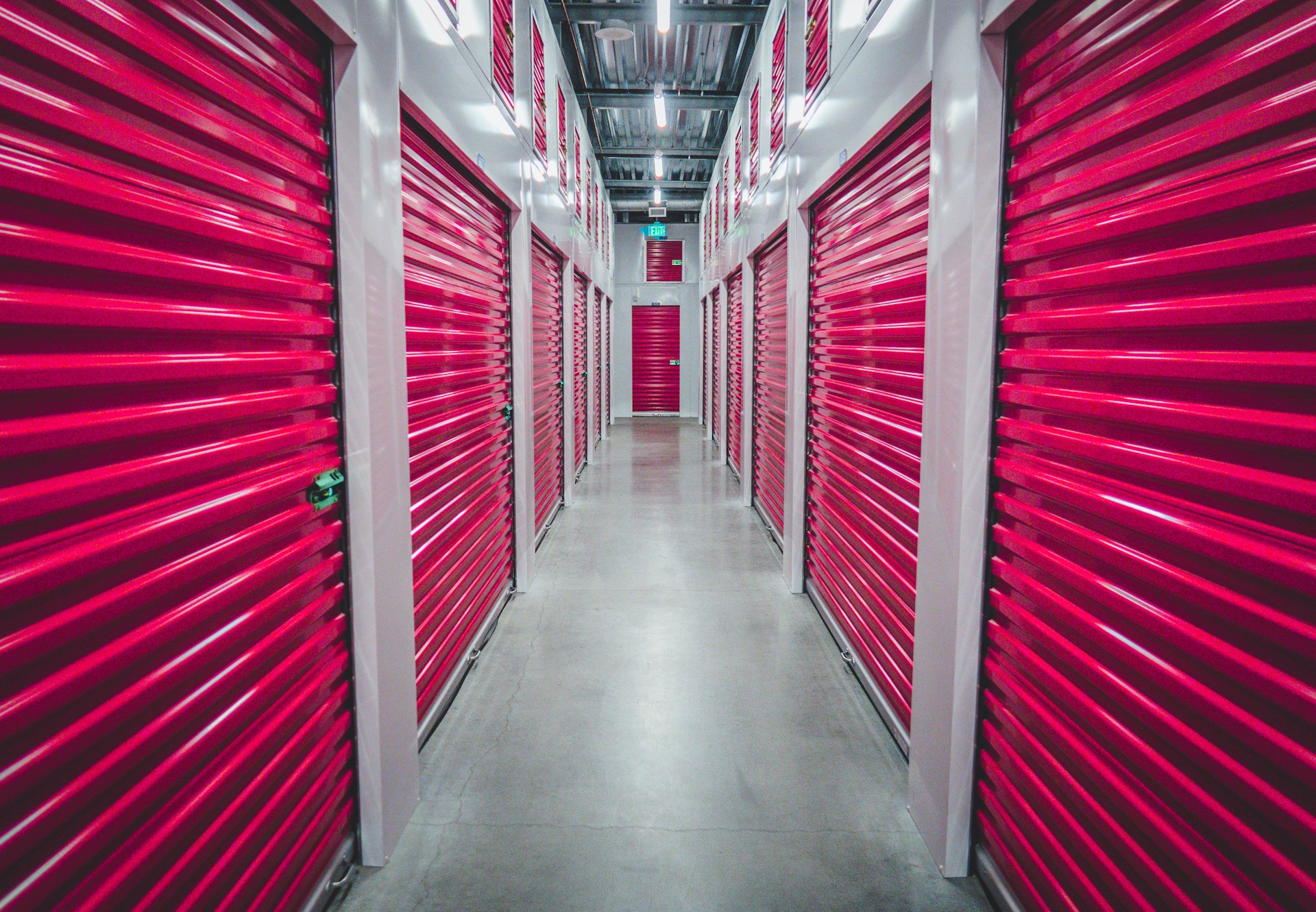
When talking about smart access, almost everyone thinks of opening a door from their mobile phone. But in reality, the most important change is not how a garage or storage unit is opened, but how spaces are managed.
Because the problem is no longer just about entering.
The problem is:
coordinating users
preventing incidents
reducing calls
controlling occupancy
automating operations
saving time
professionalizing management
And that's where modern systems truly make a difference.
The operational chaos of traditional access
Many garages and storage units still operate with models designed 20 years ago.
The result is usually always similar:
neighbors who don't know who has a copy
remotes that appear “suddenly”
doors accidentally left open
uncontrolled shared access
owners who physically depend on handing over keys
In buildings with high turnover, vacation rentals, or multiple users, this becomes a constant operational problem.
Most incidents are not technological. They are human.
The hidden cost of manual access management
There's something that is almost never calculated: lost time.
Every incident involves:
calls
travel
coordination
permission changes
waiting
duplicates
technical reviews
In businesses like self-storage, real estate, or parking space rentals, that time eventually turns into money.
Many operators discover that automating access not only improves security. It also drastically reduces operational costs.
Urban storage units: from warehouses to digital businesses
Storage units have changed a lot.
Before, they were simple enclosed spaces. Now many function practically as digital platforms:
online booking
automated payment
remote access
instant registration
autonomous entry
Some self-storage centers already operate almost without on-site staff.
The user books from their mobile phone and receives access automatically.
No keys.
No office.
No waiting.
Garages are starting to monetize better
Another important change is the flexible rental of parking spaces.
Many owners have empty spaces for much of the day:
offices empty at night
neighbors away on vacation
underutilized parking lots
With smart systems, sharing a parking space no longer requires handing over physical remotes.
Now you can generate:
scheduled access
temporary permissions
remote openings
automatic access by license plate or mobile phone
This is driving new models of shared use and temporary rental. If you want to know which one to choose for your case, discover all the options in our article on Types of Garage Access 2026.
The current obsession: eliminating friction
The modern user wants to enter without thinking.
The fewer steps there are:
better experience
fewer incidents
less support
fewer errors
That's why systems like these are growing:
automatic proximity opening
license plate recognition
access from a smartwatch
geolocated unlocking
automation according to schedules
The trend is towards invisible access.
What worries most today: security and squatting
In many cities, storage units and garages have become vulnerable points.
Especially:
empty buildings
new developments
second homes
isolated parking lots
unsupervised properties
Here, smart access provides something key: visibility.
It's no longer just about preventing entry.
It's about knowing exactly:
who accessed
when
for how long
from which device
This control greatly reduces uncertainty.
Real estate agencies are completely changing the way they show properties
One of the sectors where automation is most noticeable is real estate.
Before:
coordinating visits
collecting keys
traveling
opening properties
closing again
Now many agencies use systems where:
the buyer receives temporary access
the visit is registered
the door is opened remotely
there's no need to hand over physical keys
This allows more properties to be shown with less staff and less wasted time.
The true value is in centralized management
The big difference is not in the device.
It's in the software.
Because managing:
2 accesses is easy
200 accesses completely changes the problem
That's where platforms like Raixer make sense: they allow you to control multiple spaces, users, and permissions from a single panel, without relying on physical keys, remotes, or in-person management.
The future is not about locks
It's about automation.
Access systems are evolving into connected platforms with:
cameras
sensors
alarms
home automation
AI
behavioral analytics
In a few years, it will be normal for a system to:
detect strange access
automatically block permissions
activate cameras
generate alerts
automate incidents
All without human intervention.
Conclusion
Smart access is no longer simply a technological improvement.
It is becoming operational infrastructure for:
communities
urban storage units
real estate agencies
parking lots
offices
vacation rentals
The goal is no longer just to open doors.
It is to manage spaces more efficiently, securely, and scalably.