Technological Solutions for the Elderly and Dependants
Discover innovative technological solutions for elderly and dependent care. Improve safety, independence, and daily life with smart access control and more.
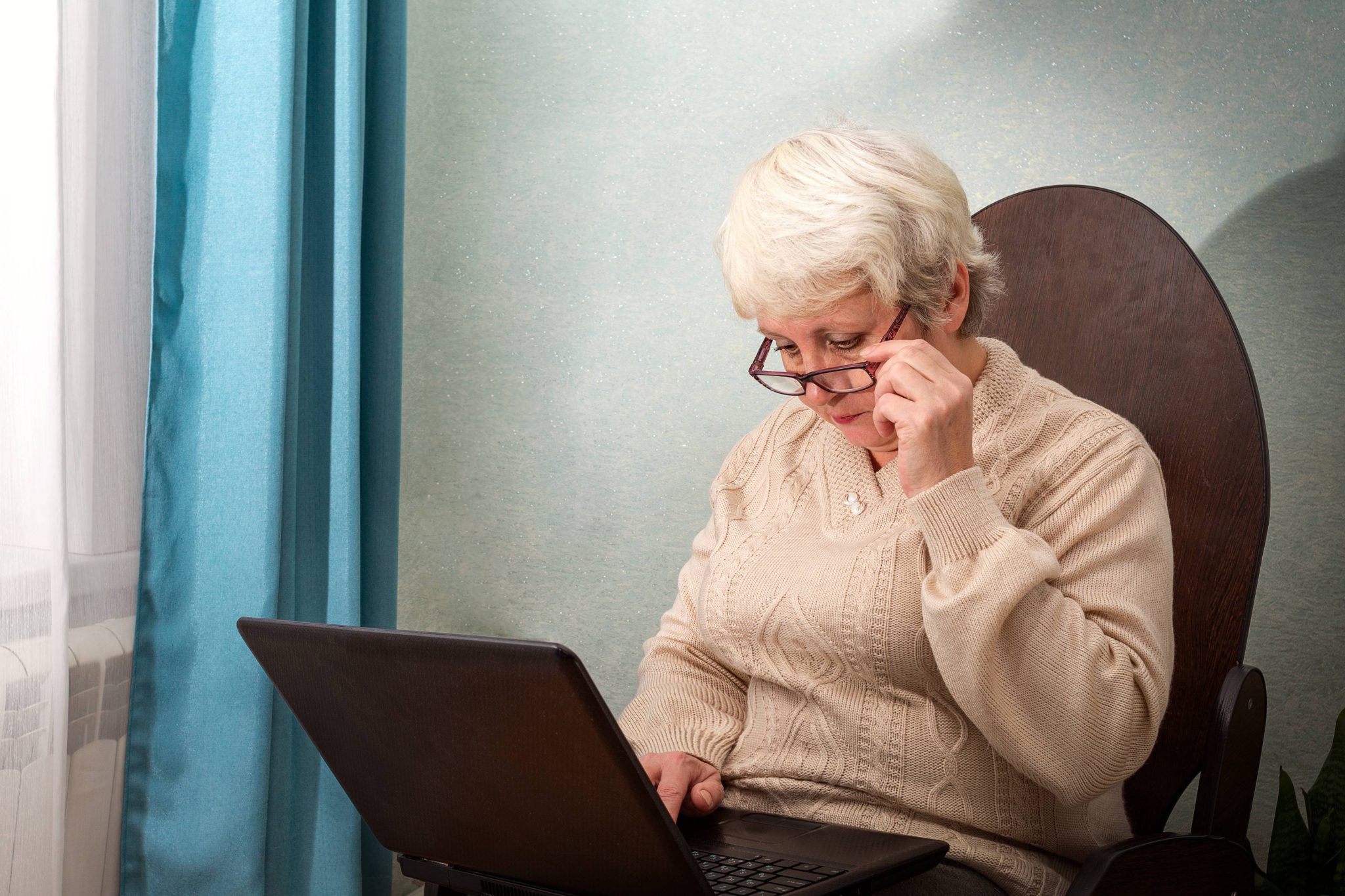
The elderly and dependants constitute a very special group, bringing together experience and wisdom, and great courage to overcome the difficulties inherent in their condition. In the midst of the digital age, the care of the elderly and dependants adapts to new times by integrating adapted technological solutions, thus greatly helping to provide all these people with an easier life.
The "unresolved issues" of the elderly and dependants with technology
When people lose their autonomy, daily life becomes an uphill battle: tasks that normally no one stops to analyse begin to turn into daily obstacles that hinder day-to-day life. Professionals who care for these people work to make their routines more accessible, almost always with manual methods.Furthermore, the digital divide separating the elderly from digital natives can make this group feel outdated compared to younger people: it is difficult to imagine a daily life without the Internet, social networks or streaming, and many elderly people are very reluctant to adopt new technologies in their lives.However, it is paradoxical to see that the very technology to which some do not adapt and others voluntarily renounce, is precisely a means of support both for the elderly or dependants themselves, and for those who provide socio-sanitary care for them.
Some technological solutions designed for the care of the elderly and dependants
Technological advancements allow for achievements that seem “science fiction” to many elderly people: lights turning on by themselves, doors opening and closing without being touched, being able to make a video call to their children and grandchildren with a button, or their vital and physical signs being collected by a watch and remotely monitored by someone watching over them.
Home Automation
Home automation is the set of techniques that automate certain routines in homes, such as controlling lighting, locks, climate control or energy management: they replace human control and allow for scheduling by hours or events.Through the use of home automation, the elderly and dependants can delegate certain tasks and checks to smart systems that, fortunately, usually work quite regularly.When family help is not possible, and an elderly person has to live alone, having home automation devices can truly make their life easier, both for them and their families: from establishing routines for turning boilers or lights on and off, to visual checks using video cameras.Professionals dedicated to caring for the elderly and dependants find video cameras to be a great ally: with a relatively low delay rate, the person can be monitored and assisted with relative speed.
Smart Locks
One of the obstacles that these individuals often have to overcome is something as simple as opening the front door: they forget where the key is, spend a lot of time finding it, or it is lost altogether.The solution, again, lies in home automation; and involves installing a smart lock or automatic opening device, at least, at the main entrance: a time slot can be established in which the person can always cross the door when ringing the doorbell.If we also consider residences or day centers, staff can open doors through a central control system via web or an app on their smartphone: this is the best option for people with recurrent access.Greater security can also be implemented by previously validating the identity of those who are going to cross the door: this involves configuring the access system to generate a phone number, so that the person who is going to enter makes a missed call with their mobile number (previously authenticated in the control application), and this missed call functions as a doorbell ring to grant them access.
Smart Bracelets
Smart bracelets are a type of wearable whose main functionalities include monitoring some vital signs, such as heart and respiratory rate, as well as serving as an alert to emergency health services (or designated emergency contacts) if they detect that the person has fallen or been hit.Another of their great aids is to provide a precise GPS location of the person: many elderly people suffering from severe cognitive impairment can experience episodes of absence and disorientation, with the consequent risk of getting lost.
Telecare
The elderly and dependants are particularly exposed to spending many hours alone. Isolation is one of their biggest enemies, as we sadly saw at the beginning of the confinement in Spain, when so many elderly people died in their homes without any of their relatives noticing until several days after their death.Having a Tablet or a smartphone connected to the Internet could be a real lifesaver for these people: instant messaging and video conferencing applications have gained more prominence than ever, and have established themselves as great allies to alleviate the loneliness of the elderly, bringing their family and loved ones to their screens with astonishing ease.And on the other side of the screen are not only family or friends: also professionals in geriatric care, accessible through simple applications on their phones, who can chat with the elderly or dependant person, monitor their health status and refer them to specialized or urgent care if complications are suspected.The care of the elderly and dependants is poised to become another challenge addressed by technological advancements, and the accessibility of locks is one of the most common and important points that we believe these individuals need to have resolved. At Raixer, we are committed to a smart lock system that is secure and extremely easy to install and use.
We also recommend downloading the employment contract template for elderly caregivers.