Short-term rental security: how to protect your property without complications
Enhance your short-term rental security effortlessly. Discover smart locks and access control solutions to protect your property and guests. Get peace of mind!
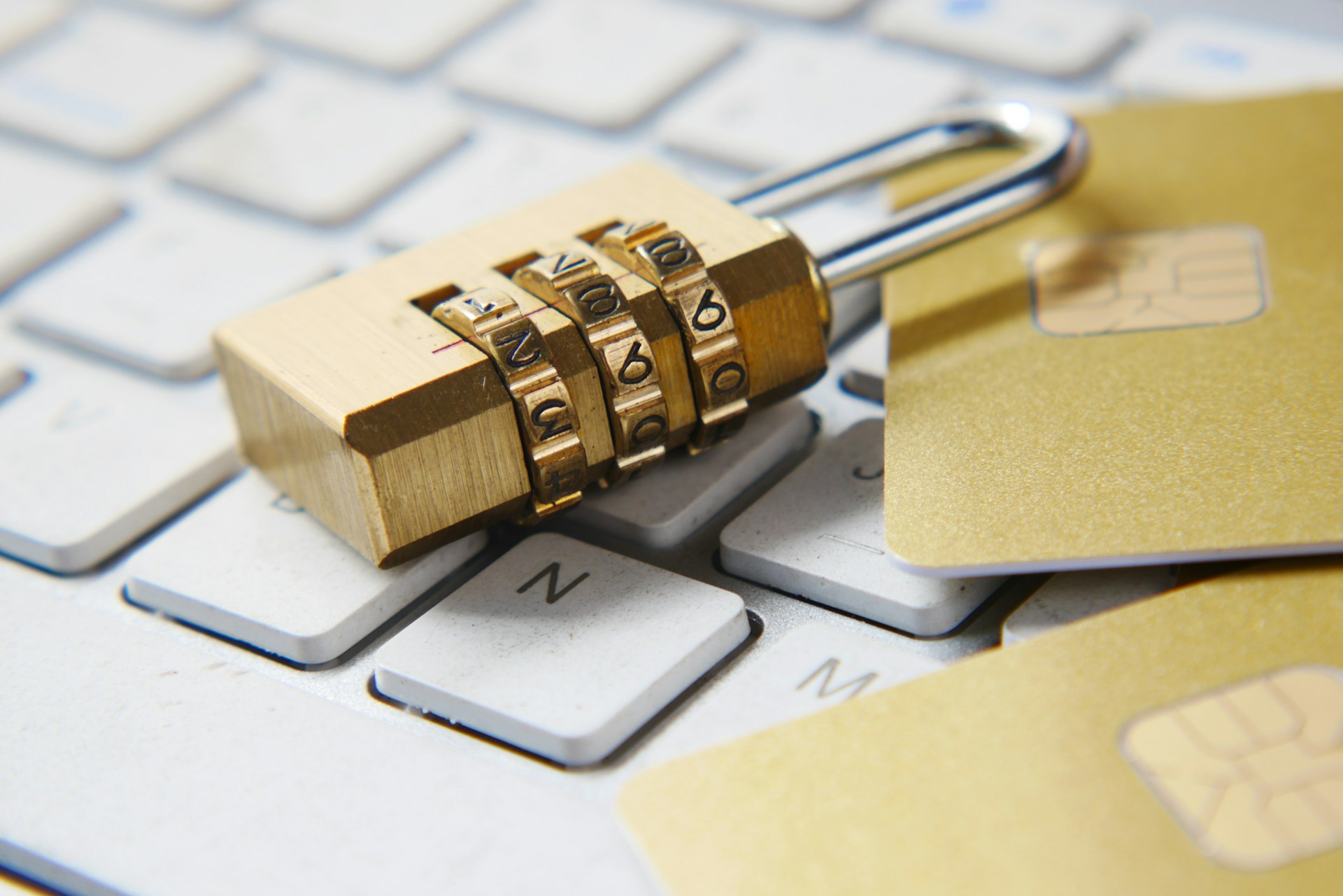
Short-term rentals have become one of the most important sources of additional income for property owners in Spain and around the world. Platforms like Airbnb, Vrbo, and Booking have revolutionized how travelers search for accommodation, offering unique experiences and flexibility. However, this modality carries risks associated with property security due to the high turnover of guests and the presence of strangers in the dwelling.
According to data from the Rental Observatory, in 2024, more than 4,400 burglaries were registered in rental homes in Spain, with Madrid and Barcelona leading the incidents. In addition, 68% of tenants state that security is a decisive factor when booking short-stay accommodation (observatoriodelalquiler.org). This shows that, beyond protecting assets, security directly influences the perception of service and the reputation of the accommodation.
Below are strategies, technologies, and best practices to ensure security in short-term rentals efficiently and without complications, based on industry statistics and trends.
1. Smart locks: efficient and remote control
Smart locks represent one of the most significant advances in short-term rental security. Unlike traditional locks, these allow for remote access management, assignment of temporary codes, and a complete record of entries and exits.
Main advantages
- Remote access: Allows opening or closing the door from anywhere via a mobile application, avoiding problems with physical keys and unauthorized access.
- Temporary codes: Guests receive time-limited codes, eliminating the need for keys and reducing the risk of duplication.
- Access log: Facilitates control over who enters and exits the property, improving traceability and security.
- Integration with management platforms: Some smart locks synchronize with booking systems, automating code creation and improving operational efficiency.
Recent studies indicate that properties using smart locks report up to 40% fewer incidents related to unauthorized access. This shows that investment in access control technology translates into tangible and measurable security.
2. Security cameras: deterrence and monitoring
The installation of visible security cameras at entrances and common areas is a proven strategy to prevent theft and record incidents. The mere presence of cameras acts as a deterrent, while recording systems provide useful evidence in case of claims or complaints.
Key considerations
- Strategic location: Place cameras only in public spaces and main entrances, avoiding private areas, to comply with privacy legislation.
- Guest notification: Informing visitors about the existence of cameras in the accommodation terms generates transparency and trust.
- Quality and connectivity: Opting for cameras with HD resolution and remote access allows for effective real-time monitoring.
According to the IFSEC Global consultancy, properties with visible cameras are 50% less likely to be targets of theft, demonstrating the effectiveness of this measure as a preventive tool.
3. Smart lighting: preventive security and efficiency
Smart lighting is a simple yet effective security measure. Programming exterior and interior lights allows for simulating presence, creating the impression that the property is occupied even when there are no guests.
Benefits
- Presence simulation: Programming alternating lights helps deter intruders, creating a safer environment.
- Energy efficiency: Smart systems allow only necessary lights to be turned on and intensity to be adjusted, reducing electricity consumption.
- Remote control: Lighting schedules and scenarios can be modified from mobile devices, adapting security to the needs of each occupancy period.
According to industry studies, presence simulation through lighting reduces the risk of theft in vacation homes by 30%, making it an economical and efficient preventive strategy.
4. Motion sensors and alarm systems
Connected motion sensors and alarm systems offer an additional layer of protection, alerting the owner or security services to any unusual activity. These systems are increasingly common in short-term rentals due to their effectiveness and low maintenance.
Essential features
- Immediate alerts: Real-time notifications allow for quick decisions in the face of possible intrusions.
- Technological integration: By combining sensors with cameras and smart locks, a comprehensive and centralized security system is achieved.
- Configuration flexibility: Sensitivity and activation schedules can be adjusted, adapting protection to the property's occupancy routine.
The implementation of alarm systems and motion sensors has been shown to reduce intrusion incidents in rental properties by over 25%, according to data from the residential security sector.
5. House rules and communication with guests
Guest management is as important as technology in preventing incidents. Maintaining clear communication and establishing house rules reduces risks and improves the guest experience.
Best practices
- Clear instructions: Providing information on the use of smart locks, alarms, or cameras ensures guests know how to respect property security.
- House rules: Establishing occupancy limits, schedules, and behaviors avoids conflicts and potential damages.
- Open communication channels: Maintaining fast and direct contact allows incidents or questions to be resolved before they become major problems.
Research shows that 70% of incidents in short-term rentals are related to communication problems between hosts and guests, highlighting the importance of this complementary strategy.
6. Specialized insurance for short-term rentals
Although technology reduces risks, specialized insurance is essential to protect investment and mitigate losses. This insurance usually covers property damage, theft of items, and civil liability against accidents.
Benefits of adequate insurance
- Economic protection: Minimizes losses due to accidental damage or vandalism.
- Peace of mind for the host: Allows property management without excessive worry about unforeseen events.
- Legal compliance: Some insurance is a requirement to operate on certain platforms or municipalities, ensuring the owner complies with local regulations.
Industry data indicates that 85% of short-term rental owners consider insurance a key element for operating safely and professionally.
7. Integrated strategy: combining measures
The most effective security is achieved through an integrated approach that combines technology, communication, and legal support. A comprehensive strategy can include:
- Smart locks with temporary codes.
- Visible and monitored security cameras.
- Connected motion sensors and alarm systems.
- Smart lighting for presence simulation.
- Clear house rules and effective communication with guests.
- Specialized insurance to cover residential risks and civil liability.
This combination not only protects the property but also builds trust with guests, enhances the accommodation's reputation, and increases the likelihood of recurring bookings.
8. Future trends in short-term rental security
Short-term rental security is evolving rapidly thanks to technology. Some key trends include:
- Biometrics: Access via fingerprint or facial recognition, reducing reliance on codes or keys.
- Artificial intelligence: Systems that analyze entry patterns and alert about unusual behaviors.
- Integration with home automation: Platforms that simultaneously control locks, lights, cameras, and alarms, centralizing management.
Companies like Raixer offer advanced solutions that allow for managing multiple access methods, including PIN code, NFC, mobile app, remote control, integration with voice assistants, and proximity cards, adapting to any type of property and optimizing security without complications.
Security in short-term rentals doesn't have to be complicated. The combination of advanced technology, clear house rules, and legal support ensures effective protection for both property and guests.
Implementing measures such as smart locks, cameras, motion sensors, controlled lighting, and specialized insurance helps reduce risks, increase visitor confidence, and improve the accommodation's reputation. Furthermore, these actions contribute to an increase in occupancy and customer loyalty, ensuring that short-term rental is a profitable and sustainable activity.
In a competitive and constantly growing sector, investing in security is not an expense but a strategy that protects your property, your income, and the experience of those who trust your accommodation.