Noise Regulations and Tourist Accommodation
Discover noise regulations in tourist accommodation, how to manage it effectively, and available resources for hosts and neighbors. Avoid coexistence problems!
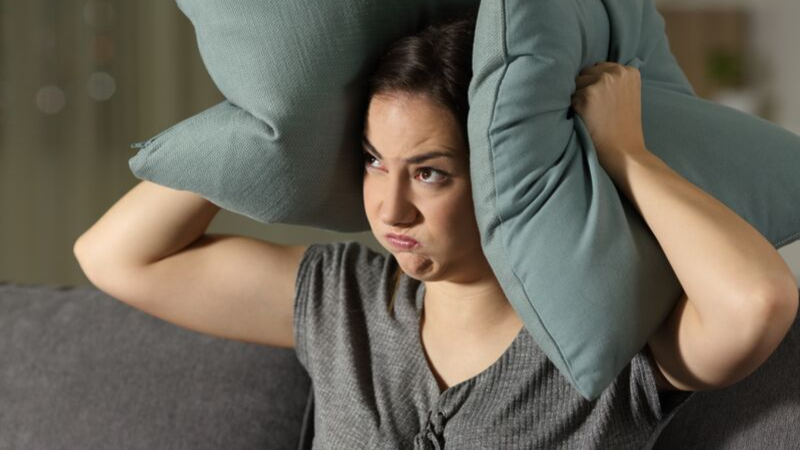
In this post about noise regulations in tourist accommodation, we will try to understand what the main source of noise in vacation rental properties is and what resources neighbors and hosts have at their disposal to limit it. We will conclude with the competent bodies regarding noise legislation.
Ready? Let's begin!
[toc]
Vacation Rentals as a Source of Noise
Undoubtedly, noise is one of the main coexistence problems that vacation rental hosts face in their businesses. In fact, preventing parties in your accommodation is critical to maintaining a good relationship with the neighbor community.
Not only local councils, through noise regulations in tourist accommodation, but also the OTA par excellence, Airbnb, states that noise control in its accommodations is an important part of its decalogue for being a responsible host.
Guests book accommodations through Airbnb for many reasons, including going on vacation or traveling for a celebration. To make it a pleasant experience for everyone, explain in advance that noise can disturb your neighbors.Being a responsible host on Airbnb
If you are concerned that they may be disturbed during their stay, you can prevent excessive noise by being explicit in the house rules. Explain them in the welcome book.
Furthermore, if you allow pets in your tourist apartment, you must convey that owners are responsible for their animals.
Who is responsible for noise in a vacation rental according to regulations?
The first measure that neighbors will take to reduce this problem, following noise regulations in tourist accommodation, will be to forward the complaint to the host. As a host, you must be diligent in processing these claims. Your goal is to be quick in addressing these nuisances. Remember that the next steps neighbors will take will be to notify the administrator or owner of the community. And this continuous situation will turn neighbors against your business.
If the noise in your vacation rental persists, local police may intervene. They will take acoustic measurements at that moment and may file a complaint...
But, who is responsible for noise in tourist accommodation according to legislation?
Law 37/2003 is clear: the party responsible for non-compliance with acoustic regulations is the subject causing the action, that is, the guests currently occupying your tourist accommodation. Vacation rental hosts are not responsible for the noise caused by their guests.
It is common sense: the moral responsibility of hosts to be vigilant about the noise caused by their commercial activity.
Applicable Legislation on Noise in Tourist Accommodation
Most of the noise regulations for tourist accommodation fall under local jurisdiction. Local councils are the competent administration to regulate acceptable noise thresholds. It should be noted that legislation differentiates between vacation rental housing and tourist use. While with the former (the classic blocks of tourist apartments), the cessation of activity is complicated, in the latter (the typical Airbnb in a residential block), it is simpler.
The Tourism Administration
Regulations on tourist accommodation – not only noise regulations – require in some autonomous communities the obtaining of a title/registration that enables the start of commercial activity (tourist use). Some tourism regulations require tourist accommodation to obtain an enabling title for the start of the activity.
If neighbor complaints are prolonged over time, legislation on noise in tourist accommodation contemplates that the competent authority (City Council or Autonomous Community) can investigate your vacation accommodation and provisionally cease the activity or sanction you financially.
Beyond Legislation. Resources to Prevent Noise from Tourist Accommodation Guests
Below are some ways to prevent noise from your guests, beyond tourist accommodation legislation.
- Establish a quiet hours policy.
- Do not allow pets.
- Indicate that your accommodation is not suitable for children or babies.
- Prohibit parties and unregistered additional guests.
Furthermore, a good host of tourist accommodations – beyond what noise regulations state – must be diligent in controlling it. You can use noise sensors for this.
For example, the Raixer smart lock has an integrated noise sensor that allows you to monitor noise in your home and records activity in the app.
Did you like this post about noise regulations in tourist accommodation? You can subscribe to our newsletter by completing the form below.