How to prevent and manage chargebacks in vacation rentals
Learn how to prevent and manage chargebacks in vacation rentals. Protect your business, minimize losses, and improve the guest experience. Discover how here!
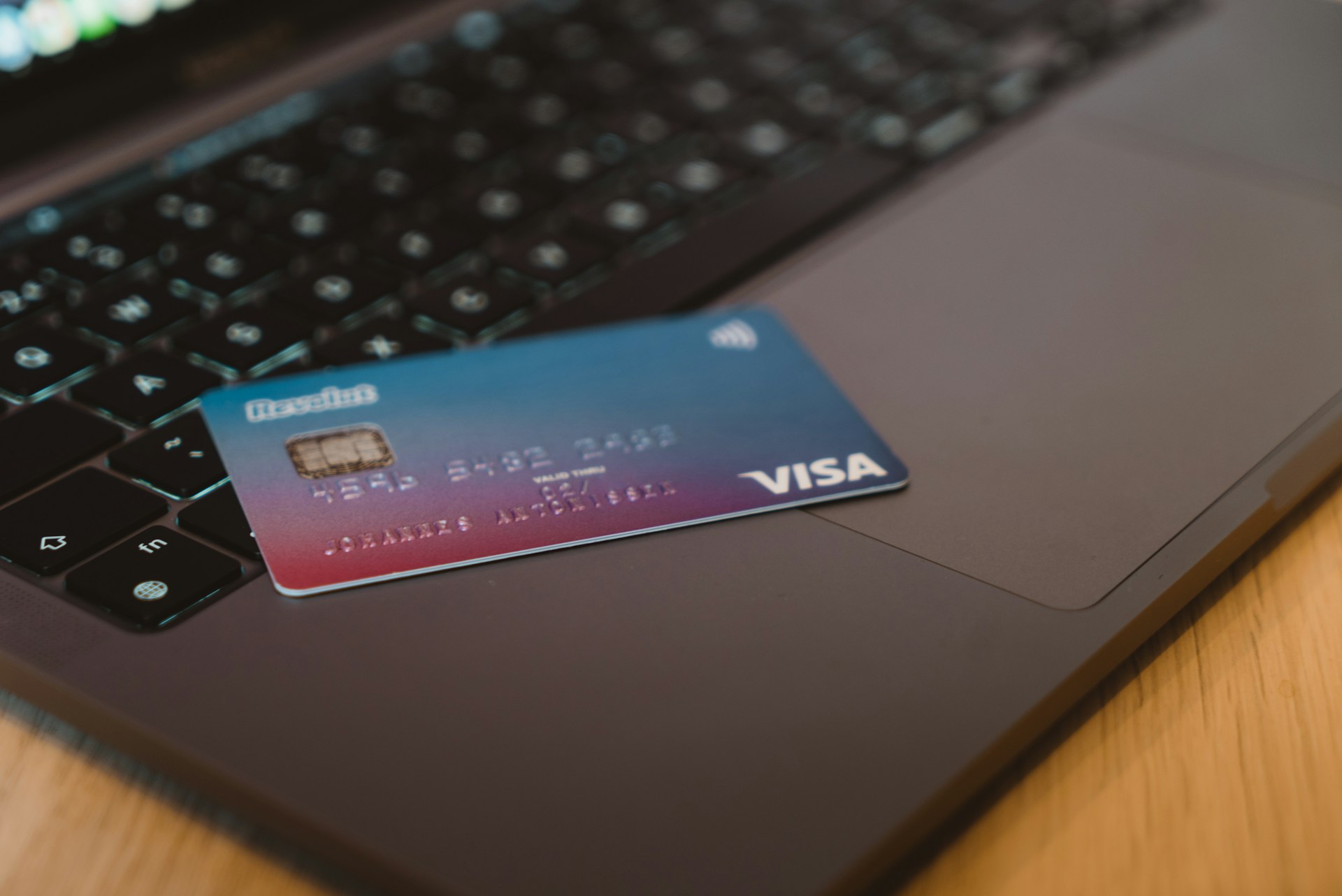
In the world of vacation property rentals, one of the biggest challenges faced by hosts and property management companies is chargebacks. This process can be costly, tedious, and, at times, can affect your business's reputation. To avoid such situations and effectively manage chargebacks when they occur, it is crucial to understand what they are, how to prevent them, and how to handle them properly.
What is a chargeback?
A chargeback is a reversal of a transaction made with a credit or debit card, initiated by the cardholder. When a consumer disputes a payment they made with their bank or card issuer, they can request a chargeback, which can result in the cancellation of the original transaction. In other words, a chargeback is a form of protection for consumers in case they do not receive the service or product they were promised.
In the context of vacation rentals, chargebacks can occur if a guest feels they have not received what was promised or if there is a dispute over charges on their card. If the chargeback is approved, the money will be returned to the customer, and the vacation rental owner will lose both the transaction amount and any additional fees associated with the chargeback process.
Types of chargebacks
There are different reasons why a guest might request a chargeback. Below are the three most common types of chargebacks in the vacation rental sector:
-Merchant error: This type of chargeback occurs when the owner or rental company makes an error in processing the payment, either due to an incorrect charge, a duplicate charge, or unauthorized charges. This type of chargeback is easily avoided by ensuring that the transaction is processed correctly.
-Unauthorized card use: If someone makes a reservation using a credit card without the cardholder's permission, the cardholder can file a chargeback claiming the transaction was fraudulent. This type of chargeback is an inherent risk when accepting card payments, and to prevent it, it is important to verify the authenticity of transactions.
-Consumer disputes: Guests may dispute a charge if they feel the property was not as described in the listing, if they encountered problems at the property during their stay, or if they were not satisfied with the service received. Disputes can arise even if the guest disagrees with the price, quality, or conditions of the accommodation.
How to prevent chargebacks?
Although chargebacks are an inevitable part of commerce, especially in a digital environment like vacation rentals, there are several strategies to minimize the risk of them occurring. Here are some best practices to avoid chargebacks:
1. Highlight your cancellation policies at checkout
One of the main reasons guests request chargebacks is due to misunderstandings about cancellation policies. To avoid this, it is important that your cancellation policy is clearly stated at the time of payment, so guests understand the conditions before finalizing the transaction. Make sure they are highlighted during the booking process.
2. Provide clear property descriptions
Chargebacks due to consumer disputes often occur when guests feel the property did not meet their expectations. Avoid these disputes by providing clear, detailed, and accurate property descriptions across all booking channels. Include high-quality photos and mention any important features or limitations that guests should be aware of before booking.
3. Keep your amenities updated
One of the most common causes of disputes is guests not receiving what they expected in terms of amenities or services. Ensure that all advertised amenities are in working order and that any online descriptions are accurate and up-to-date. If you make improvements to the property, update your listing to reflect these changes.
4. Display policies clearly
In addition to cancellation policies, it is important that all your rental policies, such as those for deposits, check-in, check-out, and expected behavior at the property, are clearly visible and understandable. Include these policies on your website, on the booking platform, and in the booking confirmation to avoid surprises.
5. Set up a seamless check-in process
A quick and easy check-in process can improve the guest experience and reduce the likelihood of disputes. Ensure that the entry process is efficient, that guests have access to all the information they need (such as how to access the property or the lock code), and that there is an easy way to contact you in case they have any problems.
In this regard, Raixer can be a great ally for hosts. Its smart lock system, which offers multiple opening methods such as PIN codes, NFC, mobile app, remote control, and integration with voice assistants, ensures a smooth and secure check-in experience for guests. In addition, the Raixer solution allows hosts to manage access remotely, optimizing control and minimizing potential disputes related to property access.
6. Communicate with guests
Constant communication with guests can help reduce problems that can lead to chargebacks. Make sure you are available to resolve any issues or questions before, during, and after their stay. This can include sending them check-in reminders, providing useful information about the property and the area, or quickly responding to any questions.
7. Address guest concerns quickly
If a guest has a complaint or problem, address it quickly. If you delay in responding or do not adequately resolve the problem, the guest is more likely to resort to a chargeback. Guests who feel their concerns are taken seriously are less likely to file a dispute.
8. Track transaction activity
It is important to monitor and review any suspicious activity in your transactions. If you notice that a payment seems suspicious or if a guest files multiple disputes, investigate the problem as soon as possible. Using secure payment systems and card verification tools can help identify fraudulent transactions.
9. Document everything
Keep a detailed record of all transactions, communications, and any interactions with guests. Having clear documentation of policies, agreements, and communications can be crucial if you need to dispute a chargeback.
How to manage chargebacks?
Although prevention is the best strategy, chargebacks can be inevitable in some cases. If you face a chargeback, there are several ways to manage it effectively:
-Respond quickly: Once you receive a chargeback notification, respond as quickly as possible. Most payment platforms have a limited time frame to dispute a chargeback, so it is essential to act quickly.
-Review the information: Make sure all information related to the transaction, policies, and communication with the guest is organized and accessible. This will include invoices, emails, cancellation policies, and any other relevant evidence.
-Present your case: If you believe the chargeback is not justified, present your case clearly and in detail. Explain your position, provide the necessary evidence, and follow the instructions of the bank or payment processor.
-Take advantage of mediation: Some vacation rental platforms offer mediation services to resolve disputes between hosts and guests. If this service is available, use it to try to reach an agreement without having to go through the chargeback process.
-Consider a chargeback protection policy: If chargebacks are a frequent concern, some payment platforms offer protection services that cover the costs of chargebacks under certain conditions.
Preventing and managing chargebacks is essential to protect both your income and the reputation of your vacation rental business. By implementing clear policies, maintaining open communication with guests, and ensuring that the customer experience is as smooth as possible, you can significantly minimize the likelihood of chargebacks occurring. In the event of a chargeback, having complete documentation and responding quickly will allow you to manage the situation effectively. In addition, the use of advanced technologies such as smart locks from Raixer, which facilitate a frictionless check-in process and offer remote control over access, can be a key tool in preventing disputes and chargebacks.