How to manage 24/7 incidents and emergencies in holiday rentals
Emergencies are part of the reality of any short- or medium-term accommodation. The difference lies in how they are managed.
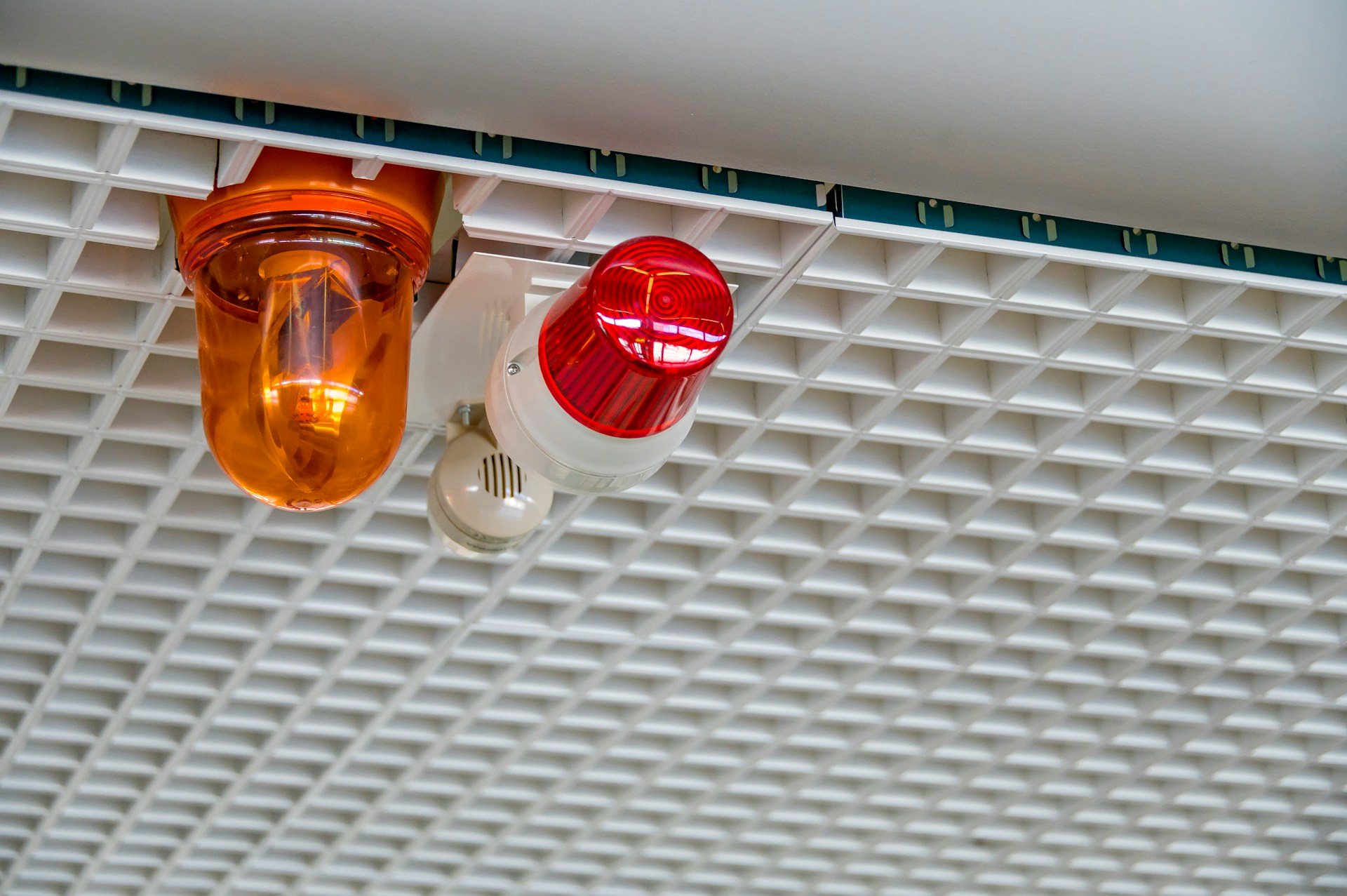
Managing tourist and medium-stay accommodation involves much more than just receiving bookings and coordinating cleaning. Guests expect a seamless experience, immediate responses, and quick solutions to any problem, regardless of the time of day. At the same time, owners and managers must deal with incidents that can arise at any moment: access problems, breakdowns, water leaks, neighbour complaints, or non-compliance with property rules.
In this context, the ability to manage emergencies 24/7 has become a key factor in maintaining guest satisfaction, protecting the accommodation's reputation, and ensuring business profitability.
The good news is that technology now allows not only for faster reaction to incidents but also for anticipating them. Thanks to automation, real-time monitoring, and data analysis, it is possible to reduce risks and optimise management even when administering dozens or hundreds of properties.
Below, we analyse the best practices for managing emergencies in short and medium-stay accommodation and the three keys that are transforming vacation rental operations.
The most frequent incidents in short and medium-stay accommodation
Although every property is different, certain problems frequently recur in the vacation rental and flexible residential sector.
Among the most common incidents are:
Guests unable to access the property.
Lost or misplaced keys.
Failures in locks or access systems.
Power outages.
Problems with internet connection.
Appliance breakdowns.
Water leaks.
Neighbour complaints about noise.
Unauthorised parties.
Non-compliance with occupancy rules.
Damage caused during the stay.
When these situations are not properly managed, they can lead to negative reviews, refund requests, unforeseen costs, and even administrative penalties.
Therefore, modern accommodation management should not only focus on solving problems but on preventing them whenever possible.
Data: the most powerful tool for reducing incidents
Most managers accumulate a large amount of information about their properties, but they do not always use it to improve operations.
Every incident generates data that can become a source of knowledge to optimise processes and prevent future problems.
Among the most valuable information is:
Time of the incident.
Type of problem.
Affected property.
Resolution time.
Associated cost.
Guest satisfaction level.
Frequency of similar incidents.
Analysing this data allows for the detection of patterns that would normally go unnoticed.
For example, if several properties experience access problems during late-night check-ins, it may be necessary to review the instructions sent to guests or modernise the entry system.
Metrics every manager should monitor
Access-related incidents
Entry problems account for a significant portion of out-of-hours emergency calls. Analysing their frequency helps identify improvement opportunities and reduce manual interventions.
Average resolution time
Knowing how long it takes the team to resolve each incident helps detect bottlenecks and improve action protocols.
Maintenance and repair costs
Recurring incidents often indicate the need to replace certain equipment or carry out preventive maintenance.
Guest reviews
Ratings are a direct source of information about the operational aspects that most affect the customer experience.
From reaction to prevention
The real advantage of data is that it allows for preventive management.
Thanks to it, it is possible to:
Schedule maintenance before breakdowns occur.
Detect properties with more incidents than usual.
Optimise operational protocols.
Reduce costs associated with emergencies.
Improve the guest experience.
When decisions are based on real information, it is much easier to maintain control even as the number of accommodations grows.
Smart monitoring: detect problems before they become emergencies
For years, managers only became aware of problems when a guest called to report them. Today, technology allows many incidents to be identified before they cause damage or conflicts.
Real-time monitoring has become a fundamental tool to protect properties, optimise operations, and maintain a positive experience for both guests and neighbours.
Noise control and party prevention
Unauthorised parties continue to be one of the main concerns for owners and managers.
In addition to potential material damage, they can lead to conflicts with neighbours, affect the accommodation's reputation, and even result in penalties.
Noise sensors allow the detection of excessive sound levels and send automatic alerts when certain limits are exceeded.
This way, the manager can intervene quickly and prevent the situation from escalating.
It is important to note that these devices do not record conversations or audio. They only monitor noise levels to respect guest privacy.
Smoking and vaping detection
More and more accommodations prohibit indoor smoking due to the costs associated with cleaning and furniture deterioration.
Air quality sensors can detect the presence of tobacco smoke or vapes and generate real-time alerts.
This technology helps to:
Reduce extraordinary cleaning costs.
Avoid persistent odours.
Protect textiles and furniture.
Ensure compliance with accommodation rules.
Provide objective evidence for potential claims.
Temperature, humidity, and air quality monitoring
Environmental problems can cause significant damage if not detected in time.
Monitoring variables such as temperature, humidity, or ventilation helps identify situations that could lead to:
Mould growth.
Material deterioration.
Discomfort for guests.
Increased energy consumption.
Access control and property activity
Access monitoring provides valuable information about property usage.
It is possible to know:
Entries and exits.
Failed access attempts.
Usage times.
Use of authorised credentials.
This improves both security and responsiveness to incidents.
The combination of sensors, smart access systems, and management platforms allows for a shift from reactive management to prevention-based management.
Scaling a vacation rental business without losing control
Many managers discover that processes that work with five apartments become inefficient when they manage twenty, fifty, or a hundred properties.
Scalability is one of the biggest challenges in the sector.
Growth is not just about acquiring more accommodations but maintaining service quality without proportionally increasing the operational workload.
The limits of manual processes
There are still managers who rely on:
Constant phone calls.
Manually sent messages.
Scattered spreadsheets.
Informal coordination among teams.
As the volume of properties increases, this model becomes unsustainable.
Errors multiply, incidents take longer to resolve, and the guest experience suffers.
Automate to gain efficiency
Automation allows more properties to be managed without proportionally increasing resources.
Tasks that can be automated include:
Guest communication
Welcome messages.
Arrival instructions.
Stay information.
Departure reminders.
Access management
Smart locks eliminate many of the problems associated with physical keys.
Guests can access using:
PIN code.
Mobile app.
NFC.
Proximity cards.
Remote control.
Furthermore, permissions can be configured to activate and deactivate automatically according to booking dates.
Operational coordination
Automation also facilitates the management of:
Cleaning.
Maintenance.
Technical reviews.
Incidents.
Guest changes.
Reduce unnecessary travel
Many incidents can be resolved remotely.
For example:
Opening a door remotely.
Creating new access codes.
Revoking permissions.
Checking activity logs.
This reduces operational costs and significantly improves response times.
Centralise all information
One of the biggest operational mistakes is working with scattered information across different tools.
Centralisation allows:
Monitoring all properties from a single platform.
Managing access remotely.
Consulting historical incidents.
Analysing performance metrics.
Making faster and more accurate decisions.
Design an effective response plan for any incident
Technology is a great ally, but it must be complemented with clear and well-defined protocols.
Every manager should have specific procedures for the most common scenarios.
Access problems
Identity verification.
Generation of alternative access options.
Remote opening when possible.
Technical breakdowns
Classification by urgency level.
Updated supplier list.
Incident escalation.
Coexistence problems
Handling noise complaints.
Action in case of unauthorised parties.
Communication with guests and neighbours.
Serious emergencies
Emergency services contacts.
Evacuation protocols.
Internal action procedures.
When the entire team knows exactly what to do, response times decrease, and the guest experience improves considerably.
How Raixer can help you manage emergencies 24 hours a day
Efficient management of tourist accommodation increasingly depends on the ability to monitor properties in real-time, automate processes, and resolve incidents without constant travel.
In this scenario, Raixer's smart access solutions help owners, professional managers, and vacation rental companies maintain control of their accommodations from anywhere, at any time.
Raixer allows for complete digitisation of access management through multiple opening methods, such as temporary PIN codes, mobile app, NFC, proximity cards, or remote control. This significantly reduces incidents related to key handover, late arrivals, or the loss of physical credentials.
Additionally, remote management allows for:
Creating and revoking access permissions in seconds.
Scheduling access according to booking dates.
Monitoring entries and exits in real-time.
Resolving access incidents without travel.
Managing multiple properties from a single platform.
Noise monitoring to prevent incidents before they occur
One of Raixer's most valuable features for the vacation rental sector is its integrated noise sensor, designed to help managers detect potential problems before they become operational emergencies.
Thanks to real-time noise level monitoring, it is possible to receive alerts when certain noise thresholds are exceeded within the property.
This functionality allows for:
Detecting unauthorised parties.
Preventing conflicts with neighbours.
Reducing the risk of penalties or complaints.
Protecting the accommodation's reputation.
Acting quickly before a situation escalates.
The sensors exclusively monitor noise levels and do not record conversations or audio content, ensuring guest privacy at all times.
The combination of smart locks and noise sensors makes Raixer an especially useful solution for those seeking more efficient, secure, and scalable management of their properties.
With a more automated, connected, and data-driven operation, it is possible to maintain control of accommodations 24 hours a day, 365 days a year.
Conclusion
Emergencies are part of the reality of any short or medium-stay accommodation. The difference lies in how they are managed.
Managers who leverage data, use real-time monitoring systems, and automate critical processes succeed in reducing incidents, protecting their properties, and offering a better guest experience.
The question is simple: if an incident occurs tonight at one of your properties, are you prepared to detect and resolve it immediately?
Because in modern vacation rentals, the ability to anticipate problems is as important as the quality of the accommodation itself.