Catalonia Tourist Tax 2024: Complete Guide for Accommodations
Discover everything about the tourist tax in Catalonia for 2024: calculation, exemptions, rates by accommodation type, and how to manage it correctly to avoid penalties. Ensure efficient management!
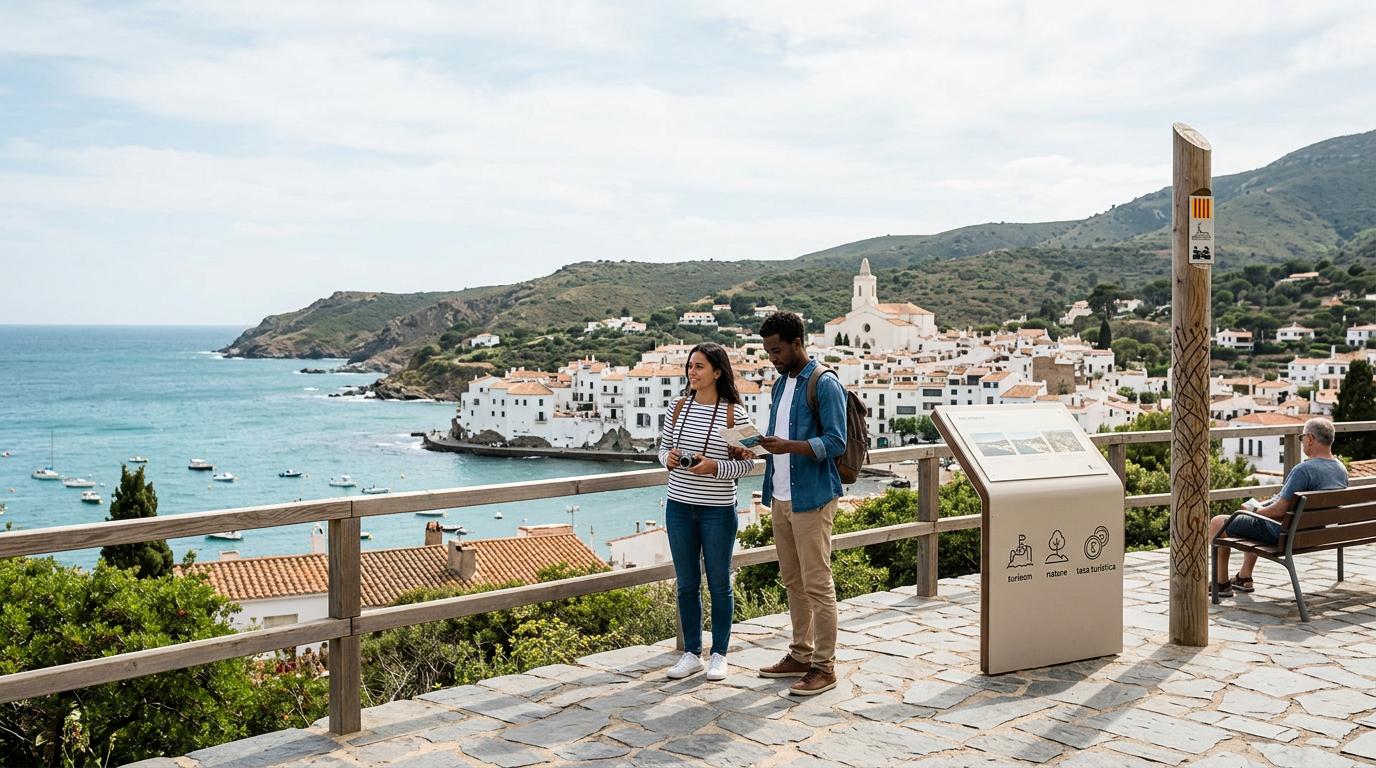
The management of tourist accommodations in Catalonia involves a series of responsibilities and obligations, and one of the most relevant is the correct application and declaration of the Catalonia tourist tax. This tax, designed to contribute to the maintenance and promotion of tourism infrastructures, as well as to the improvement of public services affected by tourism, directly affects owners and managers of tourist-use homes (VUT), hotels, campsites, and other accommodation establishments. Understanding its details, how it is calculated, and what the exemptions are, is fundamental to avoid penalties and operate legally, ensuring efficient and smooth management.
The essentials
- The tourist tax in Catalonia (IEET) is a tax levied on stays in tourist accommodations.
- Its objective is to finance infrastructure, tourist services, and the promotion of the sector.
- Rates vary by accommodation type and location, including municipal surcharges.
- Key exemptions exist for minors under 16 and other specific situations.
- Managers must collect, declare, and settle the tax with the Catalan Tax Agency (ATC).
Understanding the Catalonia Tourist Tax: Concept and Legal Framework
The tourist tax, officially known as the Tax on Stays in Tourist Establishments (IEET) in Catalonia, is a direct tax levied on the overnight stay or accommodation of people in any type of tourist accommodation. Its implementation aims to generate resources for the Generalitat de Catalunya and local councils, which are then allocated to a fund for tourism promotion. This fund finances everything from international tourism promotion and route signage, to the improvement of public services and infrastructure that support tourism activity in the region.
The legal framework of the IEET is mainly established in Law 5/2012, of March 20, on fiscal, financial, and administrative measures and the creation of the tax on stays in tourist establishments. This law has been modified and supplemented by various subsequent regulations, as well as by municipal ordinances that may establish additional surcharges. The owner or manager of the tourist accommodation is the substitute taxpayer, which means they have the legal obligation to collect the tax from their guests and, subsequently, declare and settle it with the Catalan Tax Agency (ATC). Meticulousness in this management is crucial to avoid fines, surcharges, and possible inspections.
7-Night Limit
It is important to remember that the tourist tax applies only during the first 7 consecutive nights of stay at the same establishment. From the eighth night onwards, guests are exempt from payment.
Key Exemptions and Discounts of the IEET
Although the tourist tax is generally applied, there are several situations and groups that are exempt from its payment or can benefit from discounts. Knowing them is as important as applying the correct rates to avoid undue charges or errors in the declaration:

- Minors under 16 years of age Persons under 16 years of age are exempt from paying the tourist tax. It is crucial to verify age with an identity document.
- Stays for health reasons Those persons staying due to force majeure or for health reasons, including companions in justified cases, are exempt.
- Social programs Participants in social programs funded by the Public Administration, such as Imserso, are also exempt.
- Stays longer than 7 nights As mentioned, it is only charged for the first 7 consecutive nights of stay in the same accommodation.
Impact of the Tourist Tax on Management and Smart Solutions
Managing the tourist tax is not just a fiscal procedure; it adds a layer of complexity to the daily operations of accommodations. It requires rigorous control of each guest, from their age for exemptions to the duration of their stay to apply the 7-night limit. This is where technology can transform tax management.
Automation and Efficiency with Raixer
Integrating property management systems (PMS) with Raixer's smart locks greatly facilitates the collection of guest data. Through automatic remote check-in, it is possible to request and obtain the necessary information (name, ID, date of birth, duration of stay) efficiently and prior to arrival. This information is the basis for the accurate calculation of the tourist tax.
- Accurate data Automatic collection of key guest information for legal compliance.
- Optimized calculation Integrated management software calculates the tax applying rates and exemptions.
- Error reduction Minimizes human errors in the collection and registration process, avoiding penalties.
- Detailed reports Generation of reports and reconciliation for declaration to the ATC.
- Time saving Frees up the manager from repetitive administrative tasks, focusing on the guest experience.
Raixer's smart locks, such as the Raixer Mini or the Raixer Pro, integrate with these platforms through APIs, allowing for fluid and secure communication. This not only improves the guest experience by offering autonomous, keyless access, but also provides a precise and automated database for fiscal management.
The digitization of check-in not only optimizes access control, but also becomes an indispensable tool for complying with tourist tax regulations, ensuring efficient and transparent fiscal management.
Final Considerations and the Future of Tourist Management
Tourist tax regulations are dynamic and subject to periodic revisions, both by the Generalitat and local councils. The trend is clear: towards greater digitization of declaration processes and stricter fiscal control. This reinforces the need for tourist accommodation managers in Catalonia to have tools that not only facilitate daily operations, but also ensure regulatory compliance.
Preparation for the Future
Investing in technological solutions such as intelligent access control and guest management systems is not just an efficiency improvement, but a strategy to adapt to a constantly evolving regulatory environment.
The adoption of integrated systems, where Raixer's smart locks for tourist apartments communicate with management software, allows not only to comply with tourist tax regulations, but also to optimize operations, improve security (for example, with an anti-squatter smart lock) and offer a superior guest experience. From managing arrivals and departures to collecting data for the tourist tax, automation is the key to successful and smooth management.
Ultimately, the Catalonia tourist tax is an unavoidable component of accommodation management. However, with the right tools and a clear understanding of its implications, it can be managed efficiently, turning a fiscal obligation into an opportunity for operational improvement and customer satisfaction.
Frequently Asked Questions
Is it mandatory to charge the tourist tax to all guests?
No, there are exemptions. Minors under 16 years of age are exempt, as are people staying due to force majeure or health reasons, or those participating in funded social programs. There is also a limit of 7 consecutive nights in the same establishment; after the eighth night, it is not charged.
What happens if I do not collect the tourist tax or declare it incorrectly?
Failure to comply with the obligation to collect and declare the tourist tax can result in significant financial penalties from the Catalan Tax Agency (ATC), in addition to surcharges and late payment interest corresponding to the unpaid amount. Inspections are common and can lead to serious consequences.
How should I declare the collected tourist tax?
The declaration and settlement of the Tax on Stays in Tourist Establishments (IEET) is carried out periodically (generally quarterly or semi-annually) through the virtual office of the Catalan Tax Agency (ATC), using Form 950 and following the telematic procedure established on their portal.
Can Raixer smart locks help me with the tourist tax?
Yes, by integrating with property management systems (PMS), Raixer smart locks facilitate automatic remote check-in and digital collection of guest data. This information is fundamental for correctly calculating, collecting, and recording the tourist tax, automating a large part of the process and reducing human errors.
Can local councils apply additional surcharges to the tourist tax?
Yes, some local councils in Catalonia, especially in high-tourist areas like Barcelona, have the power to establish an additional municipal surcharge on the base tourist tax set by the Generalitat. It is essential to consult the specific regulations of each municipality where the accommodation is located to determine if such a surcharge applies and what its amount is.